Educational science experiment kits turn kitchen-table curiosity into hands-on STEM learning, but the right pick depends heavily on your child’s age, your tolerance for mess, and how much repeat value you want. For most families, the National Geographic Amazing Chemistry Set is the best overall choice thanks to its 100+ genuinely varied experiments, real lab tools, and instruction manual that actually explains the science. The UNGLINGA 70 Lab Experiments kit is the strongest value play at a lower price, while the Doctor Jupiter My First Science Kit is the clear winner for preschoolers ages 4 and up. The main tradeoff in this category: bigger experiment counts often mean lots of one-and-done activities, while premium kits cost more but include durable equipment and deeper educational context. Keep reading for the full breakdown of all 11 kits.

Prime made for students and young adults
- Fast, free delivery for dorm and study essentials
- Prime Video and Amazon Music included
- Member-only deals
Key Takeaways
- Experiment count is the most misleading spec in this category — the 150-experiment UNGILINGA kit pads its number with variations, while National Geographic’s 100+ chemistry set delivers more genuinely distinct activities.
- Age labeling matters more than price: kits rated 4+ (Doctor Jupiter, Melican) rely on color-change and bubbling reactions that lose appeal fast, while 8-12 kits teach actual chemical concepts with real reagents.
- National Geographic kits consistently offered the best instruction manuals with scientific explanations, whereas budget UNGLINGA/UNGLINGA variants had shorter guides better suited to supervised play.
- The Science Magic Kit is the only pick that doubles as a performance activity — ideal for kids who resist ‘learning time’ but love showing off tricks.
- Role-play kits (the 80-experiment Scientist Role Play set) boost engagement for younger kids but add costume pieces that inflate the price relative to experiment quality.
| UNGLINGA 70 Lab Experiments Science Kit for Kids Chemistry Set |  | Best Value for Experiment Count | Brand: UNGLINGA | Age Range: 8 years and up | Number of Experiments: 70 | VIEW LATEST PRICE | See Our Full Breakdown |
| UNGINGA 40+ Experiments Science Kit for Kids Chemistry Set STEM Toy |  | Best Starter Chemistry Set | Brand: UNGINGA | Age Range: 8 years and up | Number of Experiments: 40+ | VIEW LATEST PRICE | See Our Full Breakdown |
| Jim&Gloria Science Kit for Kids, STEM Educational Chemistry Set with Volcano Experiments |  | Best for Family Co-Play | Brand: Jim&Gloria | Age Range: Kids, Boys & Girls Ages 5-12 | Educational Objective: STEM | VIEW LATEST PRICE | See Our Full Breakdown |
| Doctor Jupiter My First Science Experiments Kit for Kids Ages 4+ |  | Best for Preschoolers | Manufacturer: Metis Learning Solutions Pvt. Ltd. | Model Number: DJ Junior Science | Recommended Age: 4 years and up | VIEW LATEST PRICE | See Our Full Breakdown |
| Science Kit for Kids – 80 Experiments with Scientist Role Play |  | Best for Immersive Play | Brand: Kuovei | Model Number: MYJ886-A | Age Range: 6+ years | VIEW LATEST PRICE | See Our Full Breakdown |
| UNGLINGA 150 Experiments Science Kits for Kids – Chemistry & STEM Learning | 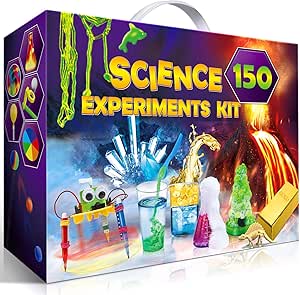 | Most Variety | Number of Experiments: 150 | Age Range: 8 years and up | Subjects Covered: Chemistry, physics, earth science | VIEW LATEST PRICE | See Our Full Breakdown |
| National Geographic Earth Science Kit with 100+ Activities for Kids 8-12 | 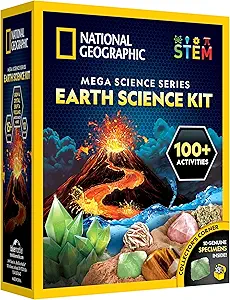 | Best for Earth Science Focus | Number of Activities: 100+ | Recommended Age: 8-12 years | Focus Area: Earth science (volcanoes, crystals, tornadoes) | VIEW LATEST PRICE | See Our Full Breakdown |
| National Geographic Science Magic Kit for Kids with 100+ Experiments and Tricks |  | Best for Reluctant Scientists | Number of Experiments: 100+ (experiments and magic tricks) | Target Audience: Kids | Includes: Magic tricks, chemistry set, STEM projects | VIEW LATEST PRICE | See Our Full Breakdown |
| National Geographic Mega Science Lab with 75 Experiments for Kids 8-12 |  | Best All-in-One Bundle | Number of Experiments: 75 | Age Range: 8 years and up | Included Components: Earth Science Kit, Chemistry Kit, Science Magic Kit | VIEW LATEST PRICE | See Our Full Breakdown |
| Melican 60+ Science Experiment Kit for Kids Ages 4 and Up |  | Best for Preschoolers | Number of Experiments: 60+ | Recommended Age: 4+ years | Includes: Materials, tools, manual, safety goggles | VIEW LATEST PRICE | See Our Full Breakdown |
| National Geographic Amazing Chemistry Set with 100+ Experiments for Kids Ages 8-12 |  | Best for Growing Scientists | Number of Experiments: 100+ | Bonus Experiments: 85 | Age Range: 8-12 years | VIEW LATEST PRICE | See Our Full Breakdown |
| educational science experiment kit | Number of Experiments | Brand | Age Range |
|---|---|---|---|
| UNGLINGA 70 Lab Experiments Sc | 70 | UNGLINGA | 8 years and up |
| UNGINGA 40+ Experiments Scienc | 40+ | UNGINGA | 8 years and up |
| Jim&Gloria Science Kit for Kid | — | Jim&Gloria | Kids, Boys & Girls Ages 5-12 |
| Doctor Jupiter My First Scienc | 100+ | — | — |
| Science Kit for Kids | 80 | Kuovei | 6+ years |
| UNGLINGA 150 Experiments Scien | 150 | — | 8 years and up |
| National Geographic Earth Scie | — | National Geographic | — |
| National Geographic Science Ma | 100+ (experiments and magic tricks) | National Geographic | — |
| National Geographic Mega Scien | 75 | Blue Marble / National Geographic | 8 years and up |
| Melican 60+ Science Experiment | 60+ | — | — |
| National Geographic Amazing Ch | 100+ | — | 8-12 years |
More Details on Our Top Picks
UNGLINGA 70 Lab Experiments Science Kit for Kids Chemistry Set
For buyers who want maximum experiment variety per dollar, this UNGLINGA set delivers 70 activities covering chemistry fundamentals like crystal growing, volcanoes, and fruit circuits. Compared with the Doctor Jupiter kit, which starts at age 4, this one skews slightly older with denser chemistry content, making it better for kids already past the “wow, bubbles!” stage. The illustrated instruction manual is a genuine strength here — clearer than the Jim&Gloria set, which is vague about experiment variety. The main tradeoff is that this is a chemistry-focused kit, so kids wanting geology or earth science should look at the National Geographic Earth Science Kit instead. Some experiments also need adult supervision, so it’s not a solo-activity solution for busy households.
Pros:- 70 experiments gives strong replay value for the price
- Illustrated, easy-to-follow instructions kids can work from semi-independently
- Genuinely chemistry-focused rather than diluted across science topics
- Safe, child-friendly ingredient choices
Cons:- Requires adult supervision for several experiments
- Chemistry-only scope — no earth science or physics variety
- Some household items must be sourced separately
Best for: Budget-conscious parents of 8-10 year olds who want a large chemistry-focused experiment library without paying National Geographic prices
Not ideal for: Families with kids under 8, since the chemistry content and supervision requirements make it frustrating for younger children
- Brand:UNGLINGA
- Age Range:8 years and up
- Number of Experiments:70
- Model Number:HZDZKH030
Our verdict“The best bang-for-buck pick for elementary-aged kids who specifically want chemistry experiments rather than a general science sampler.”
UNGINGA 40+ Experiments Science Kit for Kids Chemistry Set STEM Toy
This 40+ experiment kit works as a low-commitment entry point into home chemistry. Where the larger UNGLINGA 70-experiment set rewards kids who already know they like science, this smaller sibling lets families test the waters before investing in the 150-experiment version. The big plus is that most materials ship in the box, which the Jim&Gloria kit can’t claim as reliably — fewer last-minute grocery runs mid-experiment. The tradeoff is obvious: at roughly half the activity count of the UNGLINGA 70, an enthusiastic kid can burn through the best experiments in a couple of weekends. Compared with the Kuovei 80-experiment kit, it also lacks role-play extras like lab coats or goggles, so the presentation feels more utilitarian. It’s a solid gift option, but not one for kids with an established science habit.
Pros:- All necessary materials included for most experiments
- Child-friendly, clearly written instructions
- Affordable gateway into the UNGLINGA lineup
- Covers both chemistry and physics basics
Cons:- Needs some common household items not included
- Small experiment count relative to similarly priced rivals
- Too advanced for children under 8
Best for: Gift-givers and parents who aren’t sure whether science kits will stick and want an affordable trial run
Not ideal for: Kids who already devour experiment kits — the 40-experiment count will feel thin next to 70-100+ experiment alternatives
- Brand:UNGINGA
- Age Range:8 years and up
- Number of Experiments:40+
- Set Name:40+ experiments kit
- Manufacturer Part Number:HZDZKH52
Our verdict“A sensible first chemistry set for cautious buyers, but repeat customers should jump straight to a larger kit.”
Jim&Gloria Science Kit for Kids, STEM Educational Chemistry Set with Volcano Experiments
What separates the Jim&Gloria kit from the pack is its reusable tool set and its deliberate design around parent-child activity time. The ages 5-12 range is wider than anything else here — the Doctor Jupiter bottoms out at 4 but tops out early, while this kit bridges siblings of different ages doing the volcano experiments together. The step-by-step family guides are built for a parent reading alongside a child rather than a kid working solo, which is both its strength and its limitation. Compared with the UNGLINGA 70-experiment set, the chemistry depth is shallower, and the 4.1 rating trails the 4.6s posted by UNGLINGA and Kuovei. Vague documentation about exactly how many experiments you get makes it harder to judge value against rivals too.
Pros:- Reusable lab tools extend life beyond the included consumables
- Wide 5-12 age range works for siblings of different ages
- Designed specifically for parent-child bonding and homeschool use
- Volcano experiments reliably excite younger children
Cons:- Content too simple for kids at the top of the age range
- Limited transparency on experiment count and variety
- Some experiments require sourcing household items
Best for: Parents and grandparents who want a shared weekend activity for mixed-age siblings, especially homeschooling families
Not ideal for: Independent older kids (10+) who want to run experiments alone — the content and 4.1 rating suggest it will feel simple
- Brand:Jim&Gloria
- Age Range:Kids, Boys & Girls Ages 5-12
- Educational Objective:STEM
- Model Number:G-SCI-KIT
- Manufacturer:GIBS LLC
Our verdict“Buy this for the shared experience, not the science depth — solo learners will outgrow it fast.”
Doctor Jupiter My First Science Experiments Kit for Kids Ages 4+
Doctor Jupiter owns the youngest age bracket — starting at 4, a full year below the Kuovei kit and four years below the UNGLINGA sets. The #2 ranking in Educational Science Kits reflects how well it nails this niche: over 100 experiments built around food-safe colors, essences, and additives rather than harsher chemistry. The included hardware — real beakers, a conical flask, safety goggles, and a tray — feels closer to legitimate lab equipment than anything else in this batch, and the bonus experiment booklet stretches the content beyond the box. The tradeoff is ceiling: a 9-year-old will find the experiments babyish next to the National Geographic Amazing Chemistry Set. It’s also supervision-heavy, since preschoolers can’t run it alone. For the target age, though, nothing here matches it.
Pros:- Lowest entry age in the category with 100+ experiments
- Includes real lab equipment: beakers, conical flask, funnel, goggles
- Food-safe materials meeting U.S. safety standards
- Bonus experiment booklet extends value beyond the base kit
Cons:- Requires constant adult supervision with preschoolers
- Certain experiments still need household items
- Low age ceiling — outgrown by around age 7
Best for: Parents of 4-6 year olds who want genuinely safe, food-grade experiments and don’t mind being hands-on
Not ideal for: Kids 8 and up — the experiments are calibrated for preschoolers and will bore older siblings quickly
- Manufacturer:Metis Learning Solutions Pvt. Ltd.
- Model Number:DJ Junior Science
- Recommended Age:4 years and up
- Number of Experiments:100+
- Included Components:2 Beakers, Conical Flask, Spatula, Stirring Sticks, Spray Bottles, Funnel, Safety Goggles, Tray, Food Essences, Food Colours, Instruction Manual, Bonus Experiment Booklet
Our verdict“The clear choice for a first science kit at ages 4-6, provided a parent is willing to participate.”
Science Kit for Kids – 80 Experiments with Scientist Role Play
The Kuovei kit’s angle is theater as much as chemistry: goggles, gloves, petri dishes, test tubes, and droppers let a 6-year-old actually look and feel like a scientist while running the 80 included experiments. That role-play layer is what the UNGLINGA 40+ kit lacks entirely, and it matters enormously for kids whose motivation comes from costume and props rather than the reaction itself. At 80 experiments for ages 6+, it sits between the Doctor Jupiter (younger, food-safe) and the UNGLINGA 70 (older, deeper chemistry). The 4.6 rating matches UNGLINGA’s, suggesting the experience holds up. The compromise is that chemical materials in bottles require careful handling and storage, and the breadth-over-depth approach means some of the 80 experiments are quick demonstrations rather than substantive lessons.
Pros:- 80 experiments with a broad consumables and tools assortment
- Includes goggles and gloves for authentic, safe role play
- Engages kids who aren’t naturally drawn to science through play
Cons:- Bottled chemical materials need careful handling and secure storage
- Breadth-over-depth — some experiments are thin demonstrations
- Not suitable for children under 6
Best for: Kids aged 6-9 who respond to dress-up and props — the full safety-gear-and-test-tubes experience keeps reluctant scientists engaged
Not ideal for: Parents wanting rigorous, curriculum-style chemistry — the emphasis on visual spectacle trades away some educational depth
- Brand:Kuovei
- Model Number:MYJ886-A
- Age Range:6+ years
- Number of Experiments:80
- Included Components:Goggles, gloves, chemical materials, petri dishes, test tubes, measuring cups and spoons, droppers, balloons, effervescent tablets, pigment, and more
Our verdict“The pick for making science feel like an event, best for kids who need the costume before the curiosity kicks in.”
UNGLINGA 150 Experiments Science Kits for Kids – Chemistry & STEM Learning
For sheer volume, nothing else in this lineup comes close: 150 experiments spread across chemistry, physics, and earth science means this kit can sustain months of weekend science sessions where the National Geographic Mega Science Lab runs dry after 75 activities. The illustrated manual is genuinely kid-friendly, which matters if the goal is independent exploration rather than parent-led demonstrations. The tradeoff is breadth over polish — with that many experiments, some are quick five-minute demonstrations rather than deep investigations, and several require household items like vinegar or baking soda that aren’t in the box. Compared with the Melican kit, the age floor is higher, so younger siblings can’t join in. Still, for a family that wants maximum experiment count per dollar, this is the clear value leader.
Pros:- Huge 150-experiment library spanning three science disciplines
- Kid-safe tools and clear illustrated manual support independent play
- Strong cost-per-experiment value compared with smaller kits
- Mixes chemistry, physics, and earth science for varied learning
Cons:- Many experiments need common household items not included
- Some activities are shallow demonstrations rather than true investigations
- Adult supervision needed for several chemistry activities
Best for: Parents of kids 8+ who want a long-lasting kit that keeps busy hands occupied for months without repeating activities
Not ideal for: Families with children under 8 or those wanting an all-inclusive box — the age floor and household-item requirements make it less convenient
- Number of Experiments:150
- Age Range:8 years and up
- Subjects Covered:Chemistry, physics, earth science
- Includes:Science tools and materials
- Manual:Illustrated instructions for children
- Manufacturer:UNGLINGA
Our verdict“Buy this if experiment variety and longevity matter more than brand polish — it outlasts every other kit here.”
National Geographic Earth Science Kit with 100+ Activities for Kids 8-12
While most kits in this roundup lean heavily on chemistry, this one carves out a niche with geology and earth science — crystal growing, water tornadoes, and volcano eruptions that produce keepsakes kids can actually keep, unlike the disposable reactions in the Science Magic Kit. National Geographic’s detailed learning guide is the real differentiator: it explains the science behind each activity, turning a fun afternoon into an actual lesson. Compared with the UNGILINGA 150-experiment kit, the experiment count is lower but each activity feels more substantial and better documented. The downside is the classic Nat Geo caveat — some activities require extra materials not in the box, and a few (especially anything involving eruptions) need an adult nearby. For a child fascinated by rocks, crystals, and volcanoes, this beats the generalist kits.
Pros:- Focused earth science curriculum rarely found in generalist kits
- Educational learning guide explains the why behind each experiment
- Crystal-growing and volcano activities produce displayable results
- Trusted National Geographic brand with quality materials
Cons:- Some experiments need additional materials not included
- Adult supervision required for several activities
- Narrower subject range than multi-discipline competitors
Best for: Kids 8-12 who are specifically curious about geology, crystals, volcanoes, and weather rather than general chemistry
Not ideal for: Households wanting a chemistry-first kit — the earth science emphasis means fewer classic reactions than the UNGILINGA or Amazing Chemistry sets
- Number of Activities:100+
- Recommended Age:8-12 years
- Focus Area:Earth science (volcanoes, crystals, tornadoes)
- Includes:Experiment materials, learning guide
- Brand:National Geographic
- Supervision:Adult needed for some experiments
Our verdict“The pick for young geology fans who want crystals and volcanoes they can keep, not just fizzing reactions.”
National Geographic Science Magic Kit for Kids with 100+ Experiments and Tricks
This kit takes a different persuasion strategy than everything else here: instead of selling science directly, it disguises STEM learning as magic tricks. The performance angle makes it the strongest choice for kids who resist “educational” toys — a child who balks at the UNGILINGA chemistry set will happily learn the chemistry behind a trick if it ends with impressing the family. With 100+ experiments and tricks, the count rivals the Mega Science Lab, and the award recognition signals real quality. The honest weakness: the documentation of what’s actually inside is thin, so buyers are trusting the brand more than the spec sheet. Some tricks also lean on showmanship over substance, meaning the science content per activity can be lighter than the dedicated earth science or chemistry kits. For engagement, though, nothing else in this lineup competes.
Pros:- Magic-trick framing hooks kids who reject typical educational toys
- 100+ combined experiments and tricks offers lots of content
- Award-winning product with proven appeal
- Builds presentation confidence alongside STEM knowledge
Cons:- Limited detail on specific included experiments before purchase
- Some tricks prioritize performance over scientific depth
- Younger kids may struggle with trick execution without help
Best for: Kids who show little interest in traditional science kits but love performing, showing off, and magic tricks
Not ideal for: Buyers who want transparent, curriculum-style content — the trick format and sparse experiment details make structured learning harder
- Number of Experiments:100+ (experiments and magic tricks)
- Target Audience:Kids
- Includes:Magic tricks, chemistry set, STEM projects
- Format:Performable science tricks
- Brand:National Geographic
- Recognition:Award-winning product
Our verdict“The smartest bridge into STEM for showmanship-minded kids who think science kits sound boring.”
National Geographic Mega Science Lab with 75 Experiments for Kids 8-12
Think of this as three Nat Geo kits shrink-wrapped together — earth science, chemistry, and science magic in a single box. That bundling is its core appeal: instead of choosing between the Earth Science Kit’s crystals and the Science Magic Kit’s tricks, you get a sampler of both plus a chemistry set, which makes it the most well-rounded gift option in the roundup when you don’t know what the child already likes. The tradeoff is depth. At 75 experiments it undercuts the UNGILINGA 150-count kit on volume, and each discipline gets less coverage than buying the dedicated kit separately. Like its siblings, it needs adult supervision for some activities and household items for others. For gift-givers and indecisive families, the variety-first approach wins; for a child with a known interest, the specialized kits serve better.
Pros:- Three-in-one bundle covers earth science, chemistry, and magic
- Award-winning quality from a reputable brand with strong support
- Great gift flexibility when the child’s interests are unknown
- Clear instructions across all three included kits
Cons:- 75 experiments is fewer than cheaper single-focus competitors
- Some experiments require household items not included
- Adult supervision needed for several activities
Best for: Gift-givers and families who want broad coverage of three science disciplines without buying multiple separate kits
Not ideal for: Kids with a strong existing interest in one area, or families wanting maximum experiment count — dedicated kits beat it on both depth and volume
- Number of Experiments:75
- Age Range:8 years and up
- Included Components:Earth Science Kit, Chemistry Kit, Science Magic Kit
- Educational Objectives:Critical thinking, observation skills, STEM
- Brand:Blue Marble / National Geographic
- Model Number:NGMEGASCIKIT
- Warranty:Backed by National Geographic customer service
Our verdict“The safest one-box gift when you’re unsure which science the child will love — variety is its whole value proposition.”
Melican 60+ Science Experiment Kit for Kids Ages 4 and Up
Every other kit in this roundup starts at age 8; this one drops the floor to age 4, which makes it the only realistic option for preschool siblings who want to do “real science” alongside older kids. The experiment selection is age-tuned too — dinosaur egg digging and lava lamps rather than chemical reactions, and the box includes safety goggles and all materials, so there’s no scrambling for vinegar mid-activity like with the Nat Geo kits. The compromises are predictable: with only 60+ simple experiments, an 8- or 9-year-old will outgrow it fast, and the manual is written at a level many early readers can’t navigate alone, so expect hands-on parental involvement throughout. Compared with the UNGILINGA 150 set, it trades experiment count and complexity for accessibility. It occupies a genuinely uncrowded niche here.
Pros:- Only kit in this lineup rated for ages 4 and up
- All necessary materials plus safety goggles included in the box
- Age-appropriate activities like fossil digs and lava lamps
- Makes a reliable gift for preschool birthdays and holidays
Cons:- Kids will outgrow it within a couple of years
- Manual is hard for young children to follow without adult help
- Fewer and simpler experiments than age-8 kits
Best for: Parents of children aged 4-7 who want an inclusive, safe introduction to hands-on science before age-8 kits become appropriate
Not ideal for: Kids 8 and up — the simplified experiments will feel babyish, and the UNGILINGA or Nat Geo kits offer far more challenge
- Number of Experiments:60+
- Recommended Age:4+ years
- Includes:Materials, tools, manual, safety goggles
- Featured Activities:Volcanic eruptions, dinosaur egg digging, lava lamps
- Educational Focus:Curiosity, critical thinking, STEM
- Supervision:Adult assistance recommended
Our verdict“The right first science kit for the under-7 crowd — buy it for accessibility, not for depth.”
National Geographic Amazing Chemistry Set with 100+ Experiments for Kids Ages 8-12
Among the kits in this lineup, this option stands out for authentic lab equipment — real test tubes, beakers, and pipettes rather than the plastic toys that come with kits like the Melican 60+ Science Experiment Kit. That difference matters: kids ages 8-12 get to practice actual lab technique, measuring and transferring liquids the way real chemists do, which makes the learning stick beyond the wow factor. Compared with the UNGLINGA 70 Lab Experiments kit, the 100+ experiments here (plus 85 bonus activities using household items) give it far more longevity for a child who genuinely loves chemistry. The tradeoff is that this depth demands more from parents — younger kids in the stated range will need close supervision, and some experiments require supplying your own household materials, so it works best for families ready to participate rather than observe.
Pros:- Includes real scientific tools (test tubes, beakers, pipettes) that teach proper lab technique
- Massive experiment count with 85 bonus activities extends play well beyond the base set
- Backed by National Geographic’s well-written, educationally rigorous experiment guides
- Classic chemistry crowd-pleasers like color-changing solutions and crystal growth keep kids engaged
Cons:- Requires adult supervision for children on the younger end of the 8-12 range
- Some experiments need common household items that aren’t included in the box
- Glass-adjacent lab tools raise durability questions if the kit gets rough handling
Best for: Parents of 8-12 year olds who already show real interest in science and want a kit that teaches genuine lab skills over months of use
Not ideal for: Families looking for a drop-it-on-the-table independent activity — younger kids need active adult supervision and several experiments require household items you must supply yourself
- Number of Experiments:100+
- Bonus Experiments:85
- Age Range:8-12 years
- Included Materials:Test tubes, beakers, pipettes
- Experiment Types:Color-changing solutions, glowing test tubes, crystal growth
- Learning Focus:STEM chemistry with hands-on lab technique
- Guide:Illustrated experiment guidebook
Our verdict“This is the pick for a child whose science curiosity is more than a passing phase and whose parents will join in — the closest thing in this roundup to a real beginner’s chemistry lab.”
How We Picked
I evaluated these 11 kits against four buyer-relevant criteria. Experiment quality and variety came first: I looked at how many activities were genuinely distinct versus minor variations, whether experiments could be repeated, and whether refills or household items were needed. Instruction clarity and educational depth ranked equally high — a kit that shows a fizzing volcano but never explains why it fizzes is a toy, not a learning tool. I favored manuals that explain the underlying chemistry or earth science in kid-friendly language.
I also weighed safety and age appropriateness, since a brilliant chemistry set means nothing if it frustrates a 5-year-old or bores an 11-year-old, and value for money, which includes equipment durability, included tools like test tubes and goggles, and cost per repeatable experiment. Kits ranked higher when their experiment count matched reality and lower when marketing inflated the numbers. Brand track record for replacement parts and customer service — an area where National Geographic stood out — broke ties.
| educational science experiment kit | Brand |
|---|---|
| UNGLINGA 70 Lab Experiments Sc | UNGLINGA |
| UNGINGA 40+ Experiments Scienc | UNGINGA |
| Jim&Gloria Science Kit for Kid | Jim&Gloria |
| Doctor Jupiter My First Scienc | — |
| Science Kit for Kids | Kuovei |
| UNGLINGA 150 Experiments Scien | — |
| National Geographic Earth Scie | National Geographic |
| National Geographic Science Ma | National Geographic |
| National Geographic Mega Scien | Blue Marble / National Geographic |
| Melican 60+ Science Experiment | — |
| National Geographic Amazing Ch | — |
Factors to Consider When Choosing Educational Science Experiment Kits
Beyond the specific kits above, a few category-wide patterns and mistakes are worth understanding before you spend anything on an educational science kit.Experiment Count vs. Actual Value
The most common mistake buyers make is chasing the biggest number on the box. A 150-experiment kit that counts ‘do the same volcano with red dye’ and ‘do it with blue dye’ as two experiments delivers far less than a 75-experiment kit with distinct activities. Look at product descriptions and reviews for phrases like ‘variations’ — that is usually a signal of padding. A better rule of thumb: a well-designed kit offers 20-40 minutes of engagement per distinct experiment, including setup and cleanup. Also check whether experiments are repeatable. Kits built around chemical reactions that consume reagents are one-and-done, while earth science kits with reusable tools (dig bricks, rock collections, volcano molds) can be revisited or passed to siblings. If you have multiple children, repeatable equipment matters more than experiment count.
Age Matching Is the Biggest Success Factor
Almost every disappointing science kit purchase traces back to age mismatch, not kit quality. Kids aged 4-6 need immediate, dramatic results — color changes, bubbles, fizzing — with minimal steps, which is why kits like Doctor Jupiter and Melican design their activities around instant gratification. Kids 8-12 can handle multi-step procedures, measurement, and waiting, which unlocks the more educational kits with real lab technique. Buying ‘up’ in age rarely works as an investment: an advanced kit frustrates a younger child and often gets abandoned after one supervised session. Buying slightly ‘down’ works better, since an older child will still enjoy the spectacle even if the science is beneath them. Also check whether adult supervision is genuinely optional — many chemistry sets marketed to 8-year-olds still expect an adult to handle certain reagents.
Instruction Quality Separates Learning from Entertainment
The single biggest difference between cheap and premium kits is not the chemicals — it is the manual. Budget kits typically include a folded sheet or thin booklet with steps and a one-line result description. Premium kits include illustrated manuals that explain what is happening scientifically, suggest variations, and sometimes connect experiments to real-world applications. This matters because the educational payoff comes from the conversation the kit sparks, not the reaction itself. Before buying, check whether the manual explains the ‘why’ behind experiments or only the ‘how.’ Kits that name real scientific concepts (acids and bases, density, chemical reactions) tend to hold a child’s interest longer because kids start predicting outcomes rather than just watching them. If your goal is genuine STEM learning rather than a rainy-afternoon distraction, instruction depth should weigh more heavily than experiment count.
Hidden Costs: Refills and Household Supplies
Many kits quietly depend on household items — vinegar, baking soda, dish soap, food coloring — that are not in the box, and a few burn through included reagents in two or three sessions with no refill path. Read the materials list carefully before purchasing, and budget for the fact that chemistry kits are consumable products while earth science and physics kits are not. National Geographic sells refill packs for several of its kits, which extends value considerably. Also consider goggles, stands, and test tubes: kits that include durable equipment keep paying off even after the chemicals run out, because kids can use the gear with household supplies indefinitely. A $30 kit with reusable tools often beats a $20 kit that is empty after a weekend.
Mess Factor and Where the Kit Gets Used
Be honest about your tolerance for mess before choosing. Volcano kits and fizzy chemistry generate foam, dye stains, and splatter that belongs outdoors or on a covered table with old clothes. Some parents love this as part of the experience; others regret it. Earth science kits (dig bricks, crystal growing) are slower and tidier but generate dust and require days of patience. Magic-themed kits land in between — dramatic results with relatively controlled setups. If you live in an apartment or plan to use the kit at a kitchen table without supervision time, prioritize low-mess options. If you have a yard, garage, or patio, the messier chemistry kits deliver the biggest wow-per-dollar, and cleanup becomes a teachable habit rather than a burden.
When to Pay More for a Premium Kit
Premium kits (typically $35-50) justify the price in three situations. First, when the kit includes real lab equipment — test tubes, racks, measuring tools, safety goggles — that outlives the experiments. Second, when the child has shown sustained interest in science and will actually work through 75-100 activities rather than abandoning the kit after three. Third, when you want a gift with longevity; a premium kit with a hardcase-style organization and quality manual survives being pulled out repeatedly over a year. If any of those do not apply — the child is very young, the interest is untested, or you want a single weekend activity — a $20-25 budget kit from UNGLINGA or Jim&Gloria will deliver 80% of the fun. The premium tier is an investment in a sustained hobby, not a better one-time experience.
Frequently Asked Questions
Are science experiment kits safe for kids to use without adult supervision?
It depends entirely on the kit and the child’s age. Kits designed for ages 4+ — like the Doctor Jupiter and Melican sets — use food-safe, non-toxic materials and mostly need an adult for setup and reading instructions rather than safety. Kits for ages 8-12, especially chemistry sets with real reagents, generally expect an adult present for at least the first run of each experiment, and some specify adult handling for specific chemicals. Goggles should be treated as mandatory for any fizzing or reaction-based activity regardless of age. A practical rule: children under 8 should always be supervised, and kids 8-12 can work independently only after you have reviewed the experiment together once. Check the box for ASTM or safety certifications, and never let young siblings access kits rated for older kids, since small parts and powders pose choking and ingestion risks.
What happens when the experiments run out — can kits be refilled?
This varies a lot by brand and is worth checking before purchase. National Geographic stands out here: several of its kits have official refill packs or are built around household materials (vinegar, baking soda) so experiments can be repeated cheaply. UNGLINGA and similar budget brands generally do not sell refills, but most of their experiments are designed around common kitchen ingredients, so the included powders are often the only consumable limit. Earth science kits like dig bricks and crystal growing are effectively single-use by nature — once the brick is excavated, the activity is done, though the specimens themselves remain collectible. The best long-term value comes from kits that include durable equipment like test tubes, stands, and goggles, because your child can keep experimenting with household supplies long after the packaged chemicals are gone. Factor roughly $5-15 in refill or replacement supplies into the true cost of a chemistry kit.
Should I buy one big 100+ experiment kit or several smaller kits?
One big kit usually wins on value per experiment, but several smaller kits often win on engagement. Large kits like the National Geographic chemistry set keep everything organized in one place and provide a consistent manual that builds concepts progressively, which suits kids who like to work systematically. The risk with mega kits is experiment fatigue — many children sample 15-20 activities and never touch the rest, so a 150-experiment kit can end up delivering the same real usage as a 40-experiment one. Smaller kits spread across different disciplines (one chemistry, one earth science, one magic) work better for kids with short attention spans or as gifts spread over occasions, since novelty resets each time. My suggestion: for a child with demonstrated science interest, buy the big kit. For an untested interest, start with a mid-size kit under $30 and scale up only if it gets used.
Which type of science kit is best for a child who says science is boring?
For a reluctant learner, spectacle beats substance on the first purchase — and the National Geographic Science Magic Kit is built exactly for this scenario. It frames 100+ experiments as magic tricks to perform for family, which shifts the motivation from ‘learning’ to ‘showing off,’ with the science explanation arriving as a bonus. Role-play kits like the 80-experiment scientist set work similarly for younger kids, because the lab coat and costume create a game around the activity. Avoid starting with slow-payoff kits like crystal growing or earth science dig bricks for this personality type; they require patience a resistant child will not give. The strategy is to hook them with dramatic reactions first, then graduate to concept-driven kits once curiosity exists. Volcano kits are the classic gateway for a reason — the eruption is loud, messy, and impossible to shrug at.
Are these kits actually educational or just toys?
Honestly, most sit somewhere in between, and the manual determines which side a kit falls on. A fizzy reaction with no explanation is pure entertainment; the same reaction with a paragraph about acid-base chemistry is a lesson. In this comparison, National Geographic kits consistently delivered the strongest educational framing, with explanations of what is happening and why, while the budget brands tended toward brief instructions that produce the effect but skip the science. Parents can close this gap themselves by asking kids prediction questions (‘what do you think will happen if we double the vinegar?’) — that single habit converts almost any kit into genuine inquiry-based learning. For school-age children, look for kits that name actual concepts on the box, since that vocabulary gets reinforced in classroom science later. For preschoolers, do not worry much about formal education; at ages 4-6, exposure to cause-and-effect and the habit of asking ‘why’ is the real learning outcome.
Conclusion
The right pick here depends less on which kit is objectively best and more on who is opening the box. For most families, the National Geographic Amazing Chemistry Set is the best overall choice — it balances genuine educational depth, real equipment, repeatable value, and an age range (8-12) where kids can work semi-independently. The UNGLINGA 70 Lab Experiments kit takes best value, delivering the most distinct experiments per dollar for budget-conscious buyers, with its 40+ sibling as an even cheaper option for testing the waters.
For beginners and young scientists, the Doctor Jupiter My First Science Kit is the clear pick — its age-4+ design means instant, dramatic results with zero frustration, and the Melican 60+ kit is a solid alternative. On the premium end, the National Geographic Mega Science Lab justifies its higher price with breadth across disciplines and the brand’s refill ecosystem. For specific needs: the Science Magic Kit is the answer for science-resistant kids, the Earth Science Kit suits tidy households and patient kids who prefer geology over chemistry, and the Scientist Role Play set maximizes engagement for younger children who learn through imagination. Whatever you choose, budget for refills, protect your table, and let the mess happen — that is where the learning lives.
Evergreen bestsellers Picks
bestsellers
As an affiliate, we earn on qualifying purchases.