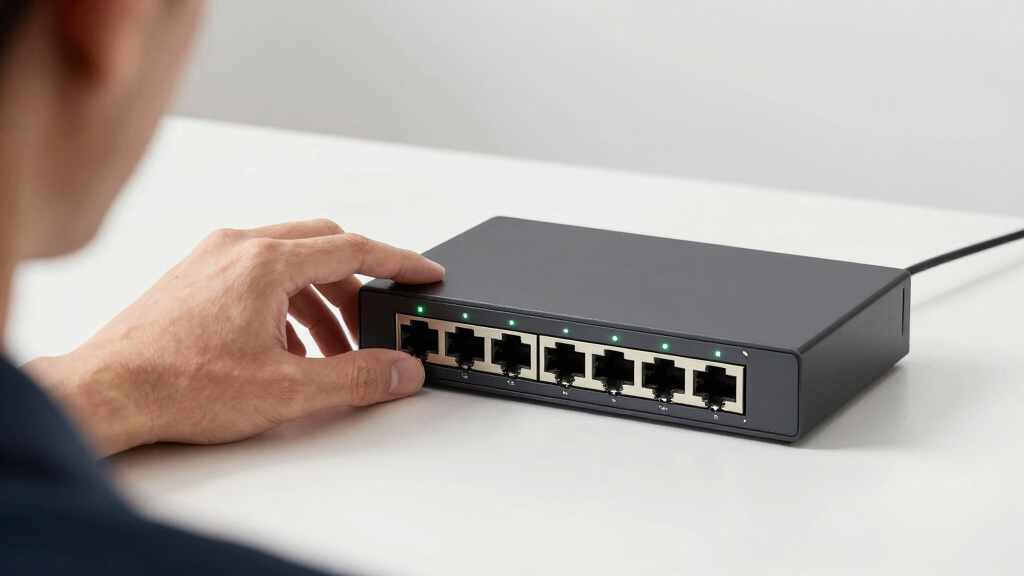

Finding the best managed switch with PoE depends on your network size, power budget, and management needs. The TP-Link SG2452LP stands out as the overall best, offering a solid mix of port density and PoE budget. For smaller setups, the NETGEAR GS308EP offers simplicity and value, while the TP-Link TL-SG1428PE delivers higher power capacity for demanding devices. The main tradeoffs involve balancing port count, power budget, and management features—more ports and power mean higher cost, but less scalability can limit future expansion. Keep reading for a detailed breakdown to identify which switch aligns best with your specific requirements.
Key Takeaways
- High port count switches like the TP-Link SG2452LP excel in larger networks but come with higher costs and complexity.
- Power budgets vary significantly; choose a switch with enough PoE capacity to support all your devices without overpaying.
- Managed features such as VLAN, LAG, and QoS are standard among premium options but may be overkill for small setups.
- Fanless designs are common in lower-power switches, offering silent operation but potentially limiting cooling for sustained workloads.
- Warranty and support, like TP-Link’s 5-year coverage, add value and peace of mind for long-term deployments.


More Details on Our Top Picks
TP-Link 24 Port PoE Gigabit Switch (SG2428LP) | 16 PoE+ Ports, 8 Non-PoE, 4 SFP | 150W Budget | Managed, Fanless, VLAN, ZTP, LAG, Security | 5-Year Warranty
The TP-Link SG2428LP stands out for its balance of features and affordability, making it ideal for small to medium-sized setups. Compared with the NETGEAR GS308EPP, it offers more ports and a higher PoE budget, supporting more devices simultaneously. The fanless design ensures silent operation, perfect for office environments, while centralized cloud management simplifies control. However, its 150W PoE budget limits powering high-power devices, and the setup can be daunting for beginners unfamiliar with managed switches. It lacks built-in Wi-Fi, but for users prioritizing security, VLAN, and PoE flexibility, this model delivers reliable performance.
Pros:- Silent fanless operation ideal for noise-sensitive environments
- Supports cloud management for easy control
- Rich security features including 802.1X and ACL
- Flexible connectivity with SFP slots and PoE+ ports
Cons:- Limited to a 150W PoE budget, restricting high-power device support
- Setup complexity may challenge users unfamiliar with managed switches
Best for: Small to medium-sized businesses needing centralized management and security features
Not ideal for: Large enterprise data centers requiring high-speed backbone connections or high PoE budgets
- Number of Ports:28
- PoE Ports:16 PoE+
- Non-PoE Ports:8
- SFP Ports:4
- PoE Budget:150W
- Switching Capacity:56 Gbps
- Management:Omada Cloud, web GUI, CLI, SNMP
- Security Features:802.1X, ACL
- Design:Fanless, metal casing
Bottom line: This switch suits small to medium networks requiring balanced PoE capacity with centralized management.
NETGEAR 8-Port PoE Gigabit Ethernet Smart Managed Switch (GS308EPP)
The NETGEAR GS308EPP offers straightforward management and a compact design, making it perfect for small offices or home setups. Unlike the larger TP-Link SG2428LP, it provides only 8 ports but supports PoE+ with a 123W budget, enough for VoIP phones and a few cameras. Its simple web interface and silent operation make it user-friendly, especially for those new to managed switches. However, it’s limited in management features compared to the TP-Link SG2452LP, and its 8-port capacity may fall short for expanding networks. Still, for users prioritizing ease of use and reliable PoE power in a small footprint, this switch hits the mark.
Pros:- Simple, intuitive management interface
- Supports PoE+ for powering devices
- Silent operation suitable for quiet environments
- Compact size with versatile mounting options
Cons:- Limited to 8 ports, restricting scalability
- Few advanced management features compared to larger switches
Best for: Small office environments or home users seeking easy management and PoE power
Not ideal for: Growing networks needing more ports or advanced security features
- Number of Ports:8
- PoE+ Ports:8
- Total Power Budget:123W
- Management Software:Easy Smart Managed
- Mounting Options:Desktop or Wall Mount
- Warranty:3-year limited
Bottom line: Ideal for small setups where ease of use and basic PoE support are priorities.
TP-Link 48 Port PoE Gigabit Switch (SG2452LP) | 32 PoE+ Ports, 16 Non-PoE Ports, 4 SFP Ports | 230W Budget | Fully Managed | Fanless | VLAN, ZTP, LAG, PoE Recovery | 5-Year Warranty
The TP-Link SG2452LP excels in large network deployments, offering 48 ports with a substantial 230W PoE budget. Its extensive port count and security features like VLAN, ACL, and DoS protection make it suitable for enterprise environments. Unlike smaller switches such as the NETGEAR GS316EP, it provides remote management via Omada Cloud, enabling centralized control across multiple devices. The fanless design ensures quiet operation even in busy office settings. The primary tradeoff involves the complex setup process, which may require technical expertise. For organizations needing high port density and advanced management, this switch provides a robust foundation.
Pros:- Supports advanced network management via Omada Cloud
- High PoE power budget for multiple high-power devices
- Fanless, quiet operation for office environments
- Strong security with multiple protections
Cons:- Complex setup may challenge less experienced users
- Limited to gigabit speeds, not suitable for high-speed data centers
Best for: Mid-sized to large offices needing extensive PoE support and centralized control
Not ideal for: Small offices or home users with minimal networking needs
- Ports:48 (32 PoE+ and 16 non-PoE)
- PoE Power Budget:230W
- Management:Omada Cloud, web GUI, CLI, SNMP
- Cooling:Fanless
- Security Features:802.1X, ACL, DHCP snooping
- VLAN Support:802.1Q VLAN, port isolation
- Warranty:5 years
Bottom line: Best suited for organizations requiring extensive PoE coverage and centralized management in larger networks.
TP-Link TL-SG1428PE 24 Port Gigabit PoE+ Switch – Managed, 250W, 2 SFP Slots
The TP-Link TL-SG1428PE offers a generous 250W PoE budget across 24 ports, making it suitable for expanding small networks. Its manageable web interface simplifies setup, and support for VLAN enhances network security. Unlike the smaller NETGEAR GS308EPP, it provides more ports and higher power capacity, ideal for businesses adding new PoE devices. The auto PoE recovery feature minimizes manual resets, but configuring this feature requires some technical knowledge. Its 2 SFP slots allow fiber connectivity for future scalability. This switch balances capacity and ease of use, though it lacks advanced management features found in larger enterprise models.
Pros:- High PoE power budget of 250W across 24 ports
- Supports VLAN for security and network segmentation
- Automatic PoE device recovery reduces manual intervention
- Easy web-based setup
Cons:- Requires configuration for PoE auto recovery
- Limited advanced management features
Best for: Growing small businesses needing more PoE ports and higher power capacity
Not ideal for: Large enterprises requiring extensive management and security features
- Number of Ports:24 PoE+
- PoE Power Budget:250W
- Management:Web-based
- SFP Slots:2
- VLAN Support:Yes
- Warranty:3 years
Bottom line: Great for small but expanding networks that need more PoE capacity without complex enterprise features.
NETGEAR 8 Port PoE Gigabit Ethernet Smart Managed Plus Switch (GS308EP)
The NETGEAR GS308EP provides essential PoE management in a compact form, best suited for small networks with limited device needs. While it offers only 8 ports and a modest 62W PoE budget, it supports PoE+ for powering VoIP phones, cameras, and access points. Its simple management interface is straightforward for users unfamiliar with advanced networking, making it a good choice for basic deployments. Compared to the TP-Link TL-SG1428PE, it’s less scalable but more budget-friendly. The limited power budget may restrict future expansion, so users should assess their device requirements carefully.
Pros:- Easy setup with simple management interface
- Supports PoE+ for multiple devices
- Versatile mounting options for desktop and wall
- Reliable 3-year hardware warranty
Cons:- Limited PoE power budget of 62W
- Few advanced management features
Best for: Small deployments with minimal PoE device needs and basic management
Not ideal for: Growing networks or those with high PoE power demands
- Number of Ports:8
- PoE+ Ports:8
- PoE Power Budget:62W
- Data Transfer Rate:16 Gbps
- Interface:RJ45
- Mounting Options:Desktop or Wall Mount
Bottom line: Best for small networks needing basic PoE management without high power requirements.
TP-Link TL-SG108PE V3 8-Port Gigabit PoE Switch, Managed, 4 PoE+ Ports, 64W Budget, Fanless, VLAN, QoS
The TP-Link TL-SG108PE V3 stands out for its affordability and straightforward management, making it ideal for small setups that need reliable PoE support. Compared with larger switches like the NETGEAR GS316EP, it offers fewer ports and a smaller power budget, but at a lower price point, it suits users with limited PoE device needs. Its fanless design ensures silent operation, perfect for quiet environments. However, with only 64W total power and 4 PoE+ ports, it’s less suitable for expanding high-power device networks or larger deployments. The web management interface is simple but may lack advanced features for complex configurations. This makes it a solid choice for small offices or home networks seeking a budget-friendly, quiet switch with essential features.
Pros:- Easy plug-and-play setup makes deployment quick and simple
- Supports high-power PoE+ devices up to 30W per port
- Fanless design ensures silent operation and low noise
Cons:- Limited to a 64W total PoE power budget, restricting device support
- Basic management interface may not suffice for complex network configurations
Best for: Small office or home networks needing a reliable, affordable PoE switch with basic management.
Not ideal for: Large enterprise setups or networks with many high-power PoE devices, due to limited power budget and ports.
- Number of Ports:8
- PoE Ports:4 PoE+ ports
- PoE Power Budget:64W
- PoE Power per Port:Up to 30W
- Management:Web-based, smart configuration utility
- VLAN Support:Yes
Bottom line: This switch works best for small-scale deployments where budget, quiet operation, and basic management are priorities.
TP-Link TL-SG1016PE 16-Port Gigabit PoE Switch, 8 PoE+ Ports @150W, Managed, Plug & Play
The TP-Link TL-SG1016PE makes sense for growing networks that need more ports and decent PoE power, especially when compared to the smaller TP-Link TL-SG108PE V3. It offers double the number of ports and a higher total PoE budget of 150W, supporting more devices like additional IP cameras or VoIP phones. Its plug-and-play setup simplifies installation, but the increased power capacity still limits support for many high-power devices simultaneously, especially if multiple ports draw maximum wattage. Lacking a fanless design, it might produce some noise under load, and advanced management features are somewhat limited for more intricate network needs. This switch suits small to medium-sized businesses looking for straightforward expansion with reliable PoE management.
Pros:- Easy setup with plug-and-play design simplifies deployment
- Supports PoE+ on 8 ports, ideal for multiple PoE devices
- Higher total PoE power budget (150W) supports more devices
Cons:- Limited PoE budget restricts support for many high-power devices at once
- No silent or fanless operation, potential for noise under load
Best for: Growing small to medium-sized business networks requiring more ports and higher PoE capacity.
Not ideal for: Environments needing silent operation or advanced network management beyond basic VLAN and QoS features.
- Number of Ports:16
- PoE Ports:8 PoE+ ports
- PoE Power Budget:150W
- Speed:Gigabit Ethernet (10/100/1000 Mbps)
- Management:Smart Managed
- Warranty:3 years
Bottom line: This switch is well-suited for expanding networks that need more ports and moderate PoE power capacity without complex management requirements.
NETGEAR 16-Port PoE Gigabit Ethernet Easy Smart Managed Switch (GS316EP)
The NETGEAR GS316EP offers a compelling mix of high PoE capacity and ease of use, making it stand out especially when compared with the TP-Link TL-SG1016PE. With 15 PoE+ ports supporting a total 180W budget, it can power more high-demand devices simultaneously, such as multiple security cameras or VoIP systems. Its easy smart management software provides essential control without overwhelming complexity, and the silent operation makes it suitable for noise-sensitive environments. However, it lacks some advanced features found in fully managed switches, and it’s only designed for U.S. and Canadian markets, which may limit international buyers. Its flexible mounting options add convenience for various deployment scenarios. This switch is ideal for small businesses seeking a balance between power and simplicity.
Pros:- Supports 15 PoE+ ports with a substantial 180W power budget
- Easy-to-use management interface simplifies setup and control
- Silent operation and flexible mounting options suit various environments
Cons:- Limited to U.S. and Canada, restricting international use
- Lacks advanced features needed for complex network management
Best for: Small business environments requiring a high PoE power budget and straightforward management for multiple devices.
Not ideal for: Large enterprise networks or users needing advanced management features beyond basic control.
- Number of Ports:16
- PoE+ Ports:15
- PoE Power Budget:180W
- Uplink Port:1 x 1G SFP
- Management Software:Easy Smart Managed
- Warranty:3-year limited hardware
Bottom line: This switch provides a strong combination of PoE capacity and user-friendly management for small business deployments with high PoE demands.
How We Picked
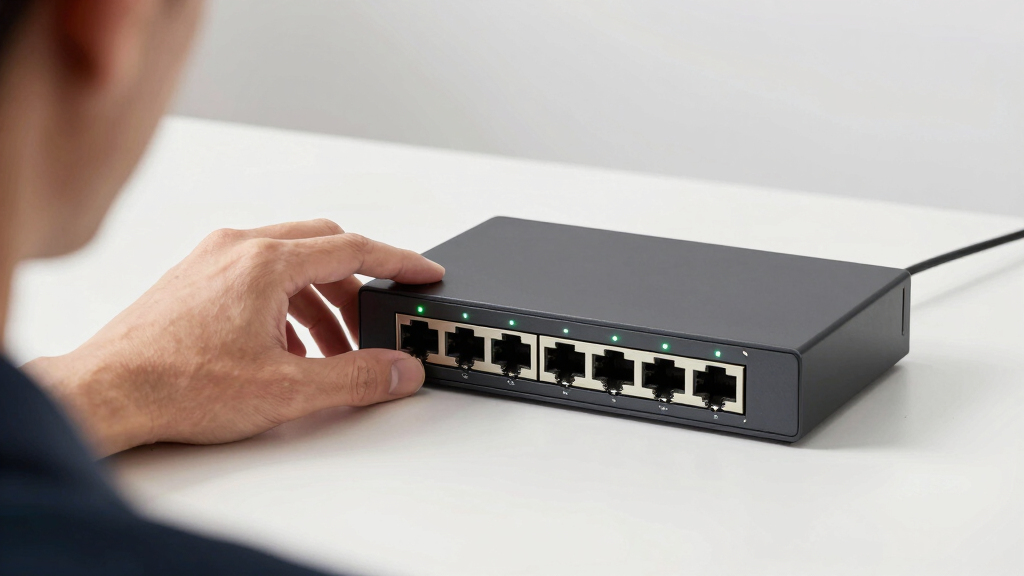
These products were evaluated based on a combination of technical specifications, usability, build quality, and value. Port count and PoE power budget were primary considerations, ensuring each switch could handle different network sizes and device demands. Management features like VLAN, QoS, and security options were also assessed for their ease of use and effectiveness. We prioritized switches that balance performance with affordability, favoring models with reliable warranties and positive user feedback. The ranking reflects a mix of features, scalability, and overall value for various types of users, from small business owners to larger organizations.Factors to Consider When Choosing Best Managed Switch With PoE
Choosing the best managed switch with PoE involves understanding your current network needs and future growth plans. Several key factors influence the right choice, including port count, power budget, management features, and build quality. Carefully weighing these factors can prevent overspending on features you don’t need or ending up with insufficient power or ports as your network expands. This guide highlights the most important considerations to help you make an informed decision that balances performance and budget.Port Count and Network Size
Before selecting a switch, assess how many devices you plan to connect now and in the near future. Larger networks require switches with more ports to avoid bottlenecks and reduce the need for frequent upgrades. Over-provisioning can be costly upfront but offers more room for expansion, while under-provisioning might force you to replace switches sooner. Consider your growth trajectory and pick a switch that comfortably supports your maximum expected device count.
PoE Power Budget
The PoE power budget determines how much power the switch can supply to connected devices like IP cameras, phones, or access points. A higher budget supports more devices or more power-hungry gear, but often comes at a higher price. It’s important to calculate your total power needs rather than just counting ports. Overestimating can lead to overspending, but underestimating may cause device failures or require a switch upgrade later.
Management Features
Managed switches offer advanced features such as VLAN segmentation, QoS for traffic prioritization, and security controls. These features are critical for networks with complex traffic patterns or security requirements. On the other hand, unmanaged switches are simpler and more affordable but lack these capabilities. Determine whether your network complexity warrants managed features or if a basic switch will suffice, especially considering ease of use versus control.
Build Quality and Cooling
For continuous operation, especially in demanding environments, build quality and cooling are important. Fanless designs reduce noise and are suitable for office or retail settings, but may run hotter under heavy loads. Active cooling models can handle sustained workloads better but may produce noise. Consider your environment and choose a switch with appropriate thermal management to ensure longevity and reliability.
Warranty and Support
Long-term support can save headaches down the line. Many brands offer warranties ranging from 3 to 5 years, with some including advanced support options. Reliable support ensures quick resolution of issues and access to firmware updates, which can be critical in business environments. Investing in a switch with a solid warranty often provides peace of mind, especially for deployments where downtime is costly.
Frequently Asked Questions
How do I determine the right PoE budget for my network?
Start by listing all devices that will receive power from the switch and check their individual power requirements. Sum these values to find your total needed PoE budget. It’s wise to add a buffer of 10-20% to accommodate future devices or unexpected power spikes. Selecting a switch with a higher budget than your current needs ensures you won’t need to replace it prematurely as your network grows or more devices are added.
Can I upgrade a switch’s PoE capacity later?
Typically, PoE capacity is fixed to the hardware design of the switch and cannot be upgraded after purchase. If you anticipate future growth, choosing a switch with a higher PoE budget now is a safer route. Alternatively, some larger switches support stacking or modular power supplies, but these solutions are more complex and costly. Planning ahead helps avoid the need for a disruptive upgrade in the future.
Is a managed switch worth the extra cost for small networks?
Managed switches provide features like VLAN, QoS, and security controls that can improve network performance and security, even in small setups. If you need basic traffic segmentation or plan to expand later, investing in a managed switch now makes sense. However, for very simple or temporary networks, unmanaged switches might suffice and save money. Consider your current needs versus future plans to determine if the added management features justify the cost.
What’s the benefit of fanless switches, and when should I avoid them?
Fanless switches operate silently, making them ideal for noise-sensitive environments like offices or retail spaces. They also tend to be more energy-efficient. However, in environments with high ambient temperatures or continuous heavy workloads, fanless switches may overheat, risking hardware failure or reduced lifespan. If your network demands sustained data throughput or operates in a hot environment, opting for a switch with active cooling can provide more reliability.
How important is warranty coverage when choosing a managed PoE switch?
Warranty coverage safeguards your investment by covering hardware defects and providing support during the product’s lifespan. A longer warranty, such as five years, often indicates confidence from the manufacturer and can reduce replacement costs if issues arise. For business-critical networks, solid warranty support ensures minimal downtime and quicker resolutions, making it a key factor in the decision process.