
TL;DR
The Goes-19 weather satellite has entered Safe Hold mode, according to NASA and NOAA officials. The event raises questions about its operational status and impact on weather monitoring.
The Goes-19 weather satellite has entered Safe Hold mode, according to officials from NASA and NOAA. This development raises concerns about the satellite’s ability to continue providing critical weather data and forecasts. The event is significant due to Goes-19’s role in monitoring severe weather patterns across North America and beyond.
Goes-19, part of the Geostationary Operational Environmental Satellite system, was reported to have entered Safe Hold mode earlier this week. NASA and NOAA confirmed the status through official statements, noting that the satellite is currently not transmitting data as usual. The cause of the mode change has not been publicly disclosed, and investigations are underway to determine whether it was triggered by a technical fault or other factors.
Satellite operators have indicated that the satellite’s onboard systems are in a protective state designed to prevent further damage. No immediate impact on weather forecasting has been publicly confirmed, but experts warn that any prolonged outage could affect real-time weather monitoring and disaster response capabilities.
Implications for Weather Monitoring and Forecasting
The entry of Goes-19 into Safe Hold mode could temporarily disrupt weather data collection, especially in regions relying heavily on geostationary satellite imagery for severe weather alerts. Given the satellite’s importance in tracking hurricanes, storms, and other extreme weather, its status is closely monitored by meteorologists and emergency responders. The incident underscores the vulnerability of space-based infrastructure critical to public safety and climate monitoring.

Nooelec GOES Weather Satellite Mesh Antenna – 21dBi Parabolic Antenna w/ 1.7GHz Center Frequency, 200MHz+ Bandwidth, LMR400 Feed Cable with Male SMA Connector, Mounting Hardware, & 2 Year Warranty
- High-Gain Parabolic Antenna: 21dBi for detailed satellite images
- Wide Bandwidth Compatibility: 200MHz+ for various satellite signals
- Center Frequency: 1.7GHz for weather satellite reception
As an affiliate, we earn on qualifying purchases.
As an affiliate, we earn on qualifying purchases.
Goes-19’s Role and Recent Operational History
Goes-19 was launched in 2019 as part of NOAA’s satellite fleet, designed to provide high-resolution imagery and data for weather prediction, climate monitoring, and disaster management. It has been a key asset in tracking hurricanes and severe storms during the 2023 hurricane season. Prior to this event, the satellite experienced no major technical issues and was considered operationally reliable.
The satellite’s Safe Hold mode is a common protective measure, often triggered by anomalies or system errors, but the specific cause in this case remains undisclosed. The incident follows a series of recent satellite anomalies in the broader space weather monitoring network, though no official link has been established.
“While the situation is being addressed, we are working to understand the potential impact on weather data collection and forecasting capabilities.”
— NOAA official
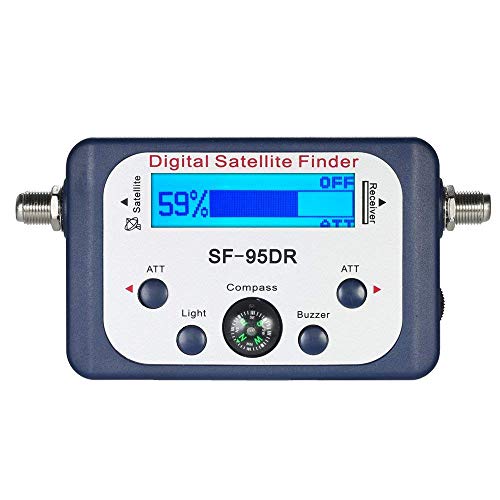
AGPtek Digital Satellite Finder for Dish DirectTV FTA, Signal Meter
- High-Quality Construction: Professional design with compass for quick tuning
- Reduced Signal Loss: Built-in amplifier compensates insertion loss
- Easy Satellite Tracking: Connects to LNB and receiver for clear signals
As an affiliate, we earn on qualifying purchases.
As an affiliate, we earn on qualifying purchases.
Unconfirmed Details About the Cause of Safe Hold Mode
It is not yet clear what triggered Goes-19’s Safe Hold mode. Officials have not disclosed whether the event was caused by a technical fault, software anomaly, or external factors such as space weather. The duration of the Safe Hold status and the potential for recovery remain uncertain.
As an affiliate, we earn on qualifying purchases.
Next Steps in Satellite Diagnostics and Monitoring
NASA and NOAA are conducting detailed diagnostics to identify the root cause of the Safe Hold activation. Updates are expected as investigations progress, with the possibility of restoring the satellite to normal operation or replacing it if necessary. Space agency officials have emphasized the importance of maintaining satellite health for continued weather monitoring.

GT Media V8 Finder2 Satellite Finder Digital FTA DVB-S/S2/S2X Signal Measuring Meter Detector Receiver LCD Screen for Adjusting Sat TV Dish with Backpack
- Compatibility: Not compatible with DIRECTV and ATSC
- Display Screen: 3.5-inch HD LCD for easy viewing
- Real-Time Data: Displays satellite channels and signal info
As an affiliate, we earn on qualifying purchases.
As an affiliate, we earn on qualifying purchases.
Key Questions
What is Safe Hold mode on a satellite?
Safe Hold mode is a protective state in which a satellite minimizes activity to prevent further damage, often triggered by system anomalies or errors.
How does this affect weather forecasting?
If the satellite remains in Safe Hold mode for an extended period, it could reduce the availability of real-time weather data, impacting forecasts and severe weather alerts.
Has there been any damage to the satellite?
There is no publicly available information indicating physical damage. The satellite’s systems are in a protective state, and investigations are ongoing to determine the cause.
When will the satellite be operational again?
It is currently unknown how long the satellite will remain in Safe Hold mode. Updates will be provided as investigations conclude and recovery efforts proceed.
Could this event impact other satellites?
There is no evidence to suggest a broader issue affecting other satellites. The event appears to be specific to Goes-19.
Source: hn