
TL;DR

Prime made for students and young adults
- Fast, free delivery for dorm and study essentials
- Prime Video and Amazon Music included
- Member-only deals
A 49-inch ultrawide monitor offers vast screen space ideal for coding, multitasking, and productivity. The best models balance resolution, connectivity, and ergonomic features to reduce eye strain and boost efficiency.
Imagine coding on a screen so wide, you hardly need to turn your head. It’s like having two monitors fused into one seamless workspace. But with so many options flooding the market, how do you pick the best 49-inch ultrawide for your coding setup?
This guide cuts through the clutter. Whether you want crisp clarity, smooth multitasking, or ergonomic comfort, I’ll walk you through what really matters—plus the latest innovations. Get ready to optimize your workflow with a monitor that feels like an extension of your brain.
A 49-inch ultrawide with 5120×1440 resolution provides sharp text and reduces eye strain during long coding sessions.
IPS panels with adjustable stands and VESA compatibility enhance comfort and ergonomics.
Latest models feature USB-C with power delivery, simplifying cable management.
Curved screens with high refresh rates improve immersion and reduce distortion at edges.
Always verify your PC’s graphics capabilities to handle the monitor’s resolution smoothly.
Why a 49-inch ultrawide is a game-changer for coders
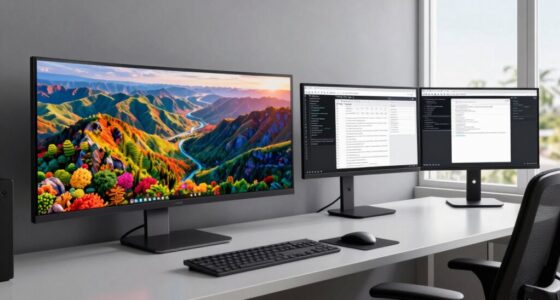
Think of a 49-inch ultrawide as the equivalent of having two monitors side-by-side, but without the distracting bezels. It’s perfect for managing multiple code windows, terminal panels, and documentation all at once.
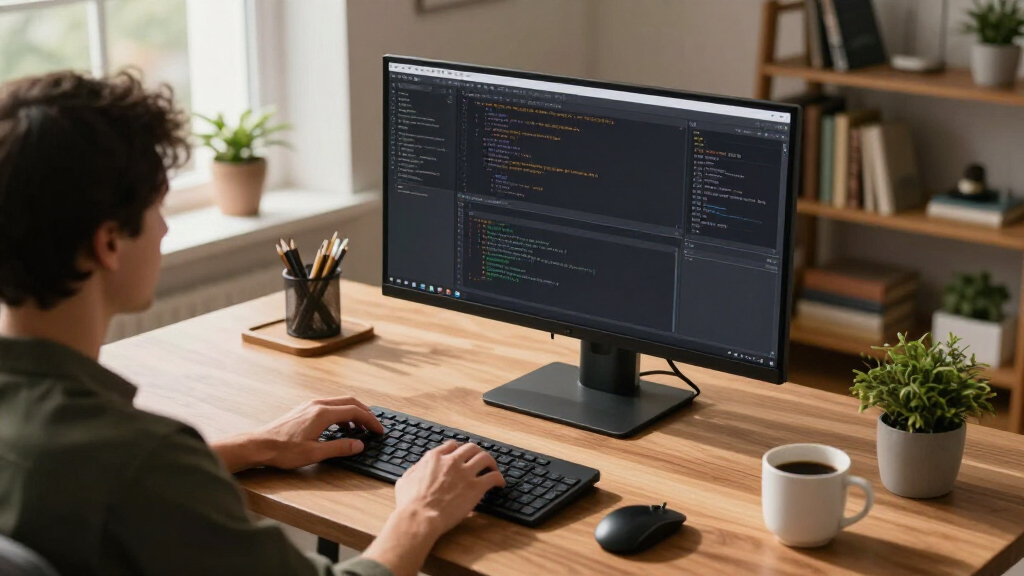
Picture yourself editing code on one side, debugging on the other, and referencing documentation in a small window—all on a single, immersive screen. This setup reduces the clutter of multiple screens and keeps your focus sharp. Plus, the panoramic view helps you spot issues faster and switch between tasks smoothly.
For example, software engineers working on complex projects find that a 49-inch ultrawide cuts down on the time spent toggling between tabs. It’s like adding extra brainpower to your desk.
49 inch ultrawide monitor for coding
As an affiliate, we earn on qualifying purchases.
As an affiliate, we earn on qualifying purchases.
What specs truly matter for coding on a 49-inch ultrawide
When choosing a monitor for coding, not all specs are created equal. The most critical features include resolution, panel type, connectivity, and ergonomics.
Resolution matters because sharp text reduces eye strain. A resolution of 5120×1440 (Dual QHD) offers crisp clarity, making long hours more comfortable. Cheaper options with 3840×1080 stretch the pixels thin, causing blurry text and fatigue. The higher pixel density ensures that characters remain sharp at typical viewing distances, which is essential for reducing eye fatigue and maintaining focus during extended coding sessions.
Panel type is another key. An IPS panel provides wider viewing angles and more consistent colors, which is helpful if you share your screen or work in different lighting conditions. While color accuracy isn’t critical for coding, it’s a bonus for those who also do light graphic work. The choice of panel affects how your eyes perceive the display, impacting comfort and reducing strain over long periods.
Connectivity options like USB-C with power delivery streamline your workspace by reducing cable clutter. Adjustable stands and VESA compatibility boost comfort during marathon coding sessions. These features allow you to customize your setup, which can prevent awkward postures and reduce physical fatigue. Balancing these specs involves considering your workflow and future-proofing your investment, as higher resolutions and better panels can handle evolving software and multitasking demands.
5120×1440 ultrawide monitor with USB-C
As an affiliate, we earn on qualifying purchases.
As an affiliate, we earn on qualifying purchases.
Latest tech trends making 49-inch ultrawides better for coding
2023-2024 has brought exciting updates to ultrawide monitors. Higher refresh rates—like 120Hz+—are becoming more common, reducing flicker and eye fatigue. While refresh rate isn’t critical for static coding, smoother motion benefits general use and multitasking, especially when switching between windows or watching tutorials. The increased refresh rate can also make interactions feel more fluid and responsive, which enhances overall productivity.
USB-C with power delivery (PD) is now standard on many models, letting you connect and charge your laptop with a single cable. This reduces clutter and simplifies your workspace, making it easier to keep your desk tidy and your workflow efficient. Such features are crucial for creating a clean, distraction-free environment that promotes focus and reduces physical clutter.
Curved screens—often with a 1500R or 1800R curve—offer a more natural viewing experience. They reduce distortion at the edges, which can otherwise cause eye strain during long sessions, and create a more immersive environment. Some models now include built-in software for window management, allowing you to organize multiple code windows effortlessly, which can significantly enhance productivity by minimizing window switching and maximizing screen real estate. These innovations reflect a shift towards more ergonomic and user-friendly designs that support prolonged use without discomfort.
curved ultrawide monitor for multitasking
As an affiliate, we earn on qualifying purchases.
As an affiliate, we earn on qualifying purchases.
Comparison table: Top 49-inch ultrawide monitors for coding
| Model | Resolution | Refresh Rate | Panel Type | Connectivity | Stand Adjustment |
|---|---|---|---|---|---|
| Samsung Odyssey Neo G9 | 5120×1440 | 240Hz | QLED, VA | HDMI, DisplayPort, USB-C | Height, tilt, swivel |
| Dell UltraSharp U4919DW | 5120×1440 | 60Hz | IPS | HDMI, DisplayPort, USB-C | Height, tilt |
| LG 49WL95C-W | 5120×1440 | 60Hz | IPS | USB-C, HDMI, DisplayPort | Height, tilt |
| Acer EI491CR | 3840×1080 | 120Hz | VA | HDMI, DisplayPort | Not specified |
This table compares some leading models, highlighting their key specs for programmers. Keep in mind that the best choice depends not just on raw specs but also on how well the monitor’s features align with your specific workflow and ergonomic needs. For example, a high refresh rate is beneficial if you also use your monitor for multimedia or gaming, but for pure coding, resolution and panel quality might take precedence.
ergonomic ultrawide monitor with adjustable stand
As an affiliate, we earn on qualifying purchases.
As an affiliate, we earn on qualifying purchases.
How to pick the perfect 49-inch ultrawide for your workflow
- Assess your workspace size to ensure your desk can handle a 49-inch monitor comfortably. Larger monitors require more space, and inadequate desk size can lead to discomfort or limited ergonomic adjustment options.
- Prioritize resolution—aim for at least 5120×1440 for sharp text and clarity. Higher resolutions reduce pixelation and make reading code easier, especially over long periods, but they also demand more from your graphics card. This means considering your GPU’s capability to handle such resolutions smoothly, which is crucial to avoid performance bottlenecks during intensive multitasking.
- Choose an IPS panel for consistent colors and wide viewing angles. This helps maintain visual comfort when sharing your screen or working in different lighting conditions, reducing eye strain and visual fatigue. The tradeoff is that IPS panels can sometimes have slightly slower response times, but for coding, this is usually negligible.
- Look for adjustable stands or VESA compatibility to customize your setup for comfort. Proper ergonomics prevent neck and eye strain, especially during extended coding sessions. Investing in adjustments that suit your posture can significantly reduce fatigue and discomfort over time.
- Check connectivity options—USB-C with power delivery can simplify your cables and enable you to connect your laptop directly, reducing clutter and setup time. This is especially valuable if you frequently switch devices or work from multiple sources.
- Read reviews focusing on real-world use, especially for long coding sessions. User feedback often reveals issues like flickering, color inconsistency, or ergonomic shortcomings that specifications alone might not show. This insight helps you avoid monitors that look good on paper but may cause discomfort or inconvenience in daily use.
For example, if you often work in different lighting conditions or move between desks, an IPS panel with anti-glare coating and VESA mount options will provide greater flexibility and reduce eye fatigue. Balancing these factors ensures you select a monitor that enhances productivity without compromising comfort.
Potential downsides of ultrawide monitors and how to avoid them
While ultrawides boost productivity, they come with challenges that can impact your workflow if not addressed. Compatibility issues with some applications can cause display problems, especially if the software isn’t optimized for ultra-wide resolutions. For instance, older applications might not scale correctly, leading to distorted interfaces or cut-off windows, which can hinder productivity rather than enhance it. Their size demands a spacious desk, and higher costs might stretch your budget, which can be a barrier for some users. This means weighing the benefits against the investment required and your available workspace.
To avoid frustration, test compatibility with your key apps beforehand—many manufacturers offer trial periods or demo units. Measure your workspace carefully; a monitor that’s too large can cause discomfort or force you to rearrange your setup. Consider models with adjustable stands or VESA mounts, so you can fine-tune the height and angle to match your ergonomic needs. Additionally, be aware that some older graphics cards may struggle with 5120×1440 resolution, leading to reduced performance or display issues. Upgrading your GPU might be necessary to fully utilize the monitor’s capabilities, especially if you plan to use high refresh rates or connect multiple devices. Recognizing these potential pitfalls upfront allows you to plan your setup more effectively and avoid costly adjustments later, ensuring a smoother integration into your workspace.
Final tips for choosing your ideal ultrawide monitor
- Test ergonomics—adjustability is key for long coding marathons. A monitor that can tilt, swivel, and height-adjust ensures you maintain a comfortable posture. Poor ergonomics can lead to neck, shoulder, and back pain, which diminishes productivity over time. Investing in a monitor with comprehensive adjustability means you can customize it to your body’s needs, reducing strain and fatigue.
- Prioritize resolution and panel quality for clear, comfortable reading. An IPS panel with at least 5120×1440 resolution offers the best balance of color accuracy and sharpness. This combination ensures that the text remains crisp and the colors consistent, which is vital for reducing eye strain and maintaining focus during long coding sessions.
- Ensure your PC’s graphics card can support the resolution smoothly. Check bandwidth requirements, especially if considering high refresh rates or multiple inputs. A mismatch here can lead to lag, stuttering, or inability to utilize the monitor’s full potential, undermining the benefits of an ultrawide setup.
- Opt for models with ample connectivity options, especially USB-C. This reduces cable clutter and makes connecting peripherals easier. It also future-proofs your setup, allowing easy integration with newer laptops and devices that rely on USB-C for data and power.
- Balance your budget with essential features—sometimes paying a bit more gets you better longevity, better build quality, and future-proofing. Lower-cost models may save money initially but can lack durability or essential features, leading to additional costs down the line.
Think of your monitor as an extension of your workspace — investing in quality pays off in comfort and productivity. Carefully evaluating these factors ensures you choose a monitor that enhances your workflow and makes long hours more manageable.
Frequently Asked Questions
Is a 49-inch ultrawide monitor worth it for coding?
Absolutely. It offers vast screen real estate, reducing the need to switch between multiple monitors and boosting your multitasking efficiency. If you spend long hours coding, the ergonomic benefits and increased productivity are well worth the investment.What resolution should I look for on a 49-inch ultrawide for coding?
The best choice is 5120×1440 (Dual QHD). It provides sharp, clear text and reduces eye fatigue compared to lower resolutions, making it easier to focus on complex code for hours.Can ultrawide monitors replace multiple screens?
Yes, many programmers find a single ultrawide monitor more seamless. It eliminates bezels and allows for a continuous workspace, though some still prefer dual setups for specific workflows or software compatibility.Will I need a powerful graphics card for a 49-inch ultrawide?
It depends on your resolution and refresh rate. For 5120×1440 at 60Hz, most modern GPUs handle it easily. For higher refresh rates like 240Hz, ensure your GPU supports the bandwidth to avoid performance issues.What should I avoid when choosing a 49-inch ultrawide for coding?
Avoid models with poor ergonomic adjustments, low resolution, or incompatible connectivity options. Also, steer clear of monitors that don’t specify panel type or build quality, as these can cause discomfort over time.Conclusion
Choosing the right 49-inch ultrawide monitor can transform your coding experience. It’s about balancing resolution, ergonomics, and connectivity to create a seamless workspace. When you find that perfect fit, long hours of coding become less about fatigue and more about flow.
So, measure your space, prioritize what matters most, and step into a new level of productivity. Your future self will thank you for it—imagine wrapping your eyes around a true panoramic command center.
Columbus Day / Indigenous Peoples' Day Picks
long weekend sales
As an affiliate, we earn on qualifying purchases.