Maintaining indoor humidity between 30% and 50% is key to feeling comfortable and staying healthy at home. This range helps prevent issues like dry skin, sinus irritation, and static electricity while reducing the risk of mold growth and musty odors. To keep your environment just right, monitor humidity levels regularly with a hygrometer and adjust using humidifiers or dehumidifiers as needed. Keep going to discover simple tips for ideal indoor air quality.
Key Takeaways
- Most homes aim to keep indoor humidity between 30% and 50% for optimal comfort.
- Maintaining this range reduces mold growth and prevents excess moisture issues.
- Proper humidity levels support air quality, health, and breathing comfort.
- Use hygrometers to monitor and adjust humidity with humidifiers or dehumidifiers.
- Good ventilation and prompt leak repairs help sustain the ideal indoor humidity range.
Maintaining proper indoor humidity levels is essential for your comfort and health. When your home’s humidity is within the ideal range, you’ll notice improved air quality, which directly impacts your overall well-being. Proper humidity levels help reduce airborne contaminants, dust, and allergens, making it easier to breathe and creating a healthier environment. On the other hand, if the air becomes too dry or too moist, it can lead to issues that compromise your comfort and safety.
Proper indoor humidity enhances air quality and health, making your environment more comfortable and safe.
One of the key reasons to keep humidity within the recommended range is mold prevention. Mold thrives in environments with excess moisture, often developing behind walls, under flooring, or in damp corners. By maintaining humidity levels between about 30% and 50%, you greatly reduce mold growth. This not only protects the structural integrity of your home but also shields you and your family from potential health problems associated with mold spores, such as allergies, respiratory issues, and asthma exacerbations. Proper humidity control acts as a first line of defense, making your indoor environment less hospitable to mold spores and other microbial growth.
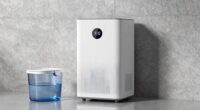
To achieve and sustain this balance, consider using a hygrometer to monitor your home’s humidity regularly. If it dips below 30%, you might experience dry skin, irritated sinuses, or increased static electricity. Conversely, if it rises above 50%, you may notice a musty smell, condensation on windows, or visible mold spots. Using a humidifier or dehumidifier can help you fine-tune the moisture levels. For example, during winter months, a humidifier adds necessary moisture to dry indoor air, while in humid summers, a dehumidifier removes excess moisture, preventing mold and maintaining air quality.
Good ventilation also plays a crucial role in controlling indoor humidity. Using exhaust fans in kitchens and bathrooms can help remove excess moisture generated during cooking or showering. Ensuring proper airflow prevents moisture buildup that fosters mold growth and keeps the air fresh and clean. Additionally, fixing leaks or water intrusion promptly minimizes excess moisture that can contribute to mold development. Monitoring indoor humidity with reliable devices is essential for maintaining the optimal range and ensuring a healthy living environment.

Dell 32 Plus 4K Monitor - S3225QS - 31.5-inch 4K (3840 x 2160) up to 120Hz 16:9 Display, VA Panel, AMD FreeSync Premium, 99% sRGB, 95% DCI-P3, 1500:1 Contrast Ratio, Comfortview - Ash White
Improved ComfortView Plus: Reduces harmful blue light emissions to ≤35%, for all-day comfort without sacrificing color accuracy.
As an affiliate, we earn on qualifying purchases.
Frequently Asked Questions
How Does Humidity Affect Indoor Allergies?
High humidity levels can worsen indoor allergies by increasing airborne allergens and promoting dust mite proliferation. When the air is moist, dust mites thrive, leading to more triggers for allergy symptoms. Conversely, maintaining proper humidity helps reduce these allergens, making your environment healthier. You should aim for a balanced humidity level, around 40-50%, to minimize allergy issues and create a more comfortable indoor space.
Can High Humidity Cause Mold Growth Indoors?
Imagine a damp sponge left in a corner—that’s what high humidity feels like indoors. Yes, high humidity can cause mold growth, making it essential to practice mold prevention through humidity control. By maintaining ideal moisture levels, you prevent mold spores from settling and thriving. Keep your indoor environment dry and well-ventilated, and you’ll effectively reduce the risk of mold growth, safeguarding your home’s health and comfort.
What Are the Best Tools to Measure Indoor Humidity?
You should use a hygrometer to measure indoor humidity accurately. There are different types like analog and digital hygrometers, with digital ones offering more precise readings and easy-to-read displays. Humidity sensors are integrated into smart thermostats and home climate systems, providing real-time data. Choose a hygrometer that suits your needs, ensuring it has a reliable sensor for consistent, accurate measurements to maintain comfortable indoor humidity levels.
How Does Humidity Impact Indoor Heating Efficiency?
Humidity impacts your indoor heating efficiency by affecting moisture levels and overall comfort. When humidity is too low, your heating system works harder to warm the air, increasing energy use. Proper humidity control and moisture balancing help maintain an ideal indoor environment, making heating more effective and comfortable. By managing humidity, you reduce strain on your heating system and improve energy savings, ensuring a cozy, efficient home year-round.
What Are Natural Ways to Regulate Indoor Humidity Levels?
Did you know that adding houseplants can boost indoor humidity by up to 5%? To naturally regulate humidity, use humidifier maintenance to prevent mold, and incorporate natural moisture sources like bowls of water or hanging laundry indoors. These methods help keep humidity levels comfortable without relying solely on artificial devices, creating a healthier environment that feels just right for you.

SAMSUNG 49-inch Odyssey G9 (G91F) DQHD, 144Hz, Curved Gaming Monitor, Ultra-Wide 32:9 Screen, DisplayHDR 600, AMD FreeSync™ Premium Pro, Ergonomic Stand, LS49FG910ENXZA, 2025
WRAP YOURSELF IN GREATER DETAIL: Immerse yourself in a panoramic gaming experience with a 1000R curved display. This...
As an affiliate, we earn on qualifying purchases.
Conclusion
Keeping your home’s humidity within the comfort zone is like tuning a delicate instrument—you make sure every note sounds just right. When you manage it well, you’re creating a cozy haven where comfort flourishes and health thrives. Think of your indoor air as a gentle breeze, neither too harsh nor too faint. Mastering this balance transforms your space into a sanctuary, inviting relaxation and well-being to dance effortlessly around you.

SAMSUNG 32" UJ59 Series 4K UHD (3840x2160) Computer Monitor,VA Panel, HDMI, Display Port, Eye Saver/Flicker Free Mode, FreeSync, LU32J590UQNXZA, Black
WIDESCREEN UHD: With 4x the pixels of Full HD, get more screen space (vs 16:9 screen) and UHD...
As an affiliate, we earn on qualifying purchases.

LG 32UR500K-B Ultrafine 32-inch 4K UHD (3840x2160) Computer Monitor HDR10 Built-in Speaker x2 OnScreen Control Reader Mode Flicker Safe Borderless Design HDMIx2 DisplayPort Black
32-inch 4K UHD Display - The 32-inch UHD 4K (3840 x 2160) display reproduces clear images and vibrant...
As an affiliate, we earn on qualifying purchases.