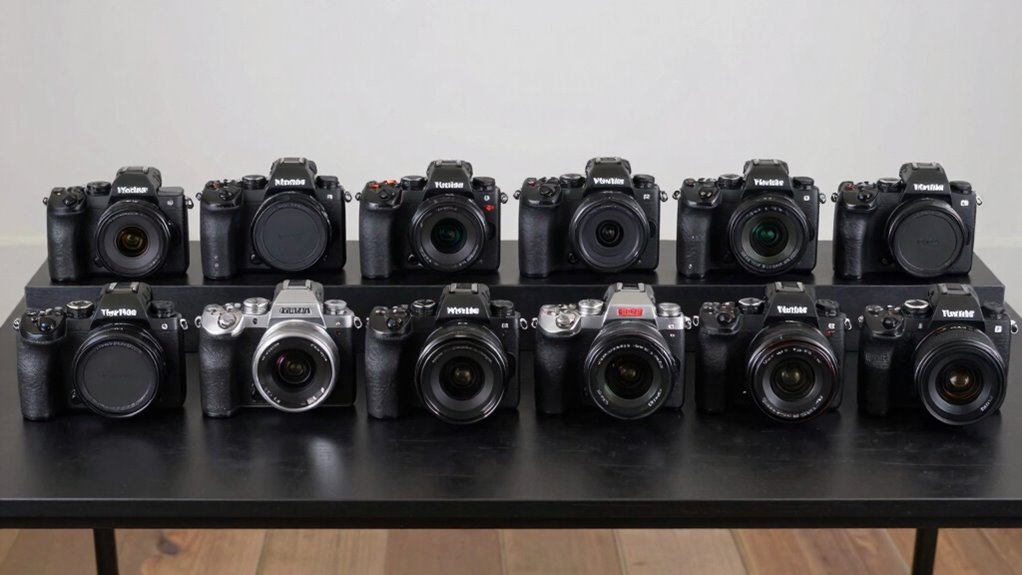

Finding the right mirrorless camera for YouTube can be challenging with so many options on the market. The Canon EOS R50 stands out as the best overall choice thanks to its user-friendly interface and solid 4K video capabilities. The Sony ZV-E10 is ideal for vloggers who want excellent autofocus and portability, while the Nikon Z 30 offers a compact design perfect for on-the-go shooting. Each option balances video quality, ease of use, and price differently, making tradeoffs inevitable. Keep reading for a detailed breakdown to help you pick the perfect fit for your YouTube channel.

Prime made for students and young adults
- Fast, free delivery for dorm and study essentials
- Prime Video and Amazon Music included
- Member-only deals
Key Takeaways
- The best overall mirrorless camera for YouTube in 2026 combines ease of use with high-quality 4K video recording.
- Compact and lightweight models like the Nikon Z 30 are ideal for creators who shoot on the move but may lack advanced features found in pricier options.
- Interchangeable lens options provide versatility but often come with a higher price tag and complexity, which beginners might find overwhelming.
- Autofocus, stabilization, and flip-out screens are key features that significantly impact video quality and usability for YouTube creators.
- Entry-level cameras often sacrifice some video features for affordability, so consider your growth plans before choosing a budget model.
| Canon EOS R50 Mirrorless Camera RF-S18-45mm F4.5-6.3 IS STM Lens Kit | 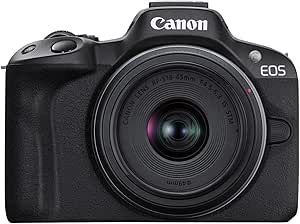 | Best Overall for Versatile Content Creation | Sensor: 24.2 Megapixel APS-C CMOS | Autofocus: Dual Pixel CMOS AF II with 651 zones | Max Continuous Shooting: 12 fps with Electronic First Curtain, 15 fps with Electronic Shutter | VIEW ON AMAZON | See Our Full Breakdown |
| Nikon Z 30 with Wide-Angle Zoom Lens – Compact Mirrorless Camera for Creators |  | Best for Vloggers and On-the-Go Creators | Lens: 16-50mm wide-angle zoom | Video Resolution: 4K | Autofocus: Eye detection for people and pets | VIEW ON AMAZON | See Our Full Breakdown |
| 5K Video Camera Camcorder, UHD 64MP Vlogging Camera for YouTube with 3″ Rotatable Touch Screen, IR Night Vision, 16X Zoom, WiFi, Webcam, 32GB Card, 2 Batteries, Microphone |  | Best for High-Resolution Versatile Vlogging | Sensor Type: CMOS | Connectivity Technology: USB | Special Features: 5K resolution, Night Vision, Rotatable Screen | VIEW ON AMAZON | See Our Full Breakdown |
| ZYDIIE 4K Video Camera Camcorder UHD 64MP Vlogging Camera with 18x Zoom, Night Vision, 3″ Touchscreen, Remote & 32GB Card |  | Best for Versatile 4K Content with Extended Zoom | Video Resolution: 4K Ultra HD | Photo Resolution: 64MP | Zoom: 18x digital | VIEW ON AMAZON | See Our Full Breakdown |
| Canon EOS R100 Mirrorless Camera with RF-S 18-45mm F4.5-6.3 IS STM Lens Kit |  | Best Overall for Versatile Content Creation | Sensor: 24.1 MP APS-C CMOS | Lens: RF-S 18-45mm F4.5-6.3 IS STM | Video Recording: 4K at 24 fps, Full HD at 60 fps, HD at 120 fps | VIEW ON AMAZON | See Our Full Breakdown |
| Sony Alpha a6400 Mirrorless Camera with 16-50mm Lens |  | Best Compact for Vlogging and Fast Shooting | Sensor: 20.1 MP APS-C | Lens: 16-50mm | Autofocus: Real-Time Eye AF | VIEW ON AMAZON | See Our Full Breakdown |
| Canon EOS R100 Mirrorless Camera with 18-45mm & 75-300mm Double Lens Bundle |  | Best for Versatile Shooting with Multiple Lenses | Sensor: 24.2 MP APS-C CMOS | Lenses: 18-45mm f/4.5-6.3, 75-300mm f/4-5.6 | Video Capabilities: 4K | VIEW ON AMAZON | See Our Full Breakdown |
| Sony Alpha ZV-E10 APS-C Interchangeable Lens Mirrorless Vlog Camera Kit – Black |  | Best for Vlogging with Live Streaming Features | Sensor: 24.2 MP APS-C | Video: 4K oversampled from 6K | Features: Product Showcase, Background Defocus, Live Streaming | VIEW ON AMAZON | See Our Full Breakdown |
| Canon EOS R50 Mirrorless Camera with 18-45mm Lens Bundle |  | Best for Beginners and Vloggers on a Budget | Lens: 18-45mm | Video Resolution: 4K | Autofocus: Dual Pixel AF | VIEW ON AMAZON | See Our Full Breakdown |
| Sony ZV-E10 APS-C Mirrorless Camera with 16-50mm Lens Black |  | Best for Vloggers Who Need Versatile Video and Autofocus | Sensor Type: CMOS | Sensor Size: APS-C | Image Resolution: 24.2 MP | VIEW ON AMAZON | See Our Full Breakdown |
| mirrorless camera for youtube | Autofocus | Sensor |
|---|---|---|
| Canon EOS R50 Mirrorless Camer | Dual Pixel CMOS AF II with 651 zones | 24.2 Megapixel APS-C CMOS |
| Nikon Z 30 with Wide-Angle Zoo | Eye detection for people and pets | — |
| 5K Video Camera Camcorder | — | — |
| ZYDIIE 4K Video Camera Camcord | — | — |
| Canon EOS R100 Mirrorless Came | Dual Pixel CMOS AF with face and eye detection | 24.1 MP APS-C CMOS |
| Sony Alpha a6400 Mirrorless Ca | Real-Time Eye AF | 20.1 MP APS-C |
| Canon EOS R100 Mirrorless Came | Dual Pixel CMOS AF | 24.2 MP APS-C CMOS |
| Sony Alpha ZV-E10 APS-C Interc | — | 24.2 MP APS-C |
| Canon EOS R50 Mirrorless Camer | Dual Pixel AF | — |
| Sony ZV-E10 APS-C Mirrorless C | — | — |
More Details on Our Top Picks
Canon EOS R50 Mirrorless Camera RF-S18-45mm F4.5-6.3 IS STM Lens Kit
The Canon EOS R50 stands out for its balance of high image quality and flexible video features, making it an excellent choice for those who want a single camera for both photos and YouTube videos. Compared to the Nikon Z 30, it offers slightly better autofocus and a more robust video mode, but it lacks in-body stabilization, which might be a drawback for handheld shooting. Its vari-angle touchscreen and 4K oversampled video ensure content looks professional, yet limited lens options mean it’s less future-proof for expanding your kit. This camera suits creators who value high-quality output but are okay with moderate lens expansion and shorter battery life.
Pros:- High-resolution 24.2MP sensor ensures sharp images
- Fast autofocus with subject tracking improves video focus
- Excellent 4K video quality with oversampling
Cons:- No in-body stabilization, leading to shaky handheld footage
- Limited lens ecosystem compared to full-frame options
- Battery life may require frequent charging during extended shoots
Best for: Beginner and intermediate YouTubers seeking a versatile, all-in-one camera for both recording and photos.
Not ideal for: Professional videographers or photographers who need in-body stabilization or extensive lens choices.
- Sensor:24.2 Megapixel APS-C CMOS
- Autofocus:Dual Pixel CMOS AF II with 651 zones
- Max Continuous Shooting:12 fps with Electronic First Curtain, 15 fps with Electronic Shutter
- Video Recording:6K oversampled 4K at 30 fps, Full HD at 120 fps
- Viewfinder:2.36-million-dot EVF
- Screen:Vari-angle touchscreen
Our verdict“This camera is best suited for creators who want high-quality video and photos in a compact, versatile package without needing advanced stabilization.”
Nikon Z 30 with Wide-Angle Zoom Lens – Compact Mirrorless Camera for Creators
The Nikon Z 30 excels for content creators who prioritize portability and ease of use, especially with its flip-out touchscreen and live streaming features. Compared with the Canon EOS R50, it offers a more compact design and slightly better integration for vlogging, but it has a more limited lens ecosystem without additional Z-mount lenses. Its autofocus with eye detection is reliable for both people and pets, making it ideal for casual filming and social media, though extended shooting sessions may drain the battery faster. This model makes the most sense for creators who need a lightweight camera that can go anywhere and stream directly to their audience.
Pros:- Compact and lightweight for easy portability
- Excellent 4K video with sophisticated autofocus
- Flip-out touchscreen simplifies framing and vlogging
Cons:- Limited compatibility with non-Z lenses without adapters
- Shorter battery life for extended sessions
- Some advanced features require optional accessories
Best for: Vloggers, social media influencers, and content creators needing a portable, user-friendly camera with live streaming capabilities.
Not ideal for: Professional videographers seeking high-end stabilization or a wider selection of native lenses.
- Lens:16-50mm wide-angle zoom
- Video Resolution:4K
- Autofocus:Eye detection for people and pets
- Image Stabilization:Yes
- Screen:Flip-out touchscreen
- Connectivity:USB-C, HDMI, smartphone app
Our verdict“Ideal for creators who want a portable, reliable camera for vlogging and live streaming without the bulk of larger setups.”
5K Video Camera Camcorder, UHD 64MP Vlogging Camera for YouTube with 3″ Rotatable Touch Screen, IR Night Vision, 16X Zoom, WiFi, Webcam, 32GB Card, 2 Batteries, Microphone
The 5K UHD Vlogging Camera offers outstanding resolution and flexibility, especially for creators who want detailed footage and a professional look. Compared with the ZXDIIE 4K Camcorder, it provides higher resolution and more advanced features like night vision and a rotatable touchscreen, making it suitable for varied environments. However, manual focus and potential Mac compatibility issues can complicate workflow, and its bulkier size is less convenient for on-the-move shooting. This camera makes the most sense for creators who prioritize high resolution and professional features over ultra-lightweight portability.
Pros:- Exceptional 5K video and 64MP photos for professional quality
- Rotatable touch screen for flexible framing and selfies
- Includes microphone, batteries, and accessories for complete setup
Cons:- Manual focus can be tricky to master for sharp images
- Potential compatibility issues with Mac OS for file handling
- Larger size reduces portability
Best for: Content creators who need high-resolution footage and versatile features for indoor and outdoor shooting, including night vision.
Not ideal for: Travel vloggers or mobile creators who prefer lightweight, compact gear for quick setup and movement.
- Sensor Type:CMOS
- Connectivity Technology:USB
- Special Features:5K resolution, Night Vision, Rotatable Screen
- Water Resistance Level:Not Water Resistant
- Item Weight:2.5 pounds
- Zoom:16x Optical, 4x Digital
Our verdict“Best suited for creators who prioritize resolution and feature richness over ultralight convenience.”
ZYDIIE 4K Video Camera Camcorder UHD 64MP Vlogging Camera with 18x Zoom, Night Vision, 3″ Touchscreen, Remote & 32GB Card
The ZYDIIE 4K Camcorder offers a strong balance of resolution, zoom, and features for creators who need flexibility in varied shooting conditions. Its 18x digital zoom and infrared night vision make it suitable for outdoor and indoor use, even in low light. Compared with the 5K UHD Camera, it offers a more affordable option with impressive zoom capabilities, but it falls short on resolution—being limited to 4K. Its touchscreen and remote control enhance usability, yet the menu system can be complex for beginners. This model makes sense for those who want a versatile, all-in-one device for dynamic filming scenarios.
Pros:- 4K video with detailed 64MP photos
- 18x digital zoom provides close-up shots from afar
- Night vision and remote control add versatility
Cons:- Limited to 4K resolution, less sharp than higher-end models
- Menu system may be complex for new users
- Requires micro SD card for extended storage
Best for: Vloggers and travel creators needing a flexible, zoom-capable camera for varied environments.
Not ideal for: Creators focused solely on high-resolution, studio-style filming or those who need advanced stabilization.
- Video Resolution:4K Ultra HD
- Photo Resolution:64MP
- Zoom:18x digital
- Screen Size:3 inches
- Touchscreen:Yes
- Night Vision:Infrared
Our verdict“Suitable for creators who need a flexible, zoom-capable camcorder for diverse shooting environments and moderate resolution demands.”
Canon EOS R100 Mirrorless Camera with RF-S 18-45mm F4.5-6.3 IS STM Lens Kit
The Canon EOS R100 stands out for offering a highly portable and user-friendly experience while still delivering high-quality 4K video and detailed images with its 24.1 MP APS-C sensor. Compared to the Sony a6400, it benefits from a slightly larger and more approachable body, but the limited aperture (F4.5-6.3) could hinder low-light shooting; it doesn’t have a built-in viewfinder, which might be a drawback for those who prefer framing through an optical or electronic viewfinder. Its autofocus is advanced with face and eye detection, making it suitable for fast-paced vlogging and casual filming, but the shorter battery life means extended sessions require extra planning. This camera is best suited for hobbyists and casual creators who want a lightweight, all-in-one package without the need for extensive controls or accessories.
Pros:- Compact and lightweight for portability
- High-quality 24.1 MP sensor for detailed images
- Versatile 4K video recording capabilities
- Advanced autofocus with face and eye detection
Cons:- Limited maximum aperture (F4.5-6.3) affects low-light performance
- No built-in viewfinder for composing shots
- Battery life may be insufficient for extended shoots
Best for: Beginners and casual content creators seeking a compact camera with good 4K video and autofocus.
Not ideal for: Vloggers or professionals who need extensive manual controls, longer battery life, or a built-in viewfinder.
- Sensor:24.1 MP APS-C CMOS
- Lens:RF-S 18-45mm F4.5-6.3 IS STM
- Video Recording:4K at 24 fps, Full HD at 60 fps, HD at 120 fps
- Autofocus:Dual Pixel CMOS AF with face and eye detection
- Continuous Shooting:6.5 fps
- Size:Compact and lightweight
Our verdict“An excellent choice for beginners and hobbyists who prioritize portability and ease of use over low-light performance.”
Sony Alpha a6400 Mirrorless Camera with 16-50mm Lens
The Sony Alpha a6400 excels in autofocus speed and accuracy, thanks to real-time eye tracking, which makes it ideal for capturing quick moments or vlogging on the move. Its 20.1 MP sensor provides excellent detail, and the tiltable LCD screen is a boon for selfie-style filming, setting it apart from the Canon EOS R100, which lacks a flip-out display. However, the a6400’s battery life is often a limiting factor during longer shooting sessions, and it comes with fewer accessories, requiring additional investment for a complete vlogging setup. Compared to the Canon EOS R50, it offers more manual controls and better autofocus, but at the cost of slightly increased complexity for new users. This model makes the most sense for creators who value speed, autofocus, and compactness for dynamic shooting environments.
Pros:- Fast, accurate real-time eye autofocus
- Tiltable LCD screen for easy selfie and vlogging use
- High-resolution 20.1MP sensor for detailed images
- Compact and lightweight for portability
Cons:- Limited battery life for prolonged shoots
- Fewer included accessories in the box
- Limited in-body stabilization
Best for: Vloggers and fast-paced content creators who need quick autofocus and a tilting screen.
Not ideal for: Beginners or those who want a simple, straightforward camera without the need for additional accessories or extensive controls.
- Sensor:20.1 MP APS-C
- Lens:16-50mm
- Autofocus:Real-Time Eye AF
- Video:4K
- Frame Rate:Up to 11 fps
- Screen:Tiltable LCD
Our verdict“A top pick for creators who prioritize autofocus speed and a flexible screen in a compact form factor.”
Canon EOS R100 Mirrorless Camera with 18-45mm & 75-300mm Double Lens Bundle
This Canon EOS R100 bundle provides the flexibility of two lenses, making it suitable for a variety of shooting styles from wide-angle vlogging to telephoto shots. Its 24.2 MP sensor yields sharp images, and the combination of fast Dual Pixel autofocus and 4K video makes it a well-rounded option for content creators who want more versatility without carrying multiple cameras. Unlike the Sony a6400, which is more compact, this bundle adds weight but greatly expands creative options, especially for photographers and videographers who want to switch lenses on the fly. The main tradeoff is that the kit lenses have limited apertures, which can affect performance in low-light conditions. This kit is perfect for creators seeking a lightweight but adaptable camera for travel, nature, or multi-genre content creation.
Pros:- High-resolution 24.2 MP sensor for sharp images
- Includes both wide-angle and telephoto lenses
- Lightweight and portable for travel use
- Fast autofocus with eye detection
Cons:- Limited aperture range of included lenses affects low-light shots
- No built-in flash
- Autofocus may struggle in very challenging lighting
Best for: Travel vloggers and enthusiasts who want a versatile kit with multiple focal lengths.
Not ideal for: Creators who prefer a simple, minimal setup or need extended battery life for long shoots.
- Sensor:24.2 MP APS-C CMOS
- Lenses:18-45mm f/4.5-6.3, 75-300mm f/4-5.6
- Video Capabilities:4K
- Autofocus:Dual Pixel CMOS AF
- Battery:LP-E17
- Size:Lightweight and portable
Our verdict“Ideal for creators who want a flexible, multi-lens setup for varied shooting environments without sacrificing portability.”
Sony Alpha ZV-E10 APS-C Interchangeable Lens Mirrorless Vlog Camera Kit – Black
The Sony ZV-E10 is tailored for content creators focused on vlogging, offering a 24.2 MP sensor and oversampled 4K video that delivers crisp, high-quality footage. Its dedicated features like Product Showcase and Background Defocus streamline the filming process, especially for those who want quick results without manual fiddling. The camera’s ability to connect for live streaming via USB makes it a strong contender for streamers and solo creators, setting it apart from the Canon EOS R100, which lacks dedicated streaming features. However, it doesn’t specify in-body stabilization, which might require additional accessories for smooth handheld footage. The learning curve could be steeper for absolute beginners, but it offers excellent value for dedicated vloggers seeking an all-in-one solution.
Pros:- High-quality 24.2 MP sensor for sharp images
- Oversampled 4K video for clarity
- Built-in features for easy vlogging and streaming
- Single USB connection for live streaming
Cons:- Unspecified in-body stabilization
- Potential learning curve for new users
- Limited lens options included
Best for: Vloggers and live streamers who want a dedicated camera with easy connectivity and quick focus transitions.
Not ideal for: Creators needing long battery life or extensive manual controls for complex productions.
- Sensor:24.2 MP APS-C
- Video:4K oversampled from 6K
- Features:Product Showcase, Background Defocus, Live Streaming
- Processor:BIONZ X
- Connectivity:USB for live streaming
- Size:Compact and lightweight
Our verdict“A strong choice for vloggers and streamers who prioritize quick setup and dedicated live features in a compact package.”
Canon EOS R50 Mirrorless Camera with 18-45mm Lens Bundle
The Canon EOS R50 is designed with new creators in mind, offering straightforward 4K video and reliable autofocus within a lightweight body. Its included 18-45mm lens is versatile enough for various shooting styles, from vlogging to casual photography. Compared to the Sony a6400, the R50 provides easier-to-use features and in-camera creative tools like vertical video guides, making it more approachable for beginners. However, its basic feature set means it lacks some advanced manual controls and in-body stabilization, which could limit creative flexibility for more experienced users. The shorter battery life also suggests it’s better suited for shorter sessions. This camera makes sense for those starting out or needing a simple, portable device for casual video content.
Pros:- Lightweight and easy to operate
- Includes a versatile 18-45mm lens
- Oversampled 4K video with reliable autofocus
- Features creative tools like vertical video and in-camera guides
Cons:- Limited advanced features for experienced users
- Lacks in-body stabilization
- Battery life may be short for extended shoots
Best for: Beginners and vloggers looking for an easy-to-use, lightweight camera with built-in creative tools.
Not ideal for: Advanced users or professionals requiring extensive manual controls and longer-lasting batteries.
- Lens:18-45mm
- Video Resolution:4K
- Autofocus:Dual Pixel AF
- Features:Vertical video, in-camera guides
- Size:Lightweight
- Battery:Shorter lifespan
Our verdict“An excellent starting point for beginners or casual vloggers who want simple, portable 4K video capability.”
Sony ZV-E10 APS-C Mirrorless Camera with 16-50mm Lens Black
The Sony ZV-E10 stands out as a top choice for content creators focused on high-quality video and flexible framing. Its 24.2MP APS-C sensor delivers sharp images, while 4K video oversampling ensures crisp footage, comparable to the Canon EOS R50 but with more advanced autofocus features like Real-Time Eye AF. The flip-out LCD is invaluable for vlogging, although the absence of a built-in viewfinder may be inconvenient for some. Its single USB port could limit connectivity, especially if you rely on multiple accessories. Weighing 16 ounces, it balances portability with stability, but prolonged handheld use might be tiring. For creators who prioritize autofocus and video quality in a compact design, this model offers a compelling package. However, those needing a built-in viewfinder or multiple ports should consider alternatives.
Pros:- High-quality 24.2MP APS-C sensor for sharp images
- Versatile 4K video with oversampling from 6K
- Flip-out LCD screen ideal for vlogging and framing
- Advanced autofocus including Real-Time Eye AF
Cons:- No built-in viewfinder, which can be a drawback in bright conditions
- Limited to one USB port, restricting multiple device connections
- Weight of 16 ounces may cause fatigue during extended handheld shooting
Best for: Content creators and vloggers who need excellent autofocus, 4K video, and a flip-out screen for handheld filming.
Not ideal for: Photographers who prefer viewfinder-based shooting or need extensive connectivity options, as this model lacks a built-in viewfinder and has limited ports.
- Sensor Type:CMOS
- Sensor Size:APS-C
- Image Resolution:24.2 MP
- Video Resolution:4K, 1080p
- Viewfinder:No
- Screen Size:3 inches
Our verdict“This camera is best suited for vloggers and content creators who prioritize autofocus, high-quality video, and a flexible selfie-friendly screen, despite some port and viewfinder limitations.”

How We Picked
This selection process focused on the core needs of YouTube creators, such as high-quality 4K video recording, reliable autofocus, ease of use, and portability. We prioritized cameras with flip-out or vari-angle screens to facilitate vlogging and on-camera presentation. Build quality and ergonomic design were also considered, ensuring the cameras are comfortable for extended shooting sessions. Additionally, value was a factor, balancing features against price to recommend options suitable for a broad range of creators—from beginners to more experienced users. The ranking reflects a blend of performance, usability, and overall versatility tailored specifically for YouTube content production.| mirrorless camera for youtube | Autofocus |
|---|---|
| Canon EOS R50 Mirrorless Camer | Dual Pixel CMOS AF II with 651 zones |
| Nikon Z 30 with Wide-Angle Zoo | Eye detection for people and pets |
| 5K Video Camera Camcorder | — |
| ZYDIIE 4K Video Camera Camcord | — |
| Canon EOS R100 Mirrorless Came | Dual Pixel CMOS AF with face and eye detection |
| Sony Alpha a6400 Mirrorless Ca | Real-Time Eye AF |
| Canon EOS R100 Mirrorless Came | Dual Pixel CMOS AF |
| Sony Alpha ZV-E10 APS-C Interc | — |
| Canon EOS R50 Mirrorless Camer | Dual Pixel AF |
| Sony ZV-E10 APS-C Mirrorless C | — |
Factors to Consider When Choosing Mirrorless Camera For Youtube
Choosing the right mirrorless camera for YouTube involves more than just megapixels and video resolution. It’s essential to consider how the camera’s features align with your filming style, content type, and future growth. Considering factors like autofocus performance, screen flexibility, and connectivity can make a significant difference in your workflow. Equally important are practical aspects such as size, weight, and battery life, which affect how comfortably and long you can shoot. This guide highlights key factors to keep in mind to help you make an informed decision that balances features and budget.Video Quality and Resolution
For YouTube, 4K video has become the standard, offering sharp, detailed footage that looks professional. However, higher resolution often requires better hardware and more storage. Consider whether your editing setup can handle 4K files smoothly and if your content benefits from ultra-high definition. Some cameras also offer advanced codecs and bitrates, which improve image quality at the expense of larger file sizes. Picking a model with good low-light performance can also help maintain quality in varied shooting conditions.
Autofocus and Stabilization
Autofocus performance, especially face and eye tracking, dramatically improves the quality of YouTube videos by keeping subjects sharp without manual adjustments. In addition, in-body or electronic stabilization helps produce smooth footage, reducing the need for external gimbals or steadicams. Both features are vital for solo creators who film themselves and want consistent, professional-looking results. Be aware, however, that some stabilization systems can crop the frame or introduce artifacts, so evaluate how they impact your workflow.
Flip-Out or Vari-Angle Screen
A flexible screen simplifies framing yourself during recording and makes it easier to monitor your shot. For vloggers and content creators who shoot alone, a fully articulating display can be a game-changer. Some models have touchscreens that facilitate menu navigation and focus adjustments, enhancing usability. However, these screens can add to the camera’s bulk or cost. If you predominantly shoot with others or in controlled environments, a fixed screen might suffice, saving you money and weight.
Connectivity and Workflow
Seamless live streaming, easy transfer of footage, and reliable Wi-Fi or Bluetooth are important for YouTubers who want quick turnaround times. Cameras with built-in streaming capabilities, or that connect easily to external devices, streamline the process of going from filming to publishing. Consider whether your preferred editing software supports the camera’s file formats and whether it offers direct-to-platform streaming options. These features can save time and reduce frustration during content creation.
Size, Weight, and Battery Life
Long shooting sessions or on-the-go filming demand a lightweight, comfortable camera with good battery endurance. Smaller, compact models are more portable but might lack advanced features or durability. Larger bodies often house bigger batteries and better ergonomics, but may be less convenient for mobile creators. Be mindful of your typical shooting environment and how often you can recharge or swap batteries, as these factors directly influence your shooting schedule.
Frequently Asked Questions
Do I need a full-frame mirrorless camera for YouTube?
Not necessarily. Many APS-C and Micro Four Thirds mirrorless cameras deliver excellent video quality suitable for YouTube, especially with good lenses and proper lighting. Full-frame cameras tend to perform better in low light and offer shallower depth of field, creating a more cinematic look. However, they are usually more expensive and bulkier. For most creators starting out or focusing on vlogs and casual content, a high-quality APS-C or smaller sensor camera offers a great balance of performance and portability.
Is in-body stabilization necessary for YouTube videos?
While not a strict necessity, in-body stabilization can significantly improve video smoothness, especially if you shoot handheld or on the move. It reduces shaky footage and can eliminate the need for additional stabilizers, making your setup simpler. However, stabilized lenses can also provide excellent results at a lower cost. Consider your shooting style; if you often film walking or handheld, prioritizing stabilization features makes sense.
How important is microphone input for YouTube creators?
Audio quality is just as important as video, and a dedicated microphone input allows you to connect external mics for clearer, more professional sound. Many cameras omit this port or have limited options, so check whether the model supports external microphones if you value audio quality. Good audio can elevate your content and make it more engaging, especially when viewers are close to or far from the camera. Budget models sometimes include a mic input, but premium options often provide better audio controls.
Should I prioritize lens flexibility or camera body features?
Both matter, but your choice depends on your content style. Interchangeable lenses provide creative flexibility, allowing you to adapt to different shooting scenarios—wide angles for vlogging or telephoto for close-ups. However, they add to your overall investment and increase setup complexity. If you prefer simplicity, a camera with a good built-in lens or a versatile kit might be better initially. Consider your long-term goals: if you plan to grow your channel, investing in a camera with a broad lens ecosystem can pay off.
Can I use a mirrorless camera for live streaming on YouTube?
Yes, many modern mirrorless cameras support clean HDMI output or have built-in streaming features, making them suitable for live streaming. You’ll often need an HDMI capture card to connect the camera to your computer, but some models include direct streaming options via Wi-Fi or Ethernet. Keep in mind that continuous streaming can drain batteries quickly, so consider using an external power source or extra batteries. Check the camera’s compatibility with streaming software like OBS or Streamlabs before making your choice.
Conclusion
The best overall choice for most creators is the Canon EOS R50 due to its balance of ease of use, quality, and affordability. If you’re on a tight budget or just starting out, the Sony ZV-E10 offers excellent value with features tailored for vlogging. For creators seeking premium quality and versatility, the Sony Alpha a6400 or the Canon EOS R100 double-lens bundle provide advanced options for future growth. Beginners focusing on simple, effective setups should prioritize models with flip-out screens and user-friendly interfaces, while more experienced creators might want to invest in stabilization and higher-end sensors. Ultimately, your choice should match your content style, budget, and long-term goals.