TL;DR
Listen free for 30 days with Audible
Thousands of audiobooks and originals — cancel anytime.
Start your free trialAs an affiliate, we earn on qualifying purchases.
Recent studies indicate that psychoactive substances may have significantly contributed to the rise of ancient Andean civilizations. This trend is gaining attention amid ongoing research, though key details remain unconfirmed.
Recent scholarly discussions and increased media coverage point to a possible link between the use of mind-altering drugs and the rise of ancient Andean civilizations. While definitive evidence remains scarce, the trend signals a growing interest in how psychoactive substances may have influenced social, religious, and political developments in pre-Columbian South America.
Multiple archaeological and anthropological studies have observed that substances such as coca, San Pedro cactus, and other psychoactive plants were used in ceremonial contexts by early Andean societies. Researchers suggest these substances may have played a role in shaping religious beliefs, social cohesion, and leadership authority, potentially contributing to the emergence of complex societies.
Recent academic articles and media reports indicate that the use of mind-altering drugs was widespread among elites and shamans, possibly facilitating altered states of consciousness that reinforced political and spiritual authority. This emerging perspective is based on findings from ceremonial sites, botanical remains, and iconography depicting psychoactive plants.
However, the hypothesis that these substances directly influenced societal development remains partly speculative, with some scholars urging caution due to limited direct evidence. The trend is fueled by increased interest in the intersection of ethnobotany, archaeology, and anthropology, but definitive causal links are yet to be established.
Implications of Psychoactive Substances on Ancient Societies
This emerging research could reshape understanding of how early societies in the Andes organized themselves and developed complex social structures. If psychoactive drugs indeed played a central role, it suggests that spiritual and religious practices involving mind-altering substances may have been a driving force behind societal cohesion, leadership, and cultural innovation. Such insights could influence broader debates about the origins of civilization and the role of substances in human history.
Moreover, this trend highlights the importance of ethnobotanical knowledge in understanding ancient cultures, potentially impacting interpretations of archaeological findings and current perspectives on indigenous practices. Recognizing the influence of psychoactive substances may also inform contemporary discussions about the cultural significance of such plants in indigenous communities today.
As an affiliate, we earn on qualifying purchases.
Historical Use of Psychoactive Plants in the Andes
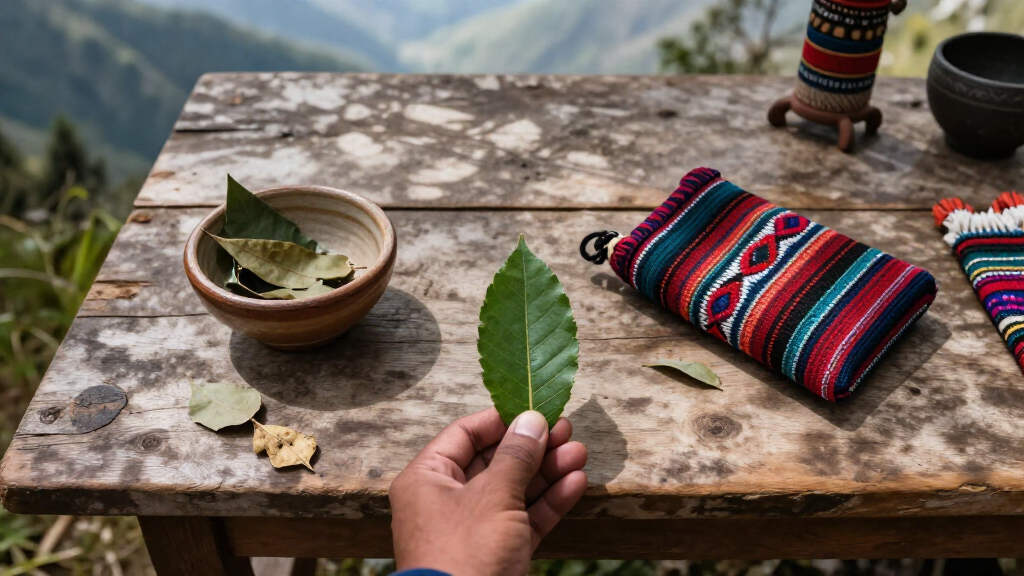
For centuries, indigenous peoples of the Andes have used plants like coca leaves and San Pedro cactus in religious and social rituals. These practices are well-documented ethnographically and are considered integral to spiritual life and community cohesion.
Archaeological evidence from ceremonial sites dating back thousands of years indicates that psychoactive plants were cultivated, processed, and used in rituals that likely reinforced social hierarchies and spiritual beliefs. Recent discoveries of botanical remains and iconography support the idea that such substances had a prominent role in early societal development.
While some scholars have long acknowledged the spiritual significance of these plants, the current trend emphasizes their potential influence on societal structures, leadership, and cultural evolution, a hypothesis gaining traction amid new interdisciplinary research.
As an affiliate, we earn on qualifying purchases.
Unconfirmed Aspects of Psychoactive Influence on Society
Despite the growing interest, many aspects remain unconfirmed. There is limited direct evidence proving that psychoactive drug use directly caused societal development, rather than being a component of broader religious or cultural practices.
Researchers acknowledge that establishing causality is challenging, given the scarcity of direct biochemical evidence linking specific substances to social change. The hypothesis remains a compelling but unproven theory, with ongoing debates about the extent of influence.
As an affiliate, we earn on qualifying purchases.
Future Research Directions on Psychoactive Substances in the Andes
Scholars are expected to pursue more targeted archaeological excavations, biochemical analyses of residues, and ethnobotanical studies to clarify the role of psychoactive plants. Interdisciplinary collaborations are likely to expand, aiming to establish more concrete links between substance use and societal evolution.
Additionally, increased interest from the wider academic community and media may lead to further exploration of indigenous practices and their influence on early civilization formation. The trend suggests that future findings could significantly refine or revise current understanding.
As an affiliate, we earn on qualifying purchases.
Key Questions
What specific psychoactive plants were used in ancient Andean societies?
Plants such as coca leaves and San Pedro cactus are among the most documented psychoactive substances used in religious and social rituals by early Andean peoples.
How strong is the evidence linking drug use to societal development?
Current evidence is largely archaeological and ethnographic, with some scholars proposing a possible influence. However, direct causal links remain unconfirmed and are subject to ongoing research.
Why is this research trend gaining attention now?
Increased interdisciplinary studies combining archaeology, ethnobotany, and biochemical analysis, along with rising media coverage, are fueling interest in the potential role of psychoactive substances in ancient societal development.
Could this change how we view ancient Andean cultures?
Yes, if confirmed, it could lead to a broader understanding of how spiritual practices involving mind-altering drugs influenced social organization, leadership, and cultural innovation in early societies.
Are indigenous communities still using these psychoactive plants today?
Many indigenous communities continue to use plants like coca and San Pedro in traditional rituals, maintaining cultural practices that date back thousands of years. The modern use is often intertwined with spiritual and social identity.
Source: hn
Flea & tick season Picks
flea and tick prevention
As an affiliate, we earn on qualifying purchases.