

Relying solely on “assuming good intent” can backfire by making you dismiss others’ perspectives or misinterpret actions, which can escalate conflicts. Instead, practice pausing and asking clarifying questions to better understand underlying motives. Focus on curiosity over suspicion and avoid jumping to negative conclusions. This approach fosters open dialogue, empathy, and connection. To learn how to navigate this mindset more effectively and turn misunderstandings into opportunities, explore further insights here.
Open a free Amazon Business account
Business pricing, bulk buying and tax-exempt orders.
As an affiliate, we earn on qualifying purchases.
Key Takeaways
- Relying solely on assuming good intent can dismiss valid concerns and hinder honest communication.
- Instead, pause, ask clarifying questions, and consider multiple reasons for others’ actions.
- Focus on curiosity and understanding rather than immediate judgment to foster empathy.
- Use open-ended questions to clarify motives and feelings, reducing misinterpretations.
- Prioritize active listening and dialogue to build trust and prevent conflicts from escalating.

Have you ever found yourself jumping to negative conclusions about someone’s actions without fully understanding their intentions? It’s a common trap that can easily derail relationships and hinder effective communication. When you assume bad motives, you create communication barriers that make conflict resolution more difficult. Instead of working together to find solutions, you might find yourself caught in a cycle of misunderstanding and defensiveness. It’s tempting to think the worst when someone’s words or actions seem off, but rushing to judgment often blinds you to the full story. This approach puts your focus on blame rather than understanding, which can escalate conflicts instead of resolving them.
The “assume good intent” mindset is meant to foster empathy and patience, but it can sometimes lead you astray if you’re not careful. When you automatically believe someone’s actions are malicious or thoughtless, you might dismiss their perspective entirely. That dismissiveness builds walls instead of bridges, making honest communication more challenging. Overcoming these communication barriers requires a conscious effort to pause and seek clarity before jumping to conclusions. Ask yourself: Do I have all the facts? Could there be a reason for their behavior I haven’t considered? Sometimes, what looks like hostility or indifference is just a miscommunication or a moment of stress. Approaching situations with curiosity rather than suspicion opens the door to better understanding and more effective conflict resolution.
Additionally, understanding the importance of communication skills can help you interpret others’ actions more accurately and respond more empathetically. When you encounter a misunderstanding, ask open-ended questions like, “Can you tell me what was happening there?” or “How were you feeling at that moment?” These questions invite dialogue and reduce defensiveness. They also help you uncover underlying reasons behind behaviors, transforming what could be a conflict into an opportunity for connection. When you approach conflicts with this mindset, you’re more likely to find common ground and work toward solutions rather than escalating disagreements.
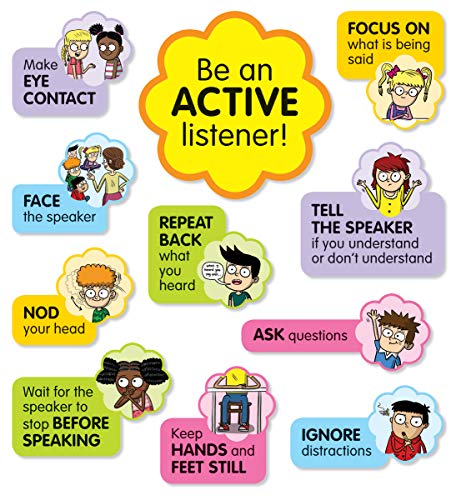
Bulletin Board: Active Listening
- Supports social-emotional learning: Enhances social-emotional skills
- Bright and colorful design: Vivid, eye-catching colors
- Interactive display: Engages users actively
As an affiliate, we earn on qualifying purchases.
As an affiliate, we earn on qualifying purchases.
Frequently Asked Questions
How Can I Recognize When I’M Falling Into the Assume Good Intent Trap?
You recognize you’re falling into the assume good intent trap when you notice misinterpretation risks increasing, and your empathy limits are tested. If you start to jump to conclusions or feel defensive without enough evidence, that’s a sign. Pay attention to your reactions—if they’re based on assumptions rather than facts, you’re likely slipping into this trap. Challenge these thoughts by seeking clarity and considering alternative perspectives.
What Are the Signs That This Mindset Might Be Harmful?
When your trust erodes or misinterpretation dangers increase, it’s a sign that this mindset might be harmful. If you overlook clear issues or excuses, you could be avoiding reality, leading to misunderstandings. This false trust can cause you to ignore red flags, damage relationships, and prevent growth. Recognizing these signs helps you stay grounded, ensuring you don’t fall into the trap that clouds judgment and erodes genuine understanding.
How Does Cultural Difference Influence Perceptions of Intent?
Cultural differences shape how you perceive intent, as cultural nuances influence communication styles and expectations. You might interpret actions through your own perception biases, assuming good or bad intent based on your cultural lens. Recognizing that others’ behaviors are rooted in their cultural context helps you avoid misunderstanding. By staying open-minded and curious, you can navigate these differences more effectively, fostering respectful interactions and reducing misinterpretations rooted in perception biases.
Can Assuming Good Intent Ever Hinder Honest Communication?
Assuming good intent can sometimes hinder honest communication by causing misinterpretation risks. You might overlook genuine issues or avoid difficult conversations, thinking everything’s harmless. To maintain an empathy balance, you should stay open and ask clarifying questions instead of assuming. This approach helps you understand others’ perspectives better, reduces misunderstandings, and fosters more authentic conversations without sacrificing honesty.
What Practical Steps Can I Take to Avoid This Trap?
To avoid this trap, practice mindful reflection before reacting, giving yourself time to contemplate the other person’s perspective. Engage in empathetic listening by truly focusing on their words and emotions without jumping to conclusions. Ask clarifying questions to ensure understanding, and remind yourself that honest communication thrives when you approach conversations with curiosity rather than assumptions. These steps help foster genuine connection and prevent misunderstandings.
As an affiliate, we earn on qualifying purchases.
Conclusion
Remember, assuming good intent can sometimes backfire—studies show that up to 75% of conflicts stem from miscommunication rather than malice. Instead, focus on asking questions and seeking understanding. When you approach situations with curiosity rather than suspicion, you foster trust and collaboration. Switching your mindset can transform how you handle misunderstandings, creating a more positive environment. So, next time, choose to clarify rather than assume, and watch how your relationships and conversations improve.
As an affiliate, we earn on qualifying purchases.
As an affiliate, we earn on qualifying purchases.
Labor Day sales Picks
labor day deals
As an affiliate, we earn on qualifying purchases.