When using heat pumps, thermostat compatibility becomes essential because it guarantees your system communicates properly and operates efficiently. An incompatible thermostat can cause poor performance, inaccurate temperature control, or even damage your equipment. Many smart features rely on compatible communication protocols, like Wi-Fi or Zigbee. If your thermostat isn’t suited for your heat pump’s multi-stage system, you might face energy waste or costly repairs. Keep exploring to discover how to choose the right thermostat for your heat pump setup.

Get school and study supplies delivered free — and shop member deals
- Fast, free delivery on millions of items
- Access to Prime Big Deal Days deals on October 6–7
- Prime Video, Amazon Music and more included
Key Takeaways
- Heat pumps require compatible thermostats that support specific communication protocols for optimal performance.
- Compatibility ensures accurate temperature control and prevents system damage or inefficiencies.
- Smart thermostats with multi-stage system support enhance energy savings and comfort in heat pump setups.
- Incompatibility can lead to poor system operation and limit smart feature functionality.
- Verifying system and thermostat compatibility is essential for seamless integration and reliable operation.
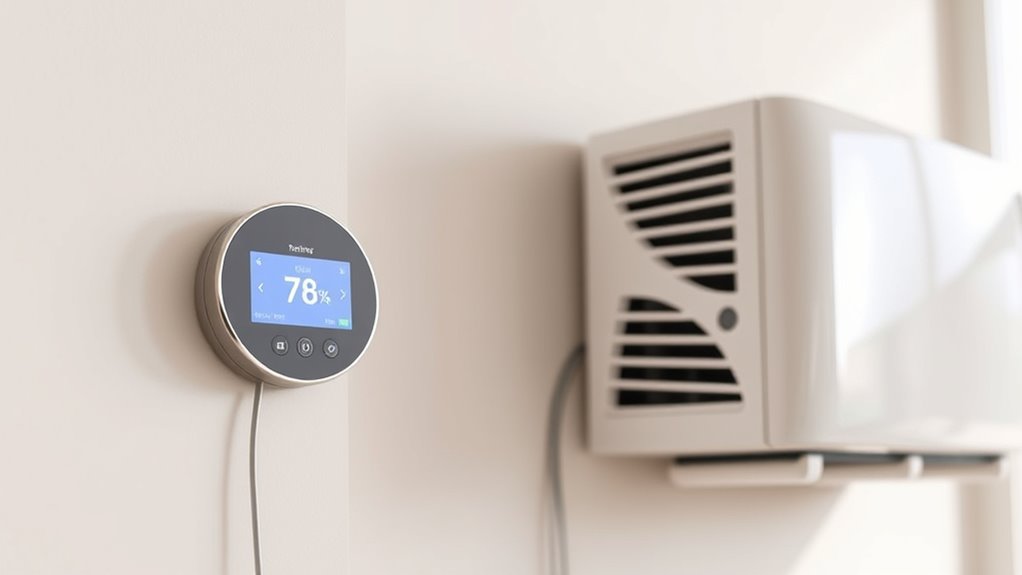
Choosing the right thermostat starts with understanding compatibility. When you’re selecting a new thermostat, especially if you have a heat pump system, it’s essential to consider how well it will integrate with your existing setup. Smart thermostat integration has become increasingly popular because it offers convenience, energy savings, and advanced features. However, not all thermostats are compatible with every system, so you need to check whether the device can communicate effectively with your heat pump. Compatibility with multi-stage systems is another critical factor. Many modern heat pumps operate in multiple stages to optimize efficiency and comfort, but some thermostats only support single-stage systems. If your heat pump has multiple stages, you’ll want a thermostat specifically designed to handle that complexity. Failing to verify this compatibility can lead to poor performance, inaccurate temperature control, or even system damage.
Additionally, understanding system compatibility helps ensure your thermostat can handle the specific demands of your heat pump, preventing costly mistakes. When you focus on smart thermostat integration, you’re opening the door to features like remote control via smartphone, programmable scheduling, and real-time energy monitoring. These features can substantially improve your comfort and help reduce utility bills, but only if your thermostat can seamlessly connect with your heat pump. Many advanced thermostats use Wi-Fi or Zigbee/Zigbee-like protocols to communicate with compatible HVAC systems. Before purchasing, you should verify whether the thermostat supports your specific model of heat pump and whether it can integrate with your home’s smart home ecosystem. Compatibility is often listed in product specifications, but it’s always a good idea to consult with an HVAC professional or check the manufacturer’s recommendations to avoid surprises after installation.
For multi-stage systems, compatibility becomes even more crucial. These systems can have two, three, or more stages of heating and cooling, which means the thermostat must be capable of managing these multiple levels efficiently. A thermostat that’s incompatible with multi-stage systems might only control the first stage, leaving the higher stages unresponsive, which can compromise your comfort and increase energy costs. Look for thermostats explicitly labeled as compatible with multi-stage heat pumps, and ensure they support the number of stages your system has. This ensures smooth operation, precise temperature management, and energy efficiency gains.
Frequently Asked Questions
Can Any Thermostat Control a Heat Pump Effectively?
Not all thermostats can regulate a heat pump effectively. You need a thermostat with proper wiring and compatibility features designed for heat pumps. If your thermostat isn’t compatible, you’ll face wiring compatibility issues, making it difficult to operate your system efficiently. Check the thermostat’s specifications and ensure it’s compatible with heat pumps before installation, or you might experience inconsistent heating and cooling.
Do Heat Pumps Require Specialized Thermostats?
Did you know that nearly 80% of thermostat wiring issues stem from compatibility problems? Heat pumps often need specialized thermostats because standard models may lack the right wiring or features. These thermostats are designed to handle the unique demands of heat pump systems, ensuring proper operation and energy efficiency. Without a compatible thermostat, you risk malfunctions or reduced performance, so investing in one is vital for essential heat pump function.
How Does Thermostat Compatibility Affect Energy Efficiency?
Thermostat compatibility directly impacts your energy savings and climate control. When your thermostat works seamlessly with your heat pump, it can precisely manage temperature settings and optimize operation. This efficiency reduces energy waste and lowers utility bills. Using a compatible thermostat allows you to take full advantage of your heat pump’s capabilities, ensuring consistent comfort and better energy management. Upgrading to a compatible thermostat is a smart step toward more efficient climate control.
Are Smart Thermostats Compatible With All Heat Pumps?
Think of smart thermostats as skilled musicians trying to harmonize with various instruments. They aren’t compatible with all heat pumps, especially legacy thermostats on older systems. You’ll find some smart models work seamlessly, while others require adapters or upgrades. If you have an older system, check compatibility first. Otherwise, you might need to replace your legacy thermostat to enjoy the full benefits of smart technology and best energy control.
What Features Should I Look for in a Heat Pump-Compatible Thermostat?
When selecting a heat pump-compatible thermostat, look for zoning options and humidity control features. Zoning allows you to customize temperatures in different areas, boosting comfort and efficiency. Humidity control helps maintain ideal indoor air quality and prevents issues like mold. Make certain the thermostat is compatible with your heat pump model and offers easy connectivity to your smart home system. These features maximize comfort, energy savings, and overall system performance.
Conclusion
In the end, understanding thermostat compatibility with heat pumps can feel like discovering a new rhythm in your home’s comfort. Once you find the perfect match, everything just flows more smoothly, making your daily routine a bit more effortless. With the right setup, you’ll enjoy cozy warmth and cool breezes without a hitch. So, embrace the journey—your home’s new harmony is just a compatible thermostat away.
Halloween Picks
halloween
As an affiliate, we earn on qualifying purchases.