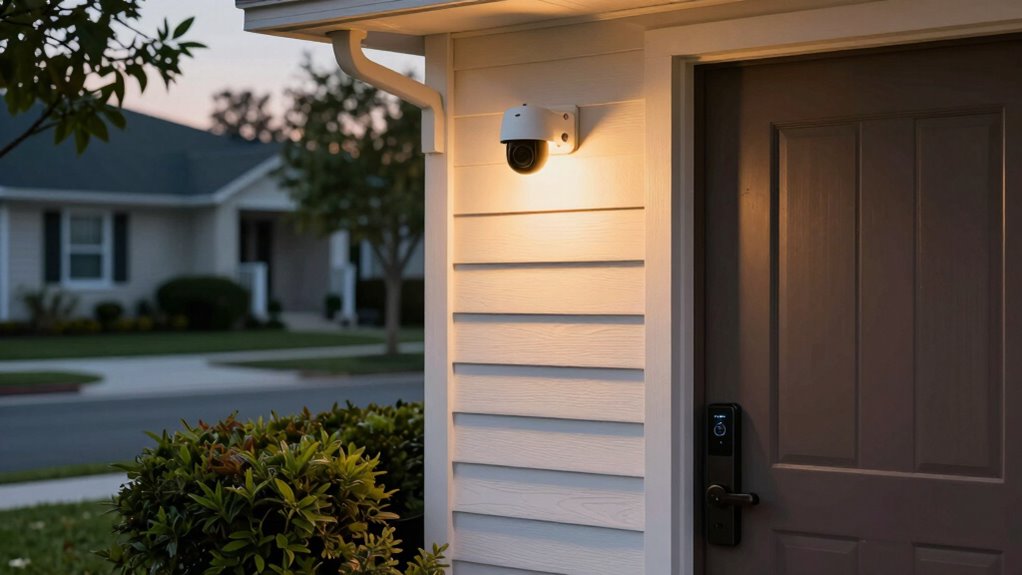

To match your home security to actual risks rather than fear, start by evaluating your neighborhood’s crime statistics and recent security breaches. Focus on reinforcing vulnerable entry points, trimming back hiding spots, and using lighting to deter intruders. Choose surveillance tech wisely—placing cameras in key areas—and avoid over-investing in unnecessary gadgets. Develop a flexible security plan rooted in realistic threats. Keep exploring strategies that align with your specific environment to truly protect your home efficiently.

Prime made for students and young adults
- Fast, free delivery for dorm and study essentials
- Prime Video and Amazon Music included
- Member-only deals
Key Takeaways
- Assess neighborhood crime data and recent incidents to identify genuine threats specific to your area.
- Reinforce vulnerable entry points and eliminate cover to deter intruders effectively.
- Install cameras and detection tools only at high-risk areas to optimize security without unnecessary costs.
- Balance prevention and detection measures based on actual risks rather than perceived threats.
- Develop a flexible security plan that adapts to changing environment and crime trends.
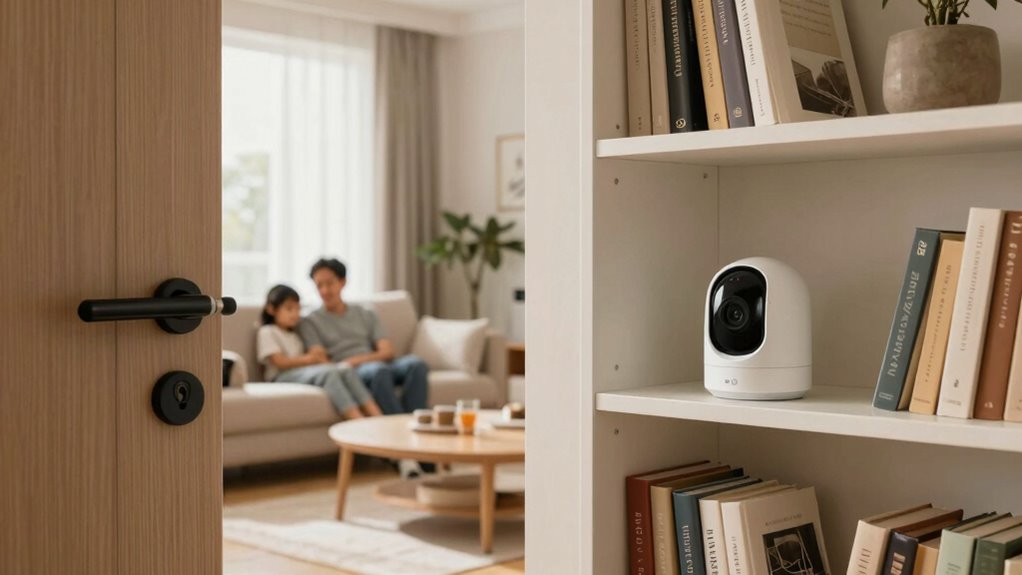
Many homeowners focus on high-tech alarms and cameras, but understanding the real risks is essential to effective home security. Instead of getting caught up in flashy gadgets, you need to identify what threats are most likely to target your home. Not every neighborhood faces the same dangers, and over-investing in features that don’t match your specific risks can leave you vulnerable or waste resources. Start by evaluating your environment: consider crime statistics in your area, the layout of your neighborhood, and any recent security breaches nearby. This will help you prioritize what security measures matter most.
Focus on your specific risks and environment to prioritize effective, tailored home security measures.
Intrusion prevention is a key element in tailoring your security to real risks. Rather than relying solely on alarms that sound after a break-in occurs, focus on preventing intrusions altogether. Reinforce weak entry points like doors and windows with sturdy locks, security bars, and solid frames. Lighting plays an essential role as well—well-lit exteriors deter burglars who prefer to operate unseen. Sometimes, simple measures like trimming back bushes or removing objects that provide cover can make it harder for intruders to approach unnoticed. Remember, the goal isn’t just to detect a threat but to make it difficult enough to discourage attempts entirely. Understanding the importance of environmental factors such as neighborhood layout and local crime trends can help you develop a more targeted security approach.
Surveillance technology is another tool you can use wisely once you understand your specific risks. While many homeowners think more cameras mean better security, that’s not always the case. Instead, focus on strategic placement—covering vulnerable entry points and high-traffic areas. Modern surveillance systems often include remote access, so you can monitor your property from anywhere, giving you peace of mind without unnecessary clutter. Quality video feeds can also serve as vital evidence if an incident occurs, but only if you’re clear about what you’re trying to prevent. High-definition cameras with motion detection are more effective than dozens of outdated, unused cameras that add noise rather than clarity.
Ultimately, matching your home security to real risk means balancing prevention and detection. It’s about making your home less attractive to intruders and ensuring you’re prepared if the worst happens. Don’t fall into the trap of fear-driven spending on every new gadget—invest thoughtfully, focusing on intrusion prevention strategies and surveillance technology that align with your actual threat level. By doing so, you create a security plan that’s practical, effective, and adaptable, giving you confidence and peace of mind rooted in reality, not fear.
As an affiliate, we earn on qualifying purchases.
Frequently Asked Questions
How Often Should I Update My Home Security System?
You should update your home security system at least once a year, aligning with regular security system maintenance. Also, conduct risk assessment strategies periodically to identify new vulnerabilities. Keep software and firmware up to date, replace outdated hardware, and review your security measures based on recent crime patterns or changes in your household. Regular updates guarantee your system remains effective and tailored to your current risk level, keeping your home safer.
What Are Affordable Security Options for Renters?
Like a shield that’s lightweight yet strong, affordable security options for renters exist. You can install wireless cameras, smart locks, and door/window sensors easily without violating rental restrictions. Many of these solutions are budget-friendly and require no permanent modifications, making them perfect for renters. Look for options that are portable and easy to remove, ensuring you can secure your home effectively without risking your security deposit or violating lease terms.
How Can I Evaluate the Actual Risk in My Neighborhood?
You can evaluate the actual risk in your neighborhood by checking neighborhood crime statistics online or through local police reports. Visit local safety resources, such as community centers or neighborhood watch groups, to gather firsthand insights. Talk to neighbors about their experiences and observe common safety concerns. This approach helps you understand real risks, allowing you to make informed security decisions without overreacting to fear.
Do Security Cameras Prevent Break-Ins or Just Record Incidents?
Security cameras primarily record incidents, but their effectiveness in preventing break-ins varies. Visible cameras can deter burglars, making them think twice before targeting your home. However, their recording limitations mean they do little to stop a crime once it’s underway. To maximize camera effectiveness, combine them with other security measures like alarms and neighborhood watches, creating multiple layers of protection that work together to prevent break-ins rather than just document them.
What Legal Considerations Exist for Installing Security Devices?
You need to guarantee legal compliance and address privacy concerns when installing security devices. Check local laws about recording audio or video, especially in shared or public areas. Inform visitors if they’re being recorded, and avoid invasive monitoring. Keep clear records of your permissions and installation practices. By respecting privacy rights and following legal guidelines, you can effectively secure your home without risking legal issues or infringing on others’ privacy.
motion detection security cameras
As an affiliate, we earn on qualifying purchases.
As an affiliate, we earn on qualifying purchases.
Conclusion
Remember, safeguarding your home isn’t about summoning the vigilance of a knight guarding a castle, but about understanding the true perils you face. By matching your security measures to actual risks, you create a fortress built on insight, not fear. Like a seasoned sailor steering through treacherous waters, you steer wisely through the storm, ensuring safety without overreacting. Trust your judgment, stay informed, and let your home be a haven, not a fortress of unnecessary worry.
As an affiliate, we earn on qualifying purchases.
As an affiliate, we earn on qualifying purchases.
Halloween Picks
halloween
As an affiliate, we earn on qualifying purchases.