
To determine if you’ll actually use high-end wellness gear, consider its durability, design, and how well it fits into your daily routine. Ask yourself if it’s easy to set up, comfortable, and motivating enough to keep you engaged long-term. Think about whether it aligns with your goals and feels accessible. If it checks these boxes, you’re more likely to stick with it. Keep exploring to uncover how to make sure your investment pays off.

Prime made for students and young adults
- Fast, free delivery for dorm and study essentials
- Prime Video and Amazon Music included
- Member-only deals
Key Takeaways
- Assess if the gear’s design motivates and appeals to your personal taste to ensure consistent use.
- Confirm the equipment’s ease of setup and comfort to facilitate regular integration into your routine.
- Consider if the product’s durability and low maintenance support long-term use and value.
- Determine if the gear aligns with your fitness goals and lifestyle for seamless incorporation.
- Evaluate whether the product’s motivational features encourage ongoing engagement and habit formation.
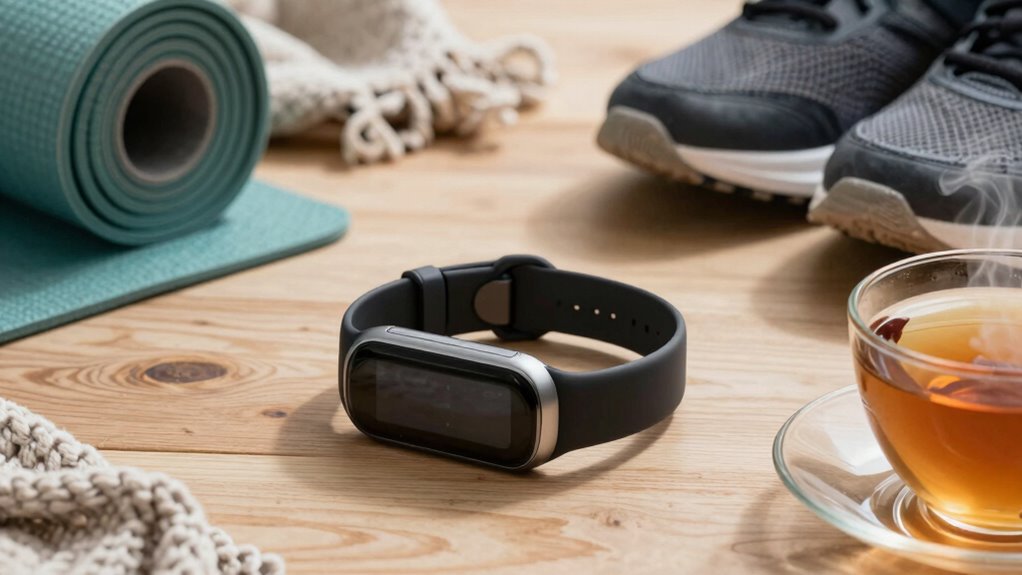
Have you ever bought wellness gear only to find it gathering dust in a corner months later? It’s a common experience, and one that makes you question whether the investment was worth it. When considering premium wellness gear, one of the most important factors is product durability. If a piece of equipment isn’t built to last, you might end up replacing it sooner than expected, which defeats the purpose of investing in quality. Durable gear not only withstands regular use but also maintains its functionality and appearance over time. That way, you won’t feel like you’re throwing money away on something that quickly falls apart.
But durability isn’t just about material quality; it’s also about your motivation to use the gear consistently. Sometimes, even the best equipment sits unused because your enthusiasm wanes or you doubt your ability to stick with a routine. That’s why it’s crucial to choose wellness gear that genuinely motivates you. For example, if you’re more likely to stick with a workout routine using a sleek, modern design that appeals to your taste, you’ll be more inclined to use it regularly. The right gear should inspire you to get moving, not add an extra barrier to your fitness journey.
When testing wellness gear, ask yourself if it’s user-friendly and if it genuinely fits into your lifestyle. If it’s complicated to set up or uncomfortable to use, your motivation will quickly fade. Think about how the product feels during use—does it make exercising easier or more enjoyable? If it boosts your confidence or makes you look forward to workouts, you’re more likely to keep it in regular rotation. Remember, the best wellness gear is the one you want to use, not just the one that looks good on paper.
It’s also smart to consider how well the gear aligns with your goals. If you’re aiming for consistency, gear that’s easy to maintain and store will help you stay committed. The more seamlessly it fits into your daily routine, the more likely you are to reach your health objectives. Ultimately, the “Will I Actually Use It?” test is a combination of evaluating product durability and how much it fuels your user motivation. When both elements are in sync, you’re not just investing in equipment—you’re investing in a sustainable wellness habit. Understanding the importance of product durability can help you make more informed choices and avoid unnecessary waste. Additionally, assessing the long-term usability of wellness gear ensures that you’re selecting items that will stand the test of time, both physically and in your motivation to keep using them. Recognizing the significance of material quality can further guide your selections, ensuring your investment is truly worthwhile. Considering user motivation is equally essential, as it directly impacts your consistency and overall satisfaction with your wellness routine. So, before making a purchase, reflect on whether this gear will stand the test of time and whether it will keep you motivated in the long run.
durable wellness exercise equipment
As an affiliate, we earn on qualifying purchases.
As an affiliate, we earn on qualifying purchases.
Frequently Asked Questions
How Long Should I Test a Wellness Product Before Deciding?
You should test a wellness product for at least four to six weeks to assess its product longevity and whether it fits into your routine. During this period, commit to consistent usage, noting any benefits or issues. If you don’t see meaningful results or feel motivated to keep using it within that time, it’s likely not the right fit. This timeframe helps you make an informed decision about your usage commitment.
Can the “Will I Actually Use It?” Test Apply to Fitness Apps?
Yes, the “Will I Actually Use It?” test applies well to fitness apps. Studies show 80% of users abandon apps within five months. Consider how technology integration enhances your experience, making workouts more engaging. Also, social motivation features like challenges or community support can boost your commitment. If you’re unlikely to use the app daily or don’t value these features, it’s probably not worth investing your time in.
What if My Lifestyle Changes After Purchasing the Gear?
If your lifestyle changes after buying wellness gear, it’s important to ensure its adaptability to your new routine. Focus on future planning by choosing versatile, adjustable gear that can evolve with you. This way, you stay motivated and avoid waste. Staying flexible in your approach ensures the equipment remains useful, helping you maintain your wellness goals regardless of lifestyle shifts. Always prioritize gear that supports your ongoing adaptability.
How Do I Track Whether I Actually Use the Wellness Gear?
To track whether you actually use your wellness gear, set specific goals and keep a journal or use an app to log your activity. This helps build habit formation and keeps your motivation levels high. Regularly review your progress to stay accountable, and celebrate small wins. By consciously tracking your usage, you’ll see if the gear genuinely integrates into your routine or if adjustments are needed to boost consistency.
Are There Specific Indicators That Suggest I Won’T Use a Product?
Think of your interest waning as a red flag waving in the wind. If you notice a lack of brand loyalty, it’s a sign you might not stick with the product long-term. Also, if the product feels flimsy or lacks durability, your motivation to use it could fade fast. These indicators suggest you might not truly engage with the gear, so choose items that inspire long-term commitment and feel built to last.
As an affiliate, we earn on qualifying purchases.
Conclusion
Before you invest, ask yourself if you’ll actually use that wellness gear—think of it as planting a seed in a garden. If you’re excited to nurture it daily, it’ll grow into something meaningful. But if your interest wilts at the thought, it’s likely better to leave it on the shelf. Keep your wellness journey lively and true to you—like a garden that flourishes with care, not clutter. Choose what truly nurtures your well-being.
motivational workout accessories
As an affiliate, we earn on qualifying purchases.
As an affiliate, we earn on qualifying purchases.
As an affiliate, we earn on qualifying purchases.
Halloween Picks
halloween
As an affiliate, we earn on qualifying purchases.