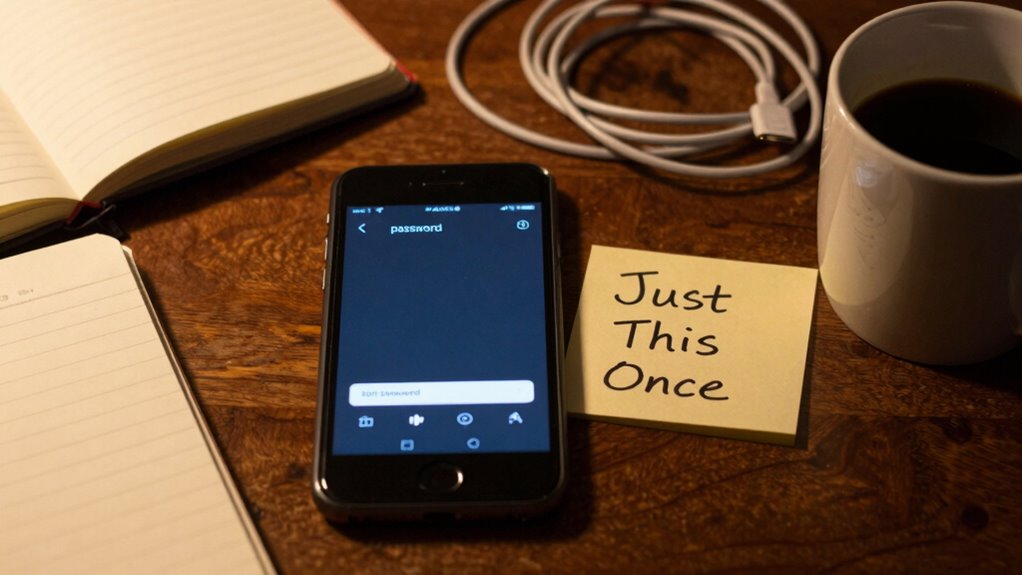

When you click “Just This Once” on suspicious links or ignore security alerts, you weaken your digital safety. This habit creates vulnerabilities hackers can exploit, making it easier for malware infections, account breaches, or identity theft. Ignoring security measures might seem harmless, but it adds up over time and can lead to serious consequences. Stay cautious and respect security prompts if you want to stay protected—keep going to learn how to strengthen your defenses even further.

Prime made for students and young adults
- Fast, free delivery for dorm and study essentials
- Prime Video and Amazon Music included
- Member-only deals
Key Takeaways
- Clicking “Just This Once” on suspicious links can install malware or ransomware.
- Bypassing security prompts increases vulnerability to hacking and unauthorized access.
- Ignoring security warnings can lead to compromised accounts and data breaches.
- Repeatedly dismissing alerts fosters complacency, weakening overall digital defenses.
- Such habits enable hackers to exploit vulnerabilities and escalate cyber threats over time.

Many people believe that clicking “Just This Once” on a suspicious link or skipping security steps won’t hurt, but this habit dangerously weakens your digital safety. When you dismiss alerts or bypass security measures, you create vulnerabilities that hackers can exploit. One common mistake is password reuse. If you use the same password across multiple accounts, a single breach can give cybercriminals access to everything linked to that password. When you click suspicious links or ignore security prompts, you increase the chances of your account credentials being compromised. Once a hacker gains access to one account, they can move laterally to others, especially if you haven’t adopted unique passwords for each platform.
Your habit of ignoring security warnings also impacts your anonymity risks. Many people underestimate how easily personal data can be traced or misused online. When you skip steps or click through warnings without caution, you expose details that could be used to identify you. This lack of caution can lead to your online activities being linked back to your real identity, increasing the chances of targeted phishing, scams, or identity theft. The more you disregard these security measures, the more your online activity becomes vulnerable to being tracked or compromised, reducing your anonymity and making it easier for malicious actors to build profiles about you. Additionally, neglecting security awareness can cause you to overlook emerging threats and vulnerabilities. Recognizing cybersecurity threats early is crucial for maintaining your digital safety. Developing security habits is essential for long-term protection against evolving threats.
Moreover, that small act of clicking “Just This Once” can have bigger consequences than you realize. It might seem harmless in the moment, but it can open the door to malware infections, ransomware attacks, or data leaks. These threats aren’t always immediate; they can quietly compromise your device or steal sensitive information over time. Each time you skip security steps, you’re fundamentally lowering your defenses, making it easier for cybercriminals to succeed. This is especially risky if you’re handling sensitive information such as financial details or personal identifiers. The cumulative effect of these small decisions can considerably undermine your digital security, leaving your data exposed or your devices compromised.
Additionally, neglecting security best practices such as enabling two-factor authentication can significantly reduce your vulnerability to cyberattacks. In the end, the habit of dismissing security warnings or clicking “Just This Once” isn’t just a momentary oversight—it’s a pattern that chips away at your online safety. Protecting yourself means taking security seriously, using strong, unique passwords, and respecting the security measures designed to keep you safe. Remember, cyber threats are constantly evolving, and what seems like a minor slip-up today could lead to serious consequences tomorrow. Stay vigilant, follow best practices, and never underestimate the importance of each security step in safeguarding your digital life.
password manager for secure passwords
As an affiliate, we earn on qualifying purchases.
As an affiliate, we earn on qualifying purchases.
Frequently Asked Questions
How Does One Recognize if They’Re Developing a “Just This Once” Habit?
You recognize you’re developing a “just this once” habit when you notice a decline in security mindfulness, often skipping password updates or ignoring two-factor authentication. Habit formation can lead you to justify risky behaviors, thinking it’s okay “just this once.” Stay alert for these patterns, and remind yourself that consistent security habits build stronger digital safety. Catching these tendencies early helps prevent weak links in your security defenses.
What Are Common Digital Safety Risks Associated With This Habit?
You open yourself up to risks like password reuse and unsecured Wi-Fi when you think “just this once.” These habits can lead to data breaches, hacking, or identity theft. Using the same password across platforms makes it easier for cybercriminals to access multiple accounts. Connecting to unsecured Wi-Fi networks exposes your personal information to eavesdroppers. Stay vigilant; a small slip can snowball into big security issues.
Can Small Lapses Significantly Impact Overall Digital Security?
Yes, small lapses can considerably impact your digital security. Password complacency and update neglect create vulnerabilities that hackers exploit. Ignoring these minor issues might seem harmless, but they accumulate over time, weakening your defenses. This complacency can lead to data breaches or identity theft. Staying vigilant by regularly updating passwords and avoiding complacency helps maintain strong digital security, preventing small lapses from turning into major problems.
How Can Individuals Break the “Just This Once” Mindset?
To break the “just this once” mindset, you need to banish password complacency and privacy neglect. Build better habits by setting strong, unique passwords for every account, and use password managers for safety. Remember, small slips can snowball into serious security breaches. Stay vigilant, practice persistence, and prioritize privacy. By consciously choosing caution over complacency, you safeguard your digital life and reinforce resilient routines.
Are Certain Digital Activities More Vulnerable to This Habit?
Certain digital activities are more vulnerable to this habit, especially online complacency and password complacency. When you think, “just this once,” you might skip security steps like updating passwords or avoiding suspicious links. This mindset lowers your guard, making accounts easier targets for hackers. To stay safe, remain vigilant during all online activities, consistently practicing good security habits instead of assuming one-time actions won’t matter.
two-factor authentication device
As an affiliate, we earn on qualifying purchases.
As an affiliate, we earn on qualifying purchases.
Conclusion
Think of your digital safety as a fortress. Every time you say, “just this once,” you’re opening a small gate, letting in shadows that can weaken your walls. Over time, these cracks grow, and the fortress becomes vulnerable. If you want to keep the castle secure, you must resist the urge to open those gates, even once. Guard your digital kingdom fiercely—one cautious step now keeps the entire fortress safe tomorrow.
As an affiliate, we earn on qualifying purchases.
As an affiliate, we earn on qualifying purchases.
Halloween Picks
halloween
As an affiliate, we earn on qualifying purchases.