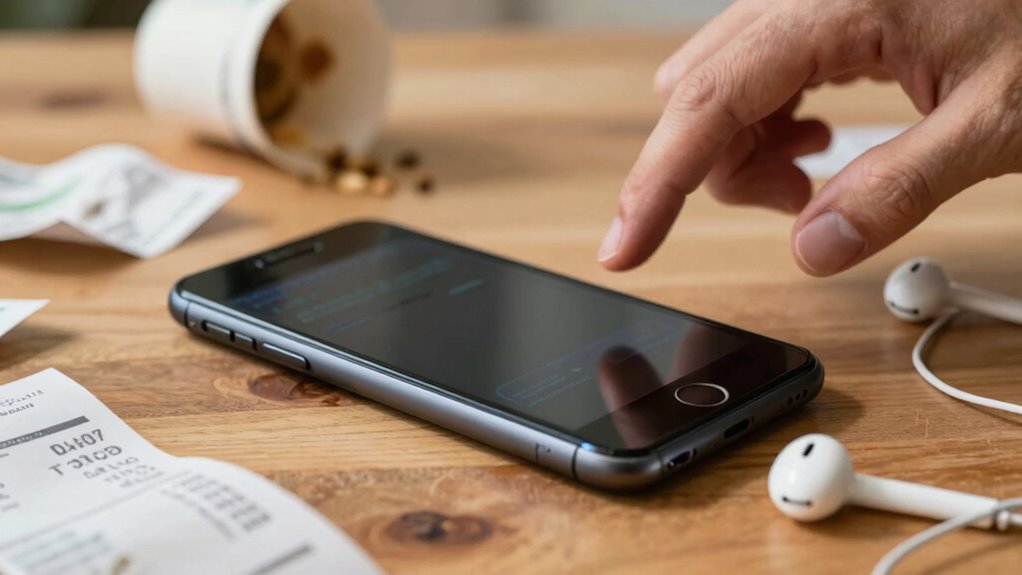

If your phone goes missing, act immediately within the first 30 minutes to boost your chances of recovery. Stay calm, use tracking tools like Find My iPhone or Google’s Find My Device, and try to locate it if nearby. Contact your service provider to suspend service or lock your device, and alert social media contacts to watch for any suspicious activity. Prioritize your safety over retrieval; staying prepared helps you respond faster. Keep going to learn more about effective steps to take.
Open a free Amazon Business account
Business pricing, bulk buying and tax-exempt orders.
As an affiliate, we earn on qualifying purchases.
Key Takeaways
- Act within 30 minutes by using device tracking tools and contacting service providers immediately.
- Stay calm, take a deep breath, and focus on locating the device quickly.
- Use Find My iPhone, Find My Device, or similar services to pinpoint the phone’s location.
- Notify social media contacts and post a brief message to gather assistance or clues.
- Document all actions taken and coordinate with authorities if necessary for safe recovery.
Losing your phone can be stressful, but having a clear protocol in place helps you respond quickly and effectively. The first 30 minutes are vital, so acting fast can make all the difference. The moment you realize your phone is missing, take a deep breath and start by attempting to locate it using device tracking features. Most smartphones come with built-in tools like Find My iPhone or Google’s Find My Device, which can help you pinpoint your phone’s location if it’s powered on and connected to the internet. Access these services from a computer or another device and log in with your account credentials. If your phone is nearby, these tools can guide you directly to its location.
While device tracking is essential, don’t forget to alert your social media contacts if you suspect theft or that your phone might be stolen. Post a quick alert on your social media platforms, asking friends to be on the lookout for your phone or any suspicious activity. Sometimes, social media can help you gather clues or get assistance from someone nearby who may have seen your device. Be cautious about sharing too many details publicly, but a simple message can increase your chances of recovering your phone quickly.
In the first few minutes, also consider contacting your service provider. They can suspend your service temporarily to prevent unauthorized use and may offer additional options such as remote locking or wiping your device to protect your data. Many carriers have dedicated hotlines for lost or stolen phones, so calling them promptly can save you from potential financial or privacy risks.
If your device tracking shows a location, don’t rush to retrieve it yourself if the situation seems risky. Instead, coordinate with local authorities or security personnel. Avoid trying to retrieve your phone from a potentially dangerous location; your safety is more important. Keep monitoring the device’s location if it remains active, and stay in touch with police or security contacts until the situation is resolved.
Throughout this initial half-hour, document your steps. Keep a record of where you’ve checked, who you’ve contacted, and any updates from device tracking or social media alerts. This organized approach guarantees you don’t waste precious time repeating efforts or missing vital information. Acting swiftly within these first moments maximizes your chances of recovering your phone intact and minimizes potential damage or data loss. Remember, quick and deliberate action is your best tool in turning a stressful situation into a manageable one. Additionally, understanding the safe handling of electronic devices can prevent further complications or data breaches during this process.
As an affiliate, we earn on qualifying purchases.
Frequently Asked Questions
How Can I Prevent My Phone From Being Stolen?
To prevent your phone from being stolen, follow these security tips and theft prevention strategies. Always keep your phone close and avoid displaying it in crowded areas. Use a strong passcode or biometric lock, and enable tracking features like Find My Phone. Be cautious when sharing your location, and stay aware of your surroundings. These steps help protect your device and reduce the risk of theft.
What Should I Do if I Find a Lost Phone?
When you find a lost phone, you should prioritize privacy concerns and act ethically. Turn off notifications and avoid accessing personal data to respect the owner’s privacy. Try to locate the owner’s contact info, such as an emergency contact or a visible sticker, and notify them or hand the device to authorities or lost-and-found. Always consider ethical considerations and avoid using or sharing any personal information found on the device.
Are There Legal Considerations When Tracking a Lost Device?
Think of tracking a lost device like crossing a busy street—you need to follow safety rules. Legally, you must respect privacy laws and avoid unauthorized tracking, which could lead to legal trouble. For example, using official tracking features with the owner’s permission is legal, but secretly spying on someone isn’t. Always stay within legal boundaries to protect privacy rights and avoid potential lawsuits.
How Effective Are Remote Wipe Features?
Remote wipe features are highly effective if your device has device encryption enabled. When you activate remote wipe, it erases all data, making it nearly impossible for anyone to access your information. The combination of remote wipe and device encryption guarantees your data stays protected, even if the device falls into the wrong hands. Just remember, acting quickly within the first 30 minutes increases the chances of success.
What Signs Indicate My Phone Has Been Compromised?
If your phone has been compromised, you’ll notice signs like unexpected battery drain, unusual data usage, or strange apps appearing. You might experience phone malware that causes these issues or suspect unauthorized access through unfamiliar login activity. Keep an eye out for pop-ups, slow performance, or unfamiliar messages. These clues suggest your device’s security has been breached, so act quickly to secure your data and prevent further damage.
Google Find My Device key finder
As an affiliate, we earn on qualifying purchases.
As an affiliate, we earn on qualifying purchases.
Conclusion
Remember, acting quickly is like catching a falling glass—you don’t want to wait until it’s shattered. The first 30 minutes are vital; the faster you respond, the better your chances of recovering your phone. Stay calm, follow the protocol, and don’t hesitate to seek help if needed. Your swift action can be the difference between a lost device and a quick recovery. Think of it as saving a precious keepsake before it’s gone for good.
As an affiliate, we earn on qualifying purchases.
As an affiliate, we earn on qualifying purchases.
College move-in / dorm season Picks
dorm essentials
As an affiliate, we earn on qualifying purchases.