

To determine how long you should keep video footage, you need to consider legal requirements, jurisdictional rules, and the type of case involved. Retaining footage ensures it remains available for investigations and court proceedings, helping maintain evidence integrity. Keeping footage too long or too short can pose legal or privacy issues. By understanding best practices and regulations, you can manage your video evidence effectively—discover more insights that can help you stay compliant and prepared.
Key Takeaways
- Storage durations depend on legal requirements, jurisdiction, and case type, ranging from months to several years.
- Retain footage long enough for potential investigations or legal proceedings, especially in criminal cases.
- Improperly deleting footage prematurely can jeopardize evidence integrity and legal compliance.
- Securely store and document footage handling to prevent tampering and ensure admissibility in court.
- Regularly review and update retention policies to align with evolving laws and best practices.

Have you ever wondered how video evidence plays a essential role in legal and investigative processes? When it comes to handling footage, understanding the storage duration is paramount. The length of time you’re required or allowed to keep video evidence isn’t arbitrary; it’s often dictated by legal requirements, which vary depending on the jurisdiction and the nature of the case. Knowing these rules helps guarantee that you’re prepared should the footage be needed in court or during an investigation. Typically, legal standards specify minimum retention periods for different types of cases, such as criminal, civil, or regulatory matters. For example, criminal cases might require storing footage for several years after the conclusion of a case, while other situations may have shorter or longer timeframes.
Storing video evidence properly is essential not just for compliance but also for maintaining the integrity of the footage. If you delete or lose evidence prematurely, it could jeopardize an investigation or legal proceeding. Conversely, holding onto footage longer than necessary might lead to storage issues or privacy concerns, especially if the footage contains sensitive information. That’s why many organizations and legal frameworks recommend setting clear policies about how long to retain video evidence and guaranteeing these policies are aligned with legal requirements. These policies often specify not only how long to keep footage but also how to securely store it, who has access, and how to document its handling. Additionally, proper storage often involves following data protection guidelines to prevent unauthorized access or alteration.
Moreover, understanding the legal requirements for storage duration helps shield you from potential legal disputes or claims of evidence tampering. In some cases, courts may demand proof that footage was preserved in its original form and wasn’t altered or deleted prematurely. This underscores the importance of maintaining detailed records of when and how footage was stored, accessed, and reviewed. It’s also wise to consult with legal professionals or compliance experts familiar with the specific regulations that apply to your industry or jurisdiction. They can advise you on the appropriate retention periods and best practices for storing video evidence.

Ring Alarm 14-Piece Kit (newest model), Wireless smart home or business security system, expandable, easy setup, Mobile App Control, 24/7 Professional Monitoring, Alexa Compatible
A great fit for 2-4 bedroom homes, this Alarm Kit includes one Base Station, two Keypads, eight Contact...
As an affiliate, we earn on qualifying purchases.
Frequently Asked Questions
Can Video Footage Be Legally Deleted Before the Retention Period Ends?
You can delete video footage before the retention period ends only if it conforms to legal requirements and policies. Always check your organization’s retention policies and legal obligations before proceeding with video deletion. Doing so ensures legal compliance and prevents potential issues, such as accusations of tampering or wrongful destruction of evidence. When in doubt, consult legal counsel to confirm that early video deletion won’t violate any laws or regulations.
How Does Video Quality Affect Storage Duration Requirements?
Higher video quality, like increased resolution standards, generally demands more storage space, so it may extend your retention needs. Video compression helps reduce file sizes without sacrificing too much quality, allowing you to keep footage longer. If you capture high-resolution footage, you’ll need more storage capacity and potentially longer retention periods. Balancing video quality with compression techniques guarantees you meet legal requirements while managing storage efficiently.
Are There Industry-Specific Standards for Video Footage Retention?
Industry-specific standards for footage management are like a map guiding your retention policies. You need to adhere to industry compliance requirements, which dictate how long you keep footage to meet legal and regulatory obligations. For example, healthcare and finance sectors often have stricter retention periods. Staying up-to-date ensures your footage management aligns with these standards, helping you avoid risks and maintain proper records. Always check the specific regulations relevant to your industry.
What Are the Privacy Implications of Keeping or Deleting Video Evidence?
You need to consider privacy concerns and data security when deciding to keep or delete video evidence. Keeping footage longer than necessary risks exposing sensitive information and violating privacy rights, while deleting too soon might compromise investigations. To protect individuals’ privacy, guarantee secure storage and establish clear retention policies aligned with legal requirements. Regularly review footage, delete it when appropriate, and implement safeguards to prevent unauthorized access.
How Do Different Storage Formats Impact Footage Preservation Timelines?
They say “a picture is worth a thousand words,” and it’s true for digital storage too. Different formats impact footage durability; for example, raw or uncompressed files last longer because they’re less prone to corruption. Compressed formats save space but may degrade over time. So, choose your digital storage carefully to guarantee your footage’s longevity, considering how each format affects preservation timelines and overall integrity.

Ring Alarm 8-Piece Kit (newest model), Home or business security system with optional 24/7 professional monitoring
A great fit for 1-2 bedroom homes, this kit includes one base station, one keypad, four contact sensors,...
As an affiliate, we earn on qualifying purchases.
Conclusion
Remember, storing video footage isn’t just about legal compliance—it’s about protecting yourself too. Most organizations keep footage for at least 30 to 90 days, but some hold onto it longer for investigations or legal reasons. Did you know that over 60% of businesses report a significant increase in security breaches when footage is deleted too soon? Stay proactive, know your retention policies, and always keep footage long enough to support your safety and legal needs.
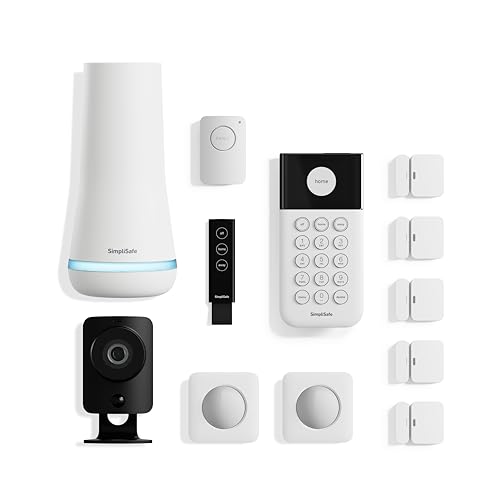
SimpliSafe 12 Piece Wireless Home Security System w/HD Camera - Optional 24/7 Professional Monitoring - No Contract - Compatible with Alexa and Google Assistant, White
Simple to set up. Seriously secure. Get ready to protect right out of the box. Just plug in...
As an affiliate, we earn on qualifying purchases.

SimpliSafe 10 Piece Wireless Home Security System with Outdoor Camera- Optional 24/7 Professional Monitoring - No Contract - Compatible with Alexa and Google Assistant
Simple to set up. Seriously secure - Get ready to protect right out of the box.
As an affiliate, we earn on qualifying purchases.