

Late fees happen when you miss a payment deadline or pay after the grace period, which is a set timeframe usually ranging from five to fifteen days. To avoid them, set reminders, pay early, or use automatic payments. Make sure you understand your specific billing terms and note the grace period to stay on top of due dates. Keep in mind, knowing what triggers late fees can save you money—if you look further, you’ll find even more tips to stay ahead.
Key Takeaways
- Late fees are triggered when a payment is made after the due date or within the grace period, if provided.
- Understanding your account’s specific payment terms and grace periods helps prevent unexpected late fees.
- Setting reminders, automatic payments, or paying early can effectively avoid late payments and associated fees.
- Some providers do not offer grace periods; missing the deadline directly results in late fee charges.
- Timely payments maintain good credit and financial health, preventing the accumulation of late fees.

Have you ever wondered why late fees exist and how they impact your finances? These fees are fundamentally payment penalties that lenders, service providers, or creditors impose when you miss a due date or fail to pay on time. The primary purpose is to encourage timely payments, but they can also catch you off guard and cause unnecessary financial strain. To help mitigate these penalties, many companies offer grace periods—specific time frames after the due date during which you can make your payment without incurring late fees. Understanding how these grace periods work is key to avoiding extra charges, but not all companies provide them, so it’s crucial to read your terms carefully.
Late fees are penalties designed to encourage on-time payments and avoid financial surprises.
When you receive a bill or notice indicating your due date, it’s tempting to delay the payment, but that’s often a risky move. If you miss the deadline, the company may immediately apply a late fee or payment penalty. However, some providers give you a grace period—say, five, ten, or fifteen days—before they charge you. During this window, your payment is considered on time, and you’re protected from late fees. Still, it’s your responsibility to know the specific terms of your account. Some creditors might extend the grace period, while others might not offer one at all. If you’re unaware or forget to pay before the grace period expires, you’ll likely face a late fee that can add up quickly, especially with ongoing balances or recurring bills.
To avoid payment penalties, it’s wise to set reminders for your due dates and pay early if possible. Keep track of your billing cycle and note whether your provider offers a grace period. If they do, mark that on your calendar so you can make your payment within the window. Paying early or on time not only prevents late fees but also helps maintain good credit standing. Additionally, some companies allow you to set up automatic payments, reducing the risk of missing a deadline altogether. If you’re ever unsure about your grace period or late fee policies, don’t hesitate to contact customer service for clarification. Being proactive about understanding your payment terms is the best way to keep late fees at bay.
Finally, understanding the impact of security measures on your bills can help you better manage your finances, as some service providers may include security-related fees or discounts based on your security setup. Recognizing the importance of timely payments, leveraging grace periods when available, and planning ahead to ensure your bills are paid before penalties can be applied will help you avoid late fees. Doing so not only saves you money but also helps you maintain a healthy financial life.

PONNOR AL-135 Counterfeit Bill Detector Money Checker Machine Automatic 4-Way Orientation & Pass/Fail Indicator Portable Fake Currency Reader with UV, Magnetic, Infrared
【EASY TO USE】Ultra-clear √/× display instantly shows genuine (√) or fake (×) bills, making verification faster and simpler…
As an affiliate, we earn on qualifying purchases.
As an affiliate, we earn on qualifying purchases.
Frequently Asked Questions
Can Late Fees Vary Between Different Service Providers?
Yes, late fees can vary between different service providers due to their unique fee policies. You should review each provider’s fee policies carefully, as provider fee differences may impact how much you pay if you’re late. Some providers may charge higher late fees or have stricter deadlines. Staying aware of these differences helps you avoid unexpected costs and manage your payments more effectively.
Are There Legal Limits on Late Fee Amounts?
They say “know your limits,” and that’s true for late fees too. Legally, penalty limits and late fee caps protect you from unfair charges. Many states set maximum late fee amounts to prevent excessive penalties, so providers can’t charge what they want. Always check local laws or your service agreement to understand these caps. Staying informed helps you avoid surprises and keeps late fees within reasonable bounds.
How Do I Dispute a Wrongful Late Fee?
To dispute a wrongful late fee, you should start the dispute process by contacting your creditor or service provider. Clearly explain why you believe the fee is incorrect and provide any documentation needed, such as payment receipts or bank statements. Keep records of your communication. Follow up if necessary, and escalate the issue to a consumer protection agency if the dispute isn’t resolved satisfactorily.
Do Late Fees Impact My Credit Score?
Think of your payment history as the foundation of your credit castle; late fees can chip away at it. Yes, late fees can impact your credit score, especially if they lead to missed or late payments. This, in turn, affects your credit impact, making it harder to get favorable loan terms. To protect your credit, pay on time and monitor your credit reports for any errors or unauthorized fees.
Are There Any Ways to Negotiate Late Fee Waivers?
Yes, you can often negotiate late fee waivers by requesting a fee waiver approval from your lender or service provider. Explain your situation and ask if they’d consider setting up a payment plan or waiving the fee, especially if it’s your first late payment. Being polite and proactive increases your chances, as some companies are willing to work with you to avoid losing a customer.

Payments Reminder
— Quick overview on application launch.
As an affiliate, we earn on qualifying purchases.
As an affiliate, we earn on qualifying purchases.
Conclusion
By understanding how late fees are triggered and taking proactive steps, you can avoid the financial pitfalls that lurk in missed payments. Think of it as steering clear of Pandora’s box—once opened, trouble can flood in. Stay organized, set reminders, and pay on time to keep your finances secure. Remember, avoiding late fees isn’t just about saving money; it’s about maintaining control and peace of mind in your financial journey.
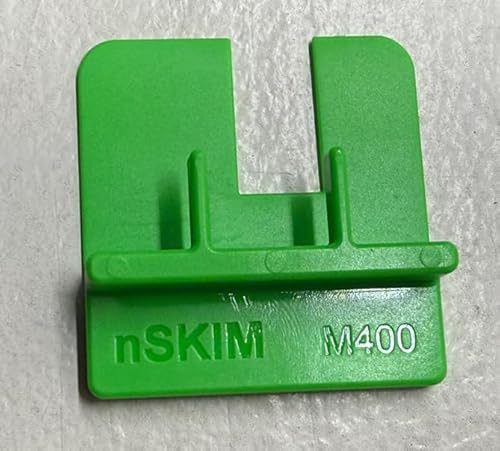
NSKIM M400 Credit Card Skimmer Detection Tool, Compatible with VeriFone M400 / M440 Credit Card Terminal
COMPATIBILITY: Works with multiple credit card terminal models including VeriFone M400 & M440 stationary terminals
As an affiliate, we earn on qualifying purchases.
As an affiliate, we earn on qualifying purchases.

TREES monthly bill payment checklist & Financial Planner Notebook – 4-Year Budget Organizer with 960 Bill Records, Income & Expense Tracker, Debt Payoff Log, and Savings Goals
1️⃣ Take Control of Your Finances – Easily set monthly financial goals and track your income, savings, debts,…
As an affiliate, we earn on qualifying purchases.
As an affiliate, we earn on qualifying purchases.