

To request your data from a company, start by understanding your rights under laws like GDPR or CCPA, which give you control over your personal information. Find the company’s data request process on their website or privacy policy, then submit a clear request with your details. Wait for their response, verify your identity if needed, and carefully review the data they send. If you’re curious about the detailed steps, keep exploring the process.
Key Takeaways
- Identify the company and locate their privacy policy or data request section online.
- Submit a formal request through their online form or email, specifying your rights under GDPR or CCPA.
- Provide necessary verification details, such as your full name and proof of identity, if requested.
- Review the data received for accuracy and completeness, and request corrections if needed.
- Keep records of your request and response to ensure proper exercise of your privacy rights.

Have you ever wondered how to access the personal data a company holds about you? It’s a common question in today’s digital world where your information is stored in countless databases. Understanding your privacy rights is the first step. Laws like the General Data Protection Regulation (GDPR) in Europe and the California Consumer Privacy Act (CCPA) in the U.S. empower you to request access to your data. These regulations give you the right to know what data companies collect, how they use it, and with whom they share it. Knowing your privacy rights guarantees you can take control of your personal information and hold companies accountable.
Understanding your privacy rights helps you access and control your personal data held by companies.
To start, identify the company from which you want to request data. Usually, this involves visiting their website or app, where they often have a privacy policy or a dedicated data request section. Many organizations provide a straightforward process for submitting a data access request, often via email or an online form. When making your request, be clear and specific. Mention that you want to exercise your rights to access your personal data under applicable regulations like GDPR or CCPA. Include relevant details such as your full name, email address, and any account identifiers to help them locate your data quickly.
Once your request is submitted, the company is typically required to respond within a certain timeframe—often 30 days, but it can vary depending on your jurisdiction. During this period, they may ask you for additional information to verify your identity, which helps prevent unauthorized access. Be prepared to provide proof if needed, such as a government-issued ID. This step is vital for protecting your privacy rights and ensuring that your data isn’t disclosed to unauthorized parties.
After receiving your data, you’ll want to review the information carefully. Companies are usually required to provide it in a structured, commonly used format, enabling data portability. Data portability is a key aspect of your rights, allowing you to transfer your data to other services or keep a personal copy. This capability promotes transparency and gives you more control over your digital footprint. If the data isn’t complete or if you notice inaccuracies, you can request corrections or additional information.
Understanding how to request your data is about more than just compliance; it’s about asserting your rights and maintaining control over your personal information. By being proactive and informed, you guarantee that your privacy rights are respected and that you can leverage data portability to manage your digital identity effectively. This process might seem technical initially, but with a clear approach, it becomes a straightforward way to stay in command of your own data. Additionally, being aware of the types of cookies used can help you better understand how your information might be tracked during this process like cookies used for analytics.

PS667 ID Card Scanner with Software – Automatic Data Extraction for Age Verification, No Subscription One Time Purchase
Complete Turnkey Solution – Hardware and software included in a single purchase with no subscription fees or ongoing…
As an affiliate, we earn on qualifying purchases.
As an affiliate, we earn on qualifying purchases.
Frequently Asked Questions
Can I Request Data From a Company Anonymously?
Yes, you can request your data anonymously if the company allows it, but it’s uncommon. An anonymous request helps protect your privacy concerns, but be aware that many companies require identification to verify your identity and comply with legal regulations. To maximize privacy, you might consider using a pseudonym or anonymous communication channels, though this could limit the company’s ability to fulfill your request fully.
How Long Does It Typically Take to Receive My Data?
It usually takes around 30 days for a company to process your data request, but it can vary depending on their data processing systems and privacy concerns. During this time, they review your request to guarantee compliance with privacy laws. If they need more info or face delays, they’ll notify you. Staying patient is key, and understanding their privacy concerns helps you know what to expect.
Are There Any Costs Associated With Requesting My Data?
You might think requesting your data is free, but some companies charge for access, especially if you request extensive information. Cost considerations vary, so it’s wise to check their policies beforehand. While privacy concerns motivate many to seek their data, be aware that fees could apply, particularly for detailed reports. Always review the company’s data access policies to understand potential costs and protect your privacy rights effectively.
What Should I Do if My Data Request Is Denied?
If your data request is denied, you should first ask for a clear explanation. If you suspect a data breach or unfair denial, consider consulting legal counsel to understand your rights. You might also file a complaint with relevant authorities or revisit the company’s privacy policy. Taking these steps helps guarantee your data rights are protected and keeps the company accountable for handling your information properly.
Can I Specify the Format in Which I Receive My Data?
Yes, you can specify the format for your data. When making your request, include request customization details, such as preferred data formatting like CSV, JSON, or XML. Clearly state your preferred format and ask if the company can accommodate your needs. Most companies are willing to work with your request for data formatting, especially if you specify it upfront, making it easier to analyze and use your data effectively.
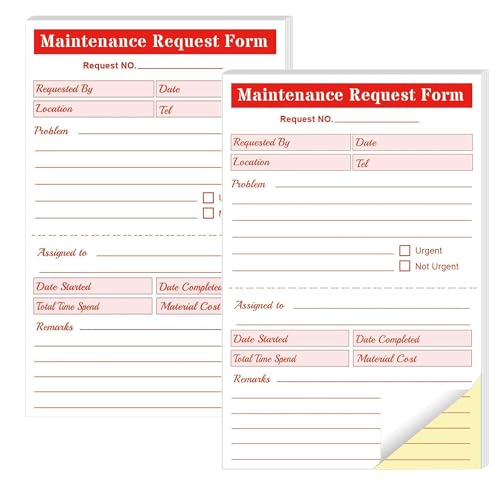
Maintenance Request Book Forms – 5.5 x 8.5 Inch 2 Part Carbonless Maintenance Repair Request Slips – Work Order Forms for Industrial Equipment 100 Pcs
Packaging includes: each package of maintenance requirements Book, 2 parts Carbonless, 50 sets of 100 pcs per book.
As an affiliate, we earn on qualifying purchases.
As an affiliate, we earn on qualifying purchases.
Conclusion
Remember, requesting your data is your right and a step toward greater control over your privacy. Some might worry it’s complicated or time-consuming, but it’s often quicker than you think and worth the effort. By taking this action, you’re not just accessing your information—you’re empowering yourself and encouraging companies to prioritize transparency. Don’t let fear hold you back; your data is yours, and you deserve to know what’s stored about you.

Privacy's Defender: My Thirty-Year Fight Against Digital Surveillance
As an affiliate, we earn on qualifying purchases.
As an affiliate, we earn on qualifying purchases.

HIPAA Package for Medical and Dental Offices Including Regulations and Standards Manual (hardcopy) + Policies and Forms (hardcopy and USB) + Training Outline and Test + Resource USB + Posters
A HIPAA compliance solution for healthcare providers like medical offices, dental offices and more
As an affiliate, we earn on qualifying purchases.
As an affiliate, we earn on qualifying purchases.