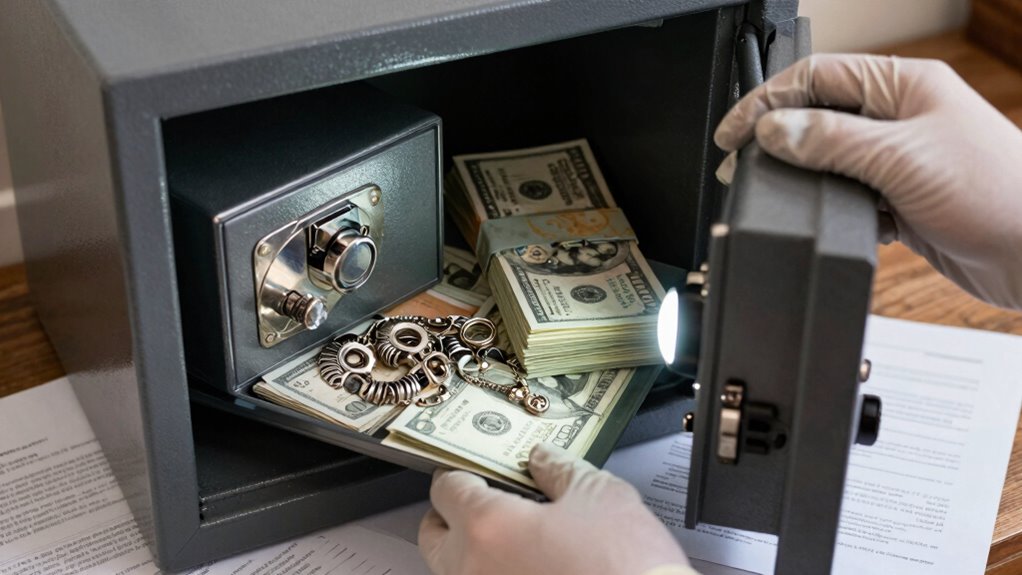

To decide what belongs in a safe, evaluate your items based on value, sensitivity, and risk if lost or accessed by others. Prioritize critical possessions like passports, financial documents, and jewelry that are irreplaceable or sensitive. Store less essential valuables separately, using secure containers. Keep everyday items outside the safe to prevent clutter and reduce risks. Establish clear security protocols and regularly review your choices to guarantee your setup aligns with your evolving needs and circumstances. Keep going to learn how to implement these strategies effectively.

Get school and study supplies delivered free — and shop member deals
- Fast, free delivery on millions of items
- Access to Prime Big Deal Days deals on October 6–7
- Prime Video, Amazon Music and more included
Key Takeaways
- Assess items based on their value, sensitivity, and potential risk if lost or stolen.
- Prioritize critical documents and valuables like passports, financial records, and jewelry for safe storage.
- Store non-essential items, such as receipts or everyday cash, outside the safe to reduce clutter and security risks.
- Use a risk-based approach to determine which items require high-security safes versus less secure storage options.
- Regularly review and update stored items based on changing circumstances and item importance.
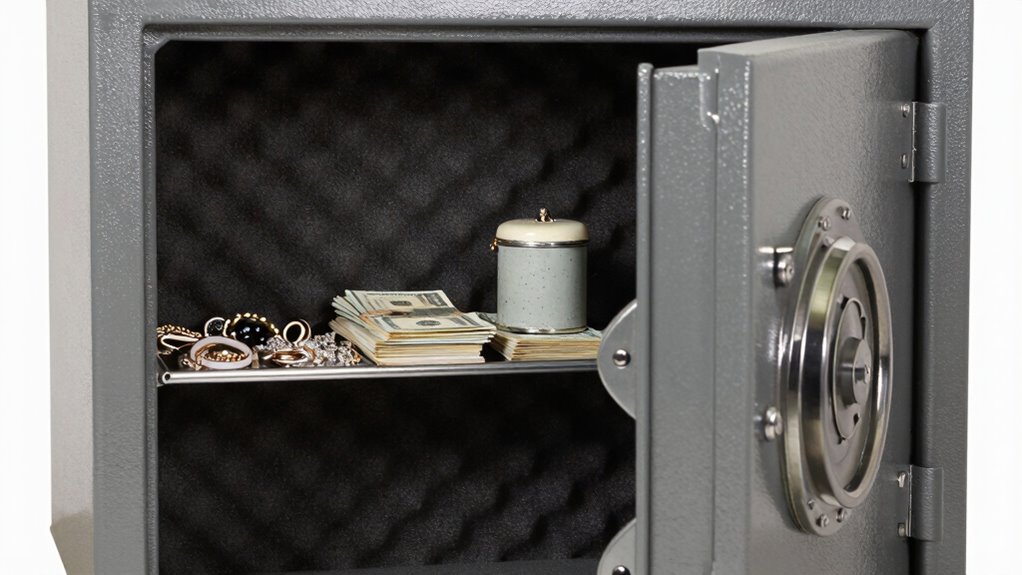
Have you ever wondered how to determine what items are truly worth keeping secure? Deciding what belongs in a safe isn’t just about tossing in valuables; it’s about understanding the importance of security protocols and maintaining a secure organization. When you’re faced with the task of safeguarding your belongings, you need a clear strategy to prioritize what needs protection and what can stay elsewhere. The first step is to evaluate the items based on their value, sensitivity, and potential risk if lost or stolen. This helps you create a logical system that minimizes clutter and maximizes security.
Prioritize valuables by value and risk to create an effective, organized security system.
Start by identifying what’s most critical—passport, birth certificates, financial documents, and jewelry often top the list. These are items that, if misplaced or accessed by unauthorized people, could cause significant inconvenience or harm. Incorporate security protocols that specify how these items should be stored, such as using a high-quality, fireproof safe and ensuring it’s always locked. Keep in mind that safe organization isn’t just about what’s inside but also how you access and maintain it. You want a system that’s easy for you to navigate but difficult for others to compromise. Labeling or cataloging your most important items can streamline this process, especially if you need to retrieve something quickly in an emergency.
Next, consider items that are valuable but less sensitive—like heirlooms or collectibles. While these may not require the same level of security as sensitive documents, they still benefit from being stored in a secure location. Decide if they need to be in the safe or if a secure storage box or vault would suffice. Remember, the goal isn’t necessarily to keep everything in the safe but to maintain a balanced safe organization that aligns with your security protocols. Understanding the principles of biodiversity and conservation can also remind us of the importance of protecting valuable resources and maintaining balance in our protective practices. Additionally, implementing security measures that are appropriate for different types of items can help optimize your overall safety strategy. Conducting a regular security assessment can further ensure your storage methods remain effective over time. Moreover, being aware of security protocols and their application can greatly enhance your overall safety approach. Establishing a comprehensive security plan can help you stay organized and prepared for unexpected situations.
On the other hand, items that are replaceable or of minimal value—such as everyday cash, receipts, or non-essential personal belongings—can stay outside the safe. Keeping a clutter-free safe prevents unnecessary risks and makes it easier to protect your most important items. Regularly reviewing what’s inside helps you refine your security protocols and adapt to changing circumstances. If you acquire new valuables, reassess whether they belong in your safe or if alternative secure storage is appropriate.
Ultimately, deciding what belongs in a safe involves a combination of valuation, risk assessment, and organization. When you follow a structured approach—prioritizing critical items, implementing strong security protocols, and maintaining an organized safe—you’ll ensure your valuables are protected efficiently and effectively. This way, you’re not just putting things away; you’re creating a security system tailored to your needs.
As an affiliate, we earn on qualifying purchases.
Frequently Asked Questions
Can I Store Digital Valuables in a Physical Safe?
Yes, you can store digital valuables in a physical safe, but make sure it’s properly customized for digital security. Use a safe with reinforced, fireproof, and tamper-proof features, and consider adding a lockbox or compartment specifically for electronic devices. Remember, safe customization helps protect your digital assets from theft, fire, or water damage. Always back up digital valuables separately, and avoid storing sensitive info only in the safe.
How Often Should I Review What’s in My Safe?
You should review your safe’s contents at least twice a year to guarantee everything’s up-to-date and intact. Regular safe maintenance helps you identify any tampering, damage, or missing items. Consider your access frequency—if you open your safe often, check more frequently. For infrequent access, an annual review suffices. Staying consistent with these reviews keeps your valuables secure and your safe in good condition.
Are There Safe Types Better for Certain Items?
Back in the day, a safe is more than just a box—it’s your fortress. For valuable documents or electronics, a fire-resistant safe works wonders, protecting against heat and flames. If you’re storing items prone to water damage, opt for waterproof safes. Different items need different safeguards; fragile or irreplaceable things benefit from fire-resistant materials, while moisture-sensitive items require waterproof safes to keep them safe from water, humidity, and other elements.
Should I Hide My Safe’s Location From Family?
Yes, hiding your safe’s location from family can boost security awareness and prevent accidental discovery. Trust is important, but safeguarding valuable items benefits from an extra layer of secrecy. Choose a discreet spot that’s not obvious, and make sure only trusted family members know the location. This way, you maintain family trust while minimizing risks, keeping your valuables protected from potential theft or mishandling.
What Should I Do if I Forget My Safe Combination?
If you forget your safe combination, don’t panic. First, check if your safe has an emergency access feature or a backup key for safe maintenance. Use the emergency method to open it without damaging the lock. If you don’t have these, contact the manufacturer or a professional locksmith. Keep your combination in a secure, separate location for future reference to avoid this situation again.
As an affiliate, we earn on qualifying purchases.
Conclusion
Now that you know how to evaluate what belongs in your safe, you’re ready to protect your valuables like a seasoned knight guarding a dragon’s hoard. Remember, only keep what’s truly important and irreplaceable—think of it as choosing your crown jewels over a pile of pebbles. Trust your judgment, stay vigilant, and your safe will be a fortress, not a treasure chest left open in a bustling bazaar. Keep your secrets secure, just like a secret message in a bottle.
As an affiliate, we earn on qualifying purchases.
As an affiliate, we earn on qualifying purchases.
Halloween Picks
halloween
As an affiliate, we earn on qualifying purchases.