
If you rely solely on backup power systems without adding surge protection, your essential devices remain vulnerable during outages. Power surges from lightning or grid issues can instantly damage electronics, even when backup power is active. Skipping surge protectors leaves your investments at risk and can cause costly failures. To truly safeguard your critical systems, you need to combine reliable generator maintenance with effective surge protection. Want to discover how to build a resilient, protected backup setup?

Prime made for students and young adults
- Fast, free delivery for dorm and study essentials
- Prime Video and Amazon Music included
- Member-only deals
Key Takeaways
- Failing to install power surge protectors exposes essential electronics to voltage spikes during outages or restoration.
- Overlooking routine generator maintenance can cause unexpected failures, leaving critical systems unprotected during outages.
- Choosing an undersized generator risks insufficient power for essential devices, risking shutdowns during prolonged outages.
- Neglecting to assess and prioritize which systems need backup leaves vital assets vulnerable during power disruptions.
- Relying solely on backup systems without integrating surge protection turns them into liabilities instead of safeguards.
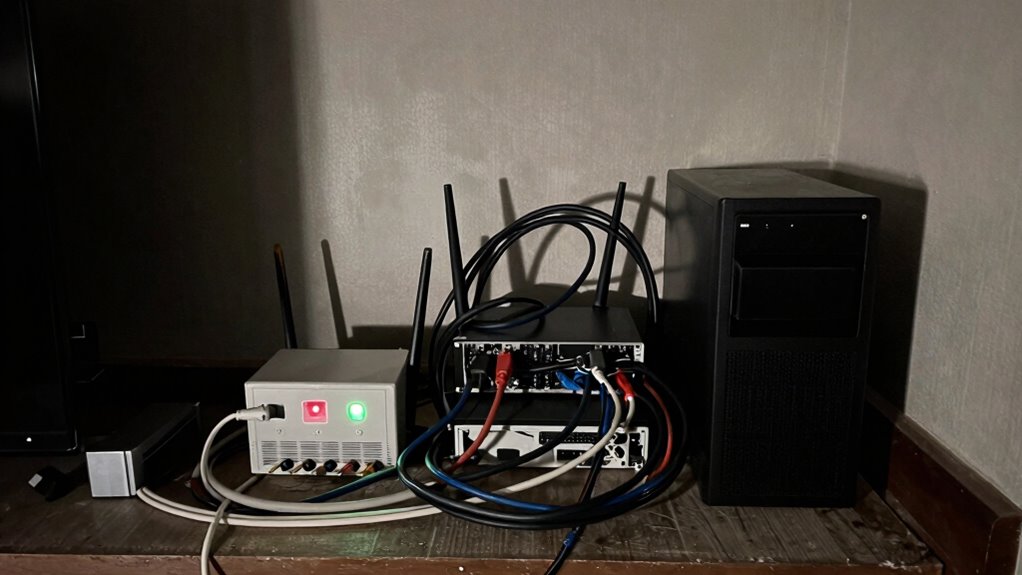
When it comes to protecting your home or business, relying solely on a backup power system might seem sufficient, but many people make a critical mistake: they don’t choose the right type or size of backup power. This oversight can leave essential systems vulnerable during outages. A backup generator is a popular choice, but if you neglect regular generator maintenance, its reliability diminishes. Without routine checks, oil changes, and system tests, your generator might fail when you need it most. Maintenance isn’t just about keeping the engine running; it’s about guaranteeing your backup power will kick in smoothly during an emergency. Additionally, many overlook the importance of power surge protection. Sudden voltage spikes, often caused by lightning strikes or grid issues, can fry sensitive electronics like computers, security systems, or medical devices. Installing surge protectors alongside your backup generator adds an extra layer of security, preventing costly damages and guaranteeing your critical systems stay operational. Proper maintenance and protection are essential to prevent failure and ensure your system is ready when needed. Ensuring your backup system is properly maintained and protected is crucial to avoid power failure risks and maintain peace of mind.
Choosing the right backup power solution involves more than just size or capacity. You need to assess what essentials you want protected—whether it’s your refrigerator, security cameras, or medical equipment—and guarantee your generator can handle the load. A generator that’s too small won’t sustain your needs during a lengthy outage, while an oversized unit might waste energy and increase costs. Once installed, proper generator maintenance becomes essential. Regularly scheduled inspections and servicing extend the lifespan of your equipment and guarantee it performs when needed. Many people forget that a neglected generator can produce unreliable power, defeating its purpose entirely. Considering backup power reliability can help you make informed decisions about your system’s capacity and performance. It’s also important to understand the impact of voltage spikes on your electronics, as these can cause sudden failures or damage.
Power surge protection is often dismissed as an optional add-on, but in reality, it’s a fundamental component of a comprehensive backup plan. During power restoration, surges are common, and without proper protection, your electronics can be damaged instantly. Investing in surge suppression devices is a simple step that pays off by safeguarding your investments and maintaining continuous operation of essential devices. Combining proper generator maintenance with effective power surge protection creates a resilient system that truly shields your vital assets. It’s not enough to just have a backup power source; you need to guarantee it’s ready to work flawlessly and that your electronics are shielded from unpredictable voltage spikes. Failing to do so risks leaving your essentials unprotected when you’re most vulnerable, turning a backup system into a liability rather than a safeguard.
As an affiliate, we earn on qualifying purchases.
Frequently Asked Questions
What Are Common Signs of Backup Power System Failure?
You’ll notice signs of backup power system failure if your generator doesn’t start during a power outage, or if it runs irregularly. Regular generator maintenance is vital for power outage preparedness, so listen for unusual noises, vibrations, or dashboard warning lights. If your system fails to respond when needed, it’s a clear sign you need to check your backup power setup immediately to guarantee your essentials stay protected.
How Often Should Backup Power Systems Be Tested?
You should test your backup power systems at least quarterly to guarantee reliability. Regular testing helps identify issues with battery maintenance and confirms system redundancy, so your essentials stay protected. During tests, check battery voltage, connections, and system responses. Don’t ignore scheduled maintenance, as it can prevent failures. Consistent testing ensures your backup power remains ready, reducing the risk of unexpected outages and safeguarding your critical operations.
Are There Legal Requirements for Backup Power in Certain Industries?
Yes, there are legal requirements for backup power in specific industries to guarantee safety and continuity. You must comply with regulations like OSHA, NFPA, or local codes, which set standards for backup power systems. Industry standards often mandate regular testing, maintenance, and documentation to meet legal compliance. Failing to adhere can lead to penalties, so staying informed about applicable laws helps protect your operations and ensures your backup systems are reliable when needed.
What Is the Average Lifespan of a Backup Generator?
On average, your backup generator lasts about 10 to 15 years. Regular generator maintenance is vital to extend its lifespan and guarantee preparedness for power outages. Neglecting maintenance can shorten this period considerably. To keep your essential systems protected, schedule routine inspections and address issues promptly. Proper upkeep not only maximizes your generator’s longevity but also assures reliable backup power during emergencies.
How Can I Improve Backup Power System Efficiency?
To improve your backup power system efficiency, focus on optimizing energy storage and guaranteeing power redundancy. Invest in high-quality batteries or energy storage solutions that quickly respond to power needs, minimizing downtime. Regularly test your system to identify weak points and maintain backup generators properly. By prioritizing energy storage and establishing reliable power redundancy, you guarantee your essentials stay protected during outages, maximizing overall system performance and dependability.
backup generator maintenance kit
As an affiliate, we earn on qualifying purchases.
As an affiliate, we earn on qualifying purchases.
Conclusion
Don’t overlook the importance of a reliable backup power system. About 60% of households experience power outages annually, leaving essential devices vulnerable. By avoiding common mistakes and investing wisely, you guarantee your home stays protected when the grid fails. Remember, a well-planned backup isn’t just a convenience — it’s a safeguard for your family’s safety and comfort. Take action now, so you’re not caught unprepared when the next outage hits.
As an affiliate, we earn on qualifying purchases.
whole house generator transfer switch
As an affiliate, we earn on qualifying purchases.
As an affiliate, we earn on qualifying purchases.
Fall Picks
fall essentials
As an affiliate, we earn on qualifying purchases.