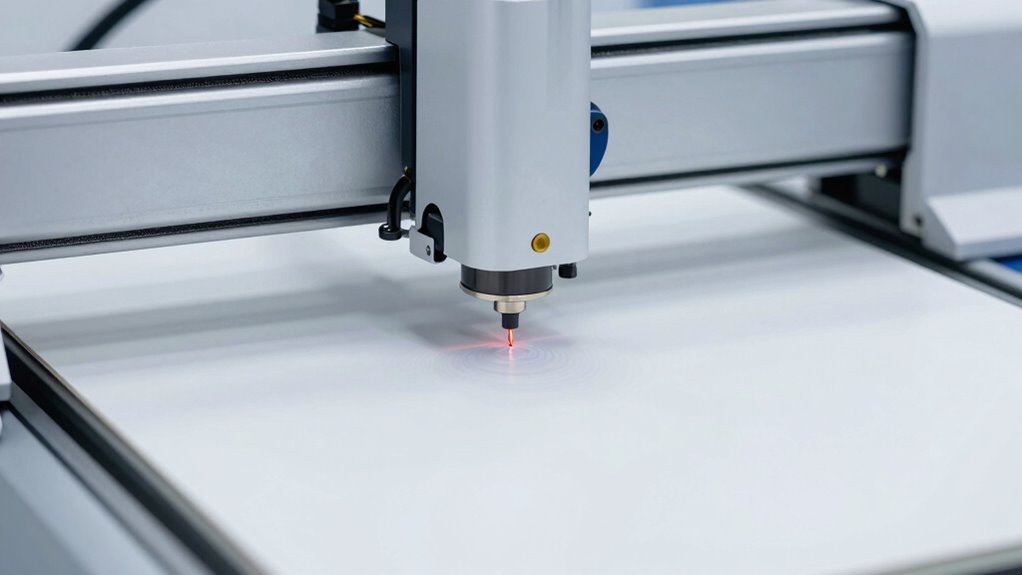

To prevent scorching and warping during laser work, choose heat-resistant materials like tempered glass, ceramic tiles, or laser-safe mats for your surface. Always verify your workspace is level and well-ventilated, and elevate your workpieces slightly to promote airflow. Wear appropriate safety gear and keep a fire extinguisher nearby. Regularly inspect your setup for signs of heat damage, and support even contact with materials. Continuing will help you master the full setup tips.
Key Takeaways
- Use heat-resistant, non-flammable materials like tempered glass, ceramic tiles, or laser-safe mats for the work surface.
- Elevate workpieces slightly and ensure the surface is stable and level to promote even heat distribution.
- Regularly inspect and clean the surface to prevent heat damage and maintain optimal contact.
- Implement safety measures such as wearing eye protection, ensuring proper ventilation, and having a fire extinguisher nearby.
- Test laser settings on scrap material to adjust power and speed, minimizing scorching and warping during actual work.
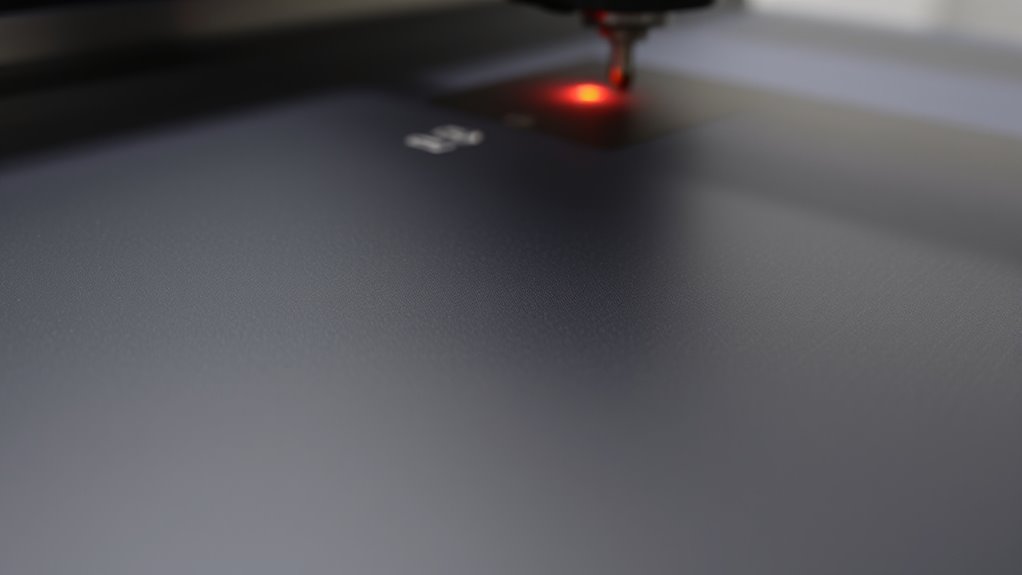
Setting up your laser work surface properly is essential for safe and efficient operation. One of the most critical steps is selecting the right material for your work surface. Material selection impacts not only the quality of your projects but also helps prevent common issues like scorching and warping. Opt for surfaces made from materials with high heat resistance, such as tempered glass, ceramic tiles, or specialized laser-safe mats. These materials distribute heat evenly, reducing the risk of localized overheating that can cause scorching marks or warping of your workpieces. Avoid surfaces made from plastics or other flammable materials, as they pose safety risks and are more prone to damage from heat.
Choose heat-resistant surfaces like tempered glass or ceramic tiles to prevent scorching and warping during laser work.
In addition to choosing suitable materials, implementing safety precautions is vital for protecting yourself and your equipment. Always wear appropriate eye protection and ensure your workspace is well-ventilated to avoid inhaling fumes. Keep a fire extinguisher nearby, especially when working with potentially flammable surfaces or materials, and never leave your laser unattended during operation. Before starting your project, double-check that all safety measures are in place, including proper alignment and focusing of the laser beam. This ensures that the laser interacts only with the intended material, minimizing the chance of accidental scorching or damage.
Proper setup also involves preparing your work surface to minimize heat buildup. Use a stable, level platform that supports even contact with your material. Elevating the workpiece slightly above the surface can promote better airflow and heat dissipation. If your laser system allows, utilize cooling aids such as fans or heat sinks to further control temperature. Additionally, consider the thickness and density of your chosen material, as thicker or denser materials tend to resist warping better than thin, flimsy sheets. When you select your material, think about its thermal properties, and always test on small, scrap pieces first to gauge how it reacts to laser exposure. Choosing heat-resistant materials can significantly reduce the risk of damage during operation.
Maintaining consistent safety precautions and paying attention to material selection will help you establish a safe, controlled environment that reduces the chances of scorching and warping. Regularly inspect your setup for any signs of heat damage or instability, and make adjustments as needed. By thoughtfully preparing your work surface and adhering to safety protocols, you’ll ensure your laser projects come out clean, precise, and free from avoidable damage. Proper setup isn’t just about equipment; it’s about creating a safe workspace that promotes quality results and protects you from potential hazards.
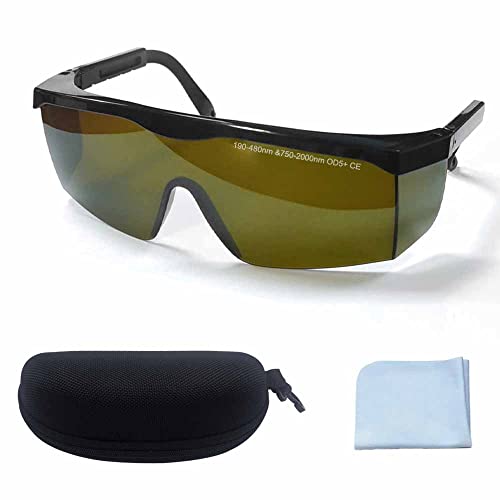
mozeeda Laser Safety Glasses Eye Protection, OD 5+190nm-480nm &750nm-2000nm Wavelength IPL Laser Glasses Eye Protection, Infrared Light for Laser Engraving Safety Goggles with Adjustable Temples
Polycarbonate lens
As an affiliate, we earn on qualifying purchases.
As an affiliate, we earn on qualifying purchases.
Frequently Asked Questions
What Materials Are Most Prone to Scorching During Laser Cutting?
You should watch out for materials with low heat resistance, like certain plastics and thin woods, as they’re most prone to scorching during laser cutting. These materials have higher sensitivities to heat, causing discoloration or burn marks easily. To prevent damage, you need to adjust your laser settings accordingly, use proper ventilation, and consider the material’s sensitivities and heat resistance levels before starting your cut.
How Does Ambient Temperature Affect Laser Work Surface Setup?
Think of ambient temperature as the silent conductor of your laser symphony. When it’s too hot or cold, it throws off the delicate balance of your work surface. Proper temperature control becomes your shield, ensuring consistent performance. You must monitor ambient temperature closely, adjusting as needed, to prevent scorching or warping. Keeping the environment stable helps your laser operate smoothly, safeguarding your materials and achieving flawless results every time.
Can Specific Coatings Prevent Warping on the Work Surface?
Yes, specific coatings can prevent warping on your work surface. Look for coatings with high durability and strong surface adhesion, which create a protective barrier against heat and prevent deformation. Applying a durable coating regularly ensures your surface maintains its shape and resists scorching. This proactive step helps you maintain ideal laser performance, reducing the risk of warping and extending the lifespan of your work surface.
What Are the Signs of an Improperly Set Laser Work Surface?
If your laser work surface isn’t properly set, you’ll notice uneven cuts, scorch marks, or warping edges. You can tell if the work surface calibration is off because the laser isn’t cutting smoothly, and the focus accuracy seems inconsistent. Additionally, burning or discoloration on materials indicates misalignment. Regularly check and adjust your calibration and focus to maintain precision, preventing damage and ensuring peak results.
How Often Should the Work Surface Be Inspected for Damage?
You should inspect your work surface for damage at least once a week as part of your work surface maintenance routine. Regular damage inspection schedule helps you catch signs of scorching, warping, or other issues early, preventing further damage. Keep an eye out for discoloration or deformities, and address problems immediately to guarantee ideal laser operation and safety. Consistent inspections maintain surface integrity and extend its lifespan.

Zilphoba 10pcs 4''x4'' Ceramic Tiles for Crafts, Blank Ceramic Coaster for Craft, White Unglazed Tile with Cork Backing Pad for Painting, Alcohol Ink, Acrylic Pouring, DIY
Un-glazed blank ceramic tiles, designed specifically for art and crafts, perfect for use with alcohol inks (requires glazing…
As an affiliate, we earn on qualifying purchases.
As an affiliate, we earn on qualifying purchases.
Conclusion
Setting up your laser work surface properly is essential to prevent scorching and warping. By choosing the right materials and maintaining ideal settings, you can extend your equipment’s lifespan and achieve perfect cuts every time. Did you know that improper setup can cause up to 30% of laser damage repairs? Taking these simple steps not only saves you money but also guarantees your projects turn out flawless. Invest a little time now for better results later.

2 Packs Fireproof Welding Blankets – 1/4" (6mm) Graphite Carbon Felt up to 3000℉ – Ideal Soldering & Brazing Heat Shields for Torch Work, Plumbing, HVAC – 12" x 12" Opening Shape Pads
【Compact & Portable Size】Measuring 12"x12", this lightweight and foldable welding pad is easy to carry and store, making…
As an affiliate, we earn on qualifying purchases.
As an affiliate, we earn on qualifying purchases.
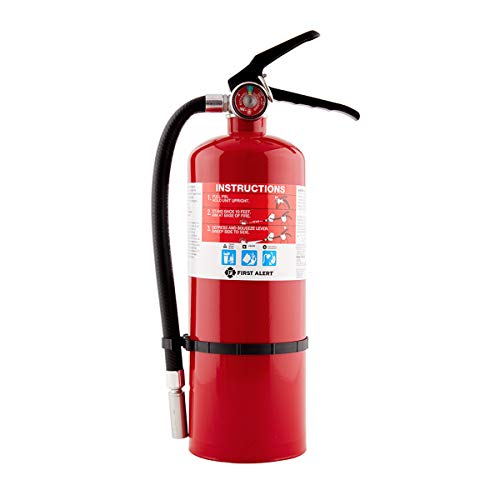
First Alert Fire Extinguisher for Home & Commercial Use, Heavy Duty Rechargeable Compliance Unit, UL RATED 2-A:10-B:C, HOME2PRO, Red, 1-Pack
The First Alert HOME2PRO Fire Extinguisher is UL rated 2-A: 10-B:C and meets minimum 2-A: 10-B:C code requirements;…
As an affiliate, we earn on qualifying purchases.
As an affiliate, we earn on qualifying purchases.