
TL;DR

Prime made for students and young adults
- Fast, free delivery for dorm and study essentials
- Prime Video and Amazon Music included
- Member-only deals
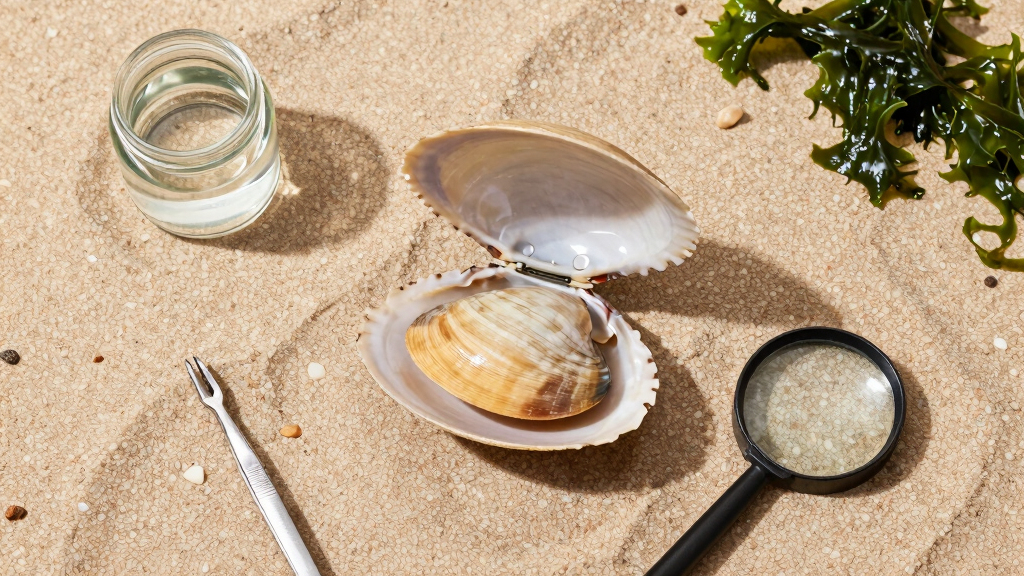
Manila clams, native to Asia, have been confirmed spreading along the Atlantic coast. Experts warn this could impact local ecosystems and fisheries. The full extent of the invasion remains under investigation.
Scientists have confirmed the presence of Manila clams along parts of the Atlantic coast, marking a notable expansion of this invasive species into new marine environments. This development is significant for local ecosystems and fisheries, as the clams are not native to these waters and could disrupt existing ecological balances.
The Manila clam (Venerupis philippinarum), originally from Asia, has been detected in multiple locations along the Atlantic coast, including parts of the northeastern United States and Canada. According to marine biologists from the Marine Invasive Species Monitoring Program, these populations are still in early stages but appear to be establishing viable breeding grounds.
Recent surveys conducted by researchers from the University of Maine and the Atlantic Marine Institute have confirmed the presence of Manila clams in sediment samples collected from coastal areas in Maine, New Hampshire, and Nova Scotia. These findings suggest that the clams are spreading beyond initial detection sites, possibly aided by ballast water discharge and aquaculture activities.
While the exact timeline of the invasion remains uncertain, experts emphasize that the spread could accelerate if environmental conditions remain favorable. Authorities are now monitoring the situation closely, with some regions initiating invasive species management protocols.
Impacts on Coastal Ecosystems and Fisheries
The confirmed spread of Manila clams along the Atlantic coast could have significant ecological and economic consequences. As an invasive species, they may compete with native shellfish, such as soft-shell clams and mussels, potentially altering local biodiversity and disrupting existing food webs.
Additionally, the invasion could affect commercial fisheries. Manila clams are harvested for food in their native regions, and if they establish large populations, they could either compete with or contaminate local shellfish industries. Fisheries management agencies are assessing potential risks and considering measures to mitigate impacts.
As an affiliate, we earn on qualifying purchases.
History of Invasive Species in Atlantic Waters
The Atlantic coast has a history of invasive species introductions, often linked to shipping, aquaculture, and ballast water discharge. Notable examples include the European green crab and Asian shore crabs, which have established themselves and impacted native species.
The Manila clam was first introduced to North America in the 1980s through aquaculture experiments and ballast water. While initially confined to specific farms and regions, recent reports suggest that wild populations are now emerging and expanding their range.
Scientists have been monitoring these developments, emphasizing the importance of early detection and control to prevent large-scale ecological shifts.
“The detection of Manila clams along the Atlantic coast indicates a potentially significant range expansion. We are closely monitoring their spread and assessing ecological impacts.”
— Dr. Emily Carter, Marine Biologist, University of Maine
As an affiliate, we earn on qualifying purchases.
Extent and Future Spread of Manila Clams Still Unclear
It is not yet confirmed how widespread the Manila clam populations are across the Atlantic coast or how quickly they will continue to spread. Researchers emphasize that ongoing surveys are needed to determine the full scope of the invasion.
There is also uncertainty regarding the potential ecological impacts, as long-term effects on native species and habitats are still being studied.
As an affiliate, we earn on qualifying purchases.
Monitoring and Management Efforts to Contain Invasion
Scientists and authorities are planning further surveys to map the extent of Manila clam populations. Management strategies, including removal efforts and ballast water regulations, are under review to prevent further spread.
Research into ecological impacts and potential control methods will continue over the coming months, with updates expected as new data emerges.
clamming gear for shellfish harvesting
As an affiliate, we earn on qualifying purchases.
As an affiliate, we earn on qualifying purchases.
Key Questions
How do Manila clams spread to new areas?
Manila clams can spread through ballast water discharge from ships, aquaculture activities, and natural larval dispersal driven by ocean currents.
Why are Manila clams considered invasive?
Because they are not native to the Atlantic coast and can outcompete native shellfish, potentially disrupting local ecosystems and fisheries.
What are the ecological risks of Manila clam invasion?
They may compete with native species for resources, alter habitat structures, and impact biodiversity and food webs.
Are there any efforts to control the spread?
Yes, authorities are monitoring populations, and management strategies such as removal and ballast water regulation are being considered to limit further expansion.
Could Manila clams be harvested commercially?
While they are edible and farmed in their native regions, their status as an invasive species in the Atlantic coast means harvesting is currently regulated and under assessment.
Source: google-trends
Fall Picks
fall essentials
As an affiliate, we earn on qualifying purchases.