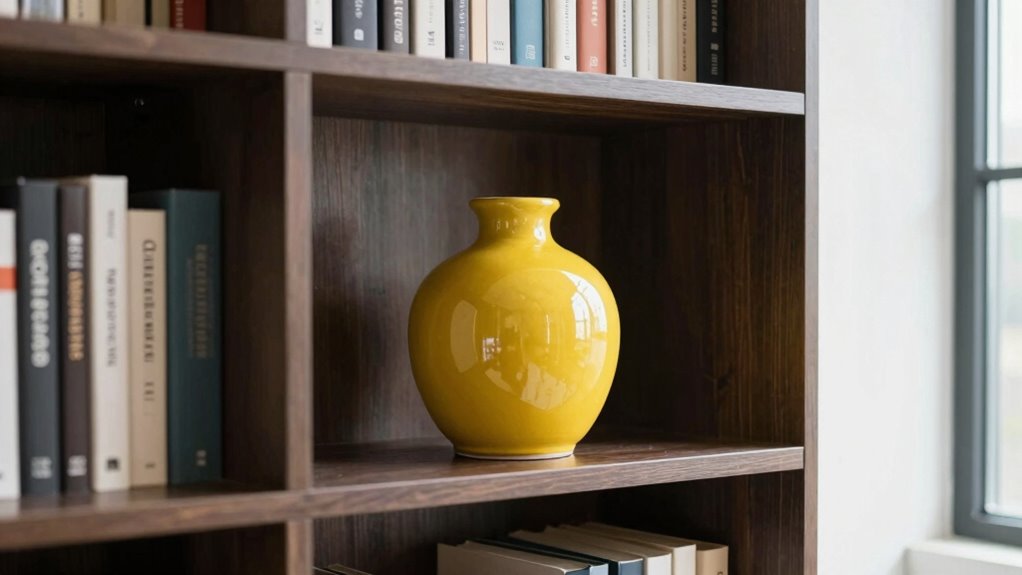

The safe placement rule that matters most is prioritizing stability, visibility, and accessibility over aesthetics. You should position heavy furniture away from doors, secure tall pieces to walls, and leave enough space for easy movement. Bright colors and visual cues can highlight hazards, making your home safer. By focusing on these practical arrangements, you reduce risks and prevent accidents. Keep these principles in mind, as there’s more to guarantee safety without sacrificing style.

Get school and study supplies delivered free — and shop member deals
- Fast, free delivery on millions of items
- Access to Prime Big Deal Days deals on October 6–7
- Prime Video, Amazon Music and more included
Key Takeaways
- Prioritize stability and accessibility over appearance to prevent accidents and ensure safe movement within the space.
- Keep heavy furniture away from doors and walkways to avoid obstructions and tipping hazards.
- Secure tall or top-heavy items to walls to prevent tipping and maintain safety.
- Use contrasting colors to highlight edges and corners, increasing hazard visibility.
- Ensure furniture is on level surfaces with proper weight distribution for stability and safety.
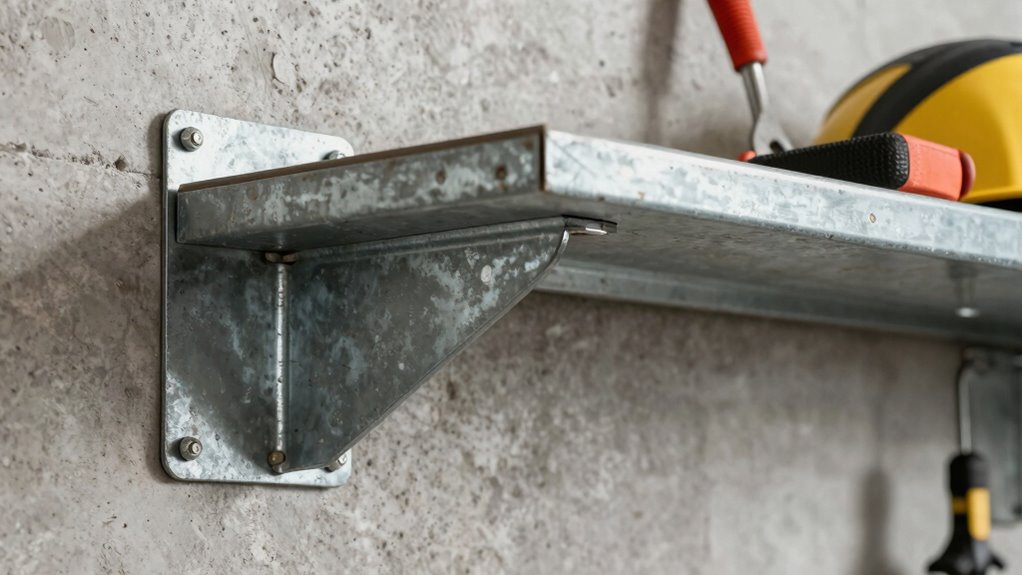
Have you ever wondered how to guarantee your items are placed safely and securely? The key isn’t just about making everything look good; it’s about understanding the importance of proper placement to prevent accidents and damage. When you focus on the safe placement rule, you prioritize stability and accessibility over purely aesthetic choices. One of the first things to take into account is how your furniture arrangement influences safety. Instead of arranging furniture solely based on how it looks, think about how people will move through the space. Leave enough room for easy navigation, and avoid blocking exits or pathways. For instance, placing a heavy piece of furniture too close to a door can cause hazards. Instead, position it where it won’t obstruct movement or become a tipping risk, especially if children or elderly family members are involved.
Prioritize safe furniture placement to ensure easy movement and prevent hazards.
Color coordination can also play a subtle but vital role in safety. Brightly colored or contrasting elements can help highlight edges and corners, making it easier to see potential hazards. For example, placing a brightly colored rug near sharp furniture edges can alert everyone to be cautious. This isn’t about sacrificing style — it’s about using color intentionally to enhance safety. When you choose your furniture and decor, think about how color can guide attention to safer areas. Additionally, the arrangement should promote stability. Always secure heavier items to the wall if they’re tall or top-heavy, reducing the risk of tipping. Make certain furniture legs are stable and level, and check that items are placed on even surfaces to avoid wobbling or sliding.
In your furniture arrangement, think about the weight distribution and the center of gravity. Keep heavier pieces at the bottom and in positions where they won’t shift easily if bumped. Avoid stacking items precariously or placing fragile objects in high-traffic zones. Another important aspect is understanding the role of biodiversity in creating a safe and healthy environment. Incorporating natural elements can improve indoor air quality and contribute to overall well-being, making your space not only safer but also more vibrant. Recognizing the connection between air quality and safety can help you design a space that reduces health risks and improves comfort. Additionally, paying attention to environmental factors such as humidity and ventilation can further enhance safety and comfort, making your environment more resilient to hazards. Incorporating natural elements into your decor can also encourage mindfulness of your surroundings and promote a more balanced environment.
As an affiliate, we earn on qualifying purchases.
Frequently Asked Questions
How Do I Identify Unsafe Placement Areas?
To identify unsafe placement areas, start with hazard identification by inspecting the space for potential dangers like sharp edges, unstable surfaces, or electrical hazards. Conduct a thorough risk assessment to evaluate how likely these hazards are to cause harm and their severity. Trust your instincts and look for signs of previous accidents or warnings. Regularly review and update your assessments to guarantee ongoing safety, prioritizing safe placement over aesthetic appeal.
What Tools Help Determine Safe Placement?
A stitch in time saves nine. To determine safe placement, use tools like design principles checklists and material compatibility charts. These help you assess load-bearing capacity, environmental factors, and the right materials for each spot. Visual inspection, structural analysis software, and manufacturer guidelines are invaluable tools. By combining these, you guarantee your placement is both safe and durable, preventing future issues before they arise.
Are There Industry Standards for Safe Placement?
Yes, industry standards exist for safe placement, focusing on design principles and regulatory compliance. You should follow guidelines from organizations like OSHA and ANSI, which specify safe distances and installation practices to prevent hazards. By adhering to these standards, you guarantee your placement decisions prioritize safety over aesthetics, reducing risks of accidents or damage. Always stay updated on evolving regulations to maintain compliance and create a safe environment.
How Often Should I Reassess Placement Safety?
You should reassess placement safety daily, even if it seems secure. Imagine a tiny shift causing a cascade of disaster—this highlights the importance of constant vigilance. Regular safety training and thorough risk assessments keep you ahead of potential hazards. By reviewing your setup every day, you catch issues early, preventing accidents. Stay proactive, because safety isn’t a one-time check—it’s an ongoing commitment to protect everyone involved.
Can Aesthetic Considerations Override Safety Concerns?
Aesthetic considerations shouldn’t override safety concerns. You might face aesthetic compromise to guarantee safety prioritization, but never sacrifice safety for looks. If a placement appears visually appealing but risks safety, it’s better to choose a safer option. Remember, safety prioritization always comes first—your well-being depends on it. Always evaluate whether aesthetics can be improved without compromising safety, and prioritize secure, stable placements over purely aesthetic fixes.
As an affiliate, we earn on qualifying purchases.
Conclusion
So, next time you’re arranging your space, remember that safety trumps aesthetics. The safe placement rule isn’t just a guideline—it’s backed by research showing that proper positioning reduces accidents and increases comfort. Don’t fall for the myth that beauty always comes first; prioritizing safety actually creates a more functional and peaceful environment. Trust the evidence, and you’ll find that a well-placed item not only looks good but keeps you safer too.
As an affiliate, we earn on qualifying purchases.
As an affiliate, we earn on qualifying purchases.
Halloween Picks
halloween
As an affiliate, we earn on qualifying purchases.