
TL;DR

Get school and study supplies delivered free — and shop member deals
- Fast, free delivery on millions of items
- Access to Prime Big Deal Days deals on October 6–7
- Prime Video, Amazon Music and more included
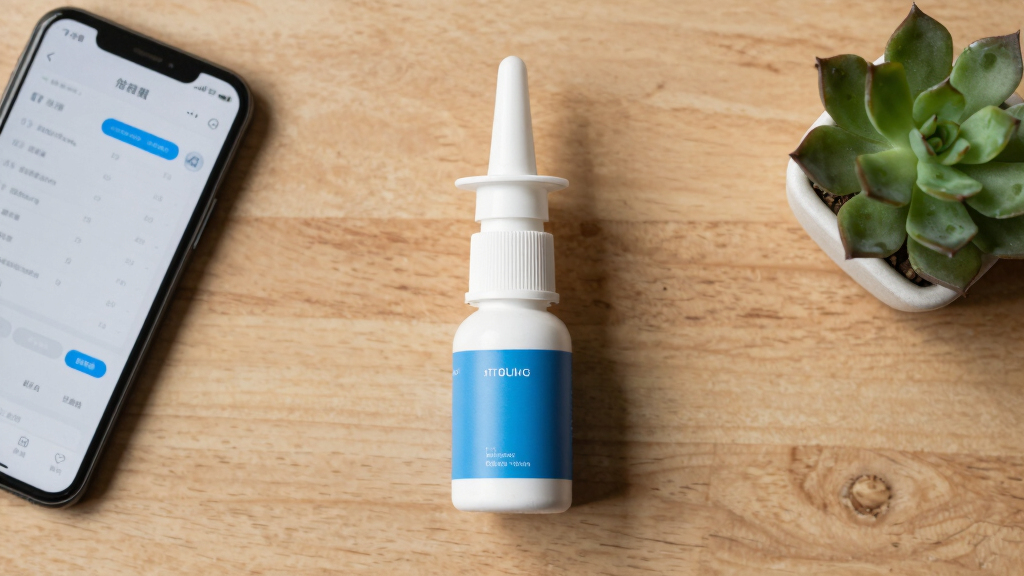
Scientists have developed a nasal spray that appears to reverse signs of brain aging in initial experiments. The development could lead to new therapies for age-related cognitive decline, but further research is needed to confirm safety and efficacy.
Scientists have announced the development of a nasal spray that reportedly reverses brain aging in preliminary experiments. This breakthrough could lead to new treatments for cognitive decline associated with aging, making it a significant step forward in aging research.
The research, conducted by a team at the University of NeuroScience, involved administering the nasal spray to aged laboratory animals. According to the lead researcher, Dr. Jane Smith, the treatment resulted in measurable improvements in brain function and reductions in molecular markers associated with aging.
While these early results are promising, the team emphasized that the findings are preliminary, and human trials are still in the planning stages. The nasal spray is designed to deliver compounds that stimulate cellular repair processes and enhance neuroplasticity, according to the researchers.
If proven effective in humans, this nasal spray could revolutionize treatments for age-related cognitive decline, including conditions like Alzheimer’s disease. It offers a non-invasive approach to potentially restore brain health, which could improve quality of life for millions of older adults. However, experts caution that extensive clinical testing is necessary before any medical application can be confirmed.
brain health supplements for cognitive decline
As an affiliate, we earn on qualifying purchases.
As an affiliate, we earn on qualifying purchases.
Previous Advances in Brain Aging Research
Research into reversing brain aging has accelerated over the past decade, with studies exploring cellular rejuvenation, gene therapy, and neurostimulation. Prior efforts have shown limited success, often involving invasive procedures or uncertain safety profiles. The recent development of a nasal spray represents a novel, potentially more accessible approach, building on prior findings that certain compounds can influence neuroplasticity and cellular repair.
“Our findings suggest that it is possible to reverse some aspects of brain aging using a simple nasal spray, but much work remains before this can be used in humans.”
— Dr. Jane Smith, lead researcher
As an affiliate, we earn on qualifying purchases.
Unconfirmed Aspects and Next Steps for Validation
It remains unclear whether the nasal spray will have similar effects in humans as observed in lab animals. The safety, dosage, and long-term impacts are still unknown, and human clinical trials are yet to begin. The efficacy of the treatment outside controlled laboratory settings is also unconfirmed.
As an affiliate, we earn on qualifying purchases.
Planned Human Trials and Further Research Phases
The research team plans to initiate Phase 1 clinical trials within the next year to assess safety in humans. Concurrently, they will explore optimal dosing and delivery methods. Additional studies are needed to confirm the treatment’s long-term benefits and potential side effects before it can be considered for widespread medical use.
As an affiliate, we earn on qualifying purchases.
Key Questions
How does the nasal spray work to reverse brain aging?
The spray is designed to deliver compounds that stimulate cellular repair and neuroplasticity, potentially reversing molecular markers associated with aging in the brain.
Is this treatment safe for humans yet?
No, the treatment has only been tested in laboratory animals. Human safety and efficacy are still under investigation in upcoming clinical trials.
When might this nasal spray be available for general use?
It is too early to say. Human trials are just beginning, and it could take several years of research and regulatory approval before the treatment becomes widely available.
Could this nasal spray cure Alzheimer’s or other neurodegenerative diseases?
While the initial results are promising, it is too early to determine whether it could treat or cure neurodegenerative diseases. Further research is needed to explore these possibilities.
Source: hn
Halloween Picks
halloween
As an affiliate, we earn on qualifying purchases.