TL;DR
Open a free Amazon Business account
Business pricing, bulk buying and tax-exempt orders.
As an affiliate, we earn on qualifying purchases.
This week features the full Strawberry Moon on July 3, visible planetary alignments, and several meteor showers. These events offer opportunities for skywatchers to observe and enjoy the night sky.
This week’s sky events include the full Strawberry Moon on July 3, offering a bright lunar display for observers. Additionally, several planets will be visible at different times, and meteor showers will enhance night sky viewing. These confirmed events provide accessible opportunities for amateur astronomers and casual skywatchers to engage with celestial phenomena.
On July 3, the Moon will reach its full phase, popularly known as the Strawberry Moon, a name derived from Indigenous and colonial traditions. This full moon will be visible across most of the world, with peak illumination occurring in the early hours of July 3. Meanwhile, planets such as Venus, Jupiter, and Saturn will be visible at various times during the week, with Venus shining brightly in the evening sky and Jupiter and Saturn visible in the early morning hours. Additionally, meteor showers like the Delta Aquariids will peak around July 28, but some minor activity may be observed earlier in the week, providing additional opportunities for skywatchers. These events are confirmed based on astronomical forecasts from Sky & Telescope and observatory data.
Experts emphasize that the full Moon and planetary visibility are predictable and can be observed with minimal equipment, making this a good week for public and amateur observation. The meteor showers, while less intense than major events like the Perseids, still offer a chance for viewers to see shooting stars during clear nights.
Why This Week’s Sky Events Matter for Observers
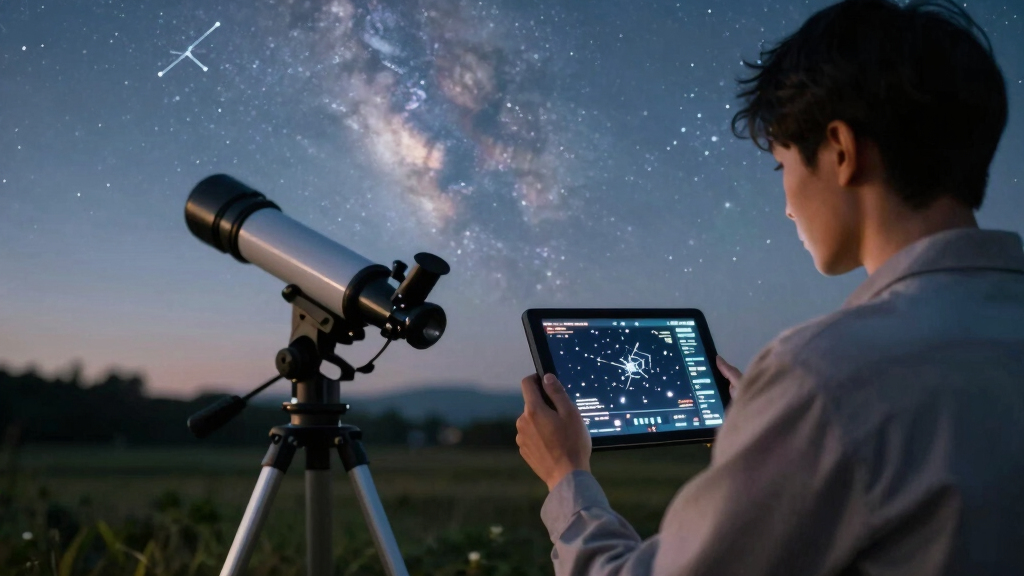
These celestial events are significant because they offer accessible, predictable opportunities for the public to observe the night sky. The full Strawberry Moon enhances lunar observation, while planetary visibility provides a chance to study planets with binoculars or small telescopes. Meteor showers, although minor, add dynamic activity to the sky, encouraging public engagement with astronomy. These events also serve as educational tools, inspiring interest in science and space exploration.

Celestron FirstScope Signature Series Moon Tabletop Dobsonian Telescope
- Warranty and Support: 2-Year US warranty with expert support
As an affiliate, we earn on qualifying purchases.
As an affiliate, we earn on qualifying purchases.
Upcoming Celestial Events and Historical Significance
The full Moon, known as the Strawberry Moon, has been observed and named by various cultures for centuries, often linked to the strawberry harvest season. Planetary visibility varies seasonally, with Venus often visible in the evening or morning sky, and Jupiter and Saturn regularly observed during their respective oppositions or conjunctions. Meteor showers like the Delta Aquariids are annual events, with peaks occurring in late July, offering predictable opportunities for observation. This week’s events build on a long tradition of sky-watching and are part of the regular lunar and planetary cycles that guide astronomers and enthusiasts alike.
“The full Strawberry Moon will be at its peak on July 3, providing a bright spectacle for observers worldwide.”
— Sky & Telescope

Celestron Cometron 7x50mm Astronomy Binoculars
- Easy-to-Use for Beginners: Ideal for learning astronomy
- 7x Magnification: Wide field of view for sky exploration
- 50mm Objective Lenses: Gather more light for brighter images
As an affiliate, we earn on qualifying purchases.
As an affiliate, we earn on qualifying purchases.
Unconfirmed Meteor Shower Activity and Weather Conditions
While the full Moon and planetary events are reliably scheduled, meteor shower activity can vary depending on local weather conditions and atmospheric clarity. The peak of the Delta Aquariids is expected around July 28, but minor activity may be observable earlier in the week. Weather forecasts for clear skies are still being monitored, and cloud cover could limit observation opportunities in some areas.
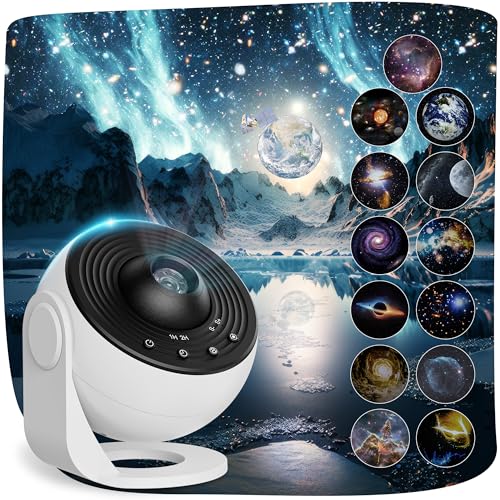
Galaxy Projector Night Light, 13-in-1 Star Projector for Bedroom, White
- Enhanced Brightness and Clarity: Twice the luminosity with HD stars
- 13 Space Scenarios: Includes 13 galaxy projection options
- Wide Coverage Area: Projects up to 754 sq ft
As an affiliate, we earn on qualifying purchases.
As an affiliate, we earn on qualifying purchases.
Upcoming Major Sky Events After July 5
Following this week, the Perseid meteor shower is expected to peak in mid-August, offering one of the most spectacular annual meteor displays. Additionally, the Moon phases will continue to cycle, providing further opportunities for lunar observation and viewing of planetary conjunctions. Astronomers and skywatchers are encouraged to stay updated with local weather forecasts and astronomical calendars for the best viewing times.

ELLO&ALLO LED Shower Panel Tower System, Rainfall and Mist Shower Head Rain Massage with Body Jets, Brushed Nickel
- Luxurious Spa-Like Shower: Rainfall, mist, and body jets
- Premium Stainless Steel Build: Durable and leak-resistant construction
- Hydroelectric LED & Temp Display: Water flow-powered lighting and controls
As an affiliate, we earn on qualifying purchases.
As an affiliate, we earn on qualifying purchases.
Key Questions
When is the best time to see the full Strawberry Moon?
The full Strawberry Moon will peak on July 3, with the best viewing conditions typically occurring in the early morning hours before dawn.
Which planets are visible this week?
Venus will be visible in the evening sky, shining brightly. Jupiter and Saturn will be visible in the early morning hours, weather permitting.
Are meteor showers visible this week?
Minor activity from the Delta Aquariids may be observed, but the main peak occurs around July 28. Clear, dark skies increase the chances of seeing shooting stars.
What equipment is needed to observe these events?
Most events, including the full Moon and planets, can be observed with the naked eye. Binoculars or small telescopes can enhance the view, especially for planetary details.
Source: google-trends
Flea & tick season Picks
flea and tick prevention
As an affiliate, we earn on qualifying purchases.