
TL;DR

Get school and study supplies delivered free — and shop member deals
- Fast, free delivery on millions of items
- Access to Prime Big Deal Days deals on October 6–7
- Prime Video, Amazon Music and more included
Washington DC is currently experiencing an extreme heat wave with temperatures surpassing 105°F, leading to health warnings and emergency responses. The event is part of a broader climate trend, with ongoing efforts to manage the impact. For more on how Europe is affected, see Live updates: Europe braces for brutal, record-breaking temperatures as heat wave intensifies.
Washington DC is currently experiencing an extreme heat wave with temperatures exceeding 105°F, the highest recorded in the city for this time of year. France records its hottest day ever as Europe withers in early heat wave. The surge in heat has prompted health warnings, emergency cooling centers, and increased medical calls, as officials warn residents to take precautions. This event underscores the intensifying impact of climate change on urban areas.
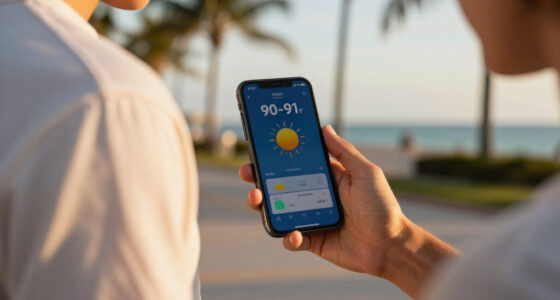
According to the National Weather Service, temperatures in Washington DC reached a peak of 106°F early this afternoon, breaking previous records for August. The heat has persisted for several days, with forecasts predicting similarly high temperatures through the weekend. This pattern highlights the importance of understanding climate change and its effects. Local health departments have issued heat advisories, urging vulnerable populations—such as the elderly and those with pre-existing conditions—to stay indoors and hydrate.
Emergency services report a surge in heat-related medical calls, including heat exhaustion and heatstroke cases. The city has opened additional cooling centers across neighborhoods, and transportation authorities are advising residents to avoid outdoor activities during peak heat hours. The National Weather Service has also issued a heat warning, emphasizing the risk of heat-related illnesses and dehydration.
Why the DC Heat Wave Signals Broader Climate Trends
This heat wave highlights the increasing frequency and intensity of extreme weather events linked to climate change. Urban areas like Washington DC are particularly vulnerable due to dense populations and limited green spaces, which exacerbate heat retention. The event underscores the urgent need for adaptation strategies, including infrastructure improvements and public health preparedness, to protect residents from escalating climate risks.
As an affiliate, we earn on qualifying purchases.
Recent Trends and Climate Factors Behind the Heat
Washington DC has experienced a series of intense heat events over the past decade, with record-breaking temperatures becoming more common. Experts attribute this trend to global climate change, which has led to more frequent and severe heat waves across the United States. The current event follows a pattern seen in other major cities, where rising temperatures are straining public health systems and infrastructure.
Historically, the city’s hottest days have occurred in July and August, but recent years have seen these temperatures shift earlier and become more extreme. Local officials have called for increased investment in green infrastructure and cooling solutions to mitigate future risks.
“This heat wave in Washington DC is a clear indication of how climate change is intensifying weather extremes, especially in urban environments.”
— Dr. Lisa Carter, Climate Scientist
As an affiliate, we earn on qualifying purchases.
Uncertainties About the Duration and Long-Term Impact
It is not yet clear how long the current heat wave will persist or whether temperatures will reach similar or higher levels later in the season. Experts also caution that the full health and infrastructure impacts are still being assessed, and long-term climate projections remain uncertain due to variability in weather patterns and climate models.
hydration water bottle with filter
As an affiliate, we earn on qualifying purchases.
As an affiliate, we earn on qualifying purchases.
Next Steps for Managing the Heat Wave and Climate Resilience
Meteorologists will continue monitoring the heat wave, providing updates on its duration and intensity. Local authorities plan to extend cooling center operations and increase public awareness campaigns. Additionally, policymakers are expected to consider long-term climate adaptation measures, including urban greening and infrastructure upgrades, to reduce future vulnerability to similar events.
As an affiliate, we earn on qualifying purchases.
Key Questions
How long is the heat wave expected to last?
Current forecasts suggest the high temperatures may persist through the weekend, but exact duration remains uncertain as weather patterns evolve.
What health precautions should residents take?
Residents are advised to stay indoors during peak heat hours, stay hydrated, wear lightweight clothing, and visit cooling centers if needed. Vulnerable populations should be especially cautious.
Are similar events happening elsewhere in the US?
Yes, several cities across the US are experiencing record-breaking heat waves, reflecting broader climate change impacts on weather patterns.
What is the city doing to prepare for future heat events?
Washington DC is investing in green infrastructure, expanding cooling centers, and updating emergency response plans to better handle future heat waves.
Source: google-trends
Halloween Picks
halloween
As an affiliate, we earn on qualifying purchases.