
TL;DR

Prime made for students and young adults
- Fast, free delivery for dorm and study essentials
- Prime Video and Amazon Music included
- Member-only deals
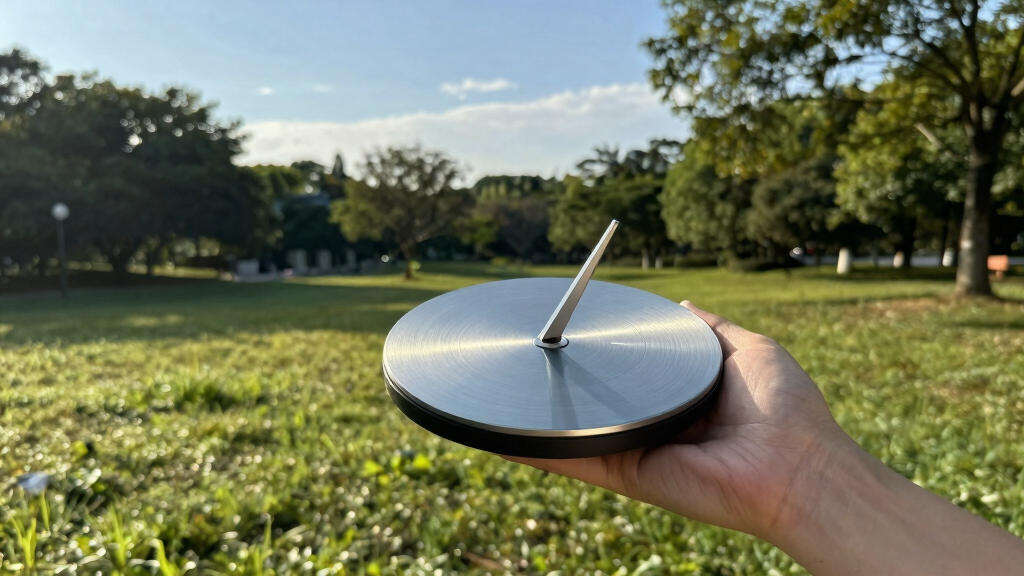
The summer solstice 2026 occurs on June 21, marking the longest and brightest day of the year. It is an important astronomical event with cultural significance worldwide.
The summer solstice 2026 will occur on June 21, making it the day with the longest duration of daylight this year. This event is significant for astronomers, cultural traditions, and outdoor activities worldwide.
Confirmed by astronomical calculations, the summer solstice in 2026 will take place on June 21, when the Sun reaches its highest point in the sky at noon for the Northern Hemisphere. This results in the longest period of daylight, typically lasting about 15 hours in many locations. The event marks the start of summer in the Northern Hemisphere and winter in the Southern Hemisphere. According to NASA and other astronomical authorities, the precise timing varies slightly based on geographic location, but June 21 is generally recognized as the date for 2026. The solstice has been observed for thousands of years, often celebrated with festivals and rituals, especially in cultures with historical ties to solar worship or agricultural cycles.
Why the 2026 Summer Solstice Matters
The summer solstice is a key astronomical event that influences cultural traditions, outdoor planning, and scientific observations. It also marks the beginning of summer, impacting agriculture and tourism. For many, it is a symbol of the longest day of the year, often associated with festivals and celebrations. The event’s timing can also aid in understanding Earth’s axial tilt and orbit, which are fundamental to climate and seasonal cycles. As such, the 2026 solstice provides an opportunity for both scientific and cultural engagement, reinforcing the importance of solar observations in history and modern life.
As an affiliate, we earn on qualifying purchases.
Historical and Cultural Significance of the Summer Solstice
The summer solstice has been observed for thousands of years, with ancient civilizations such as the Stonehenge builders, the Egyptians, and the Mayans marking the event with rituals and monuments aligned to the Sun. In modern times, it remains a cultural milestone, celebrated in various forms worldwide. Astronomically, it occurs due to Earth’s axial tilt of approximately 23.5 degrees, which causes the Sun to reach its highest apparent position in the sky at noon. The date varies slightly each year because of leap years and Earth’s orbital mechanics, but June 21 is generally accepted for 2026. The event also influences ecological patterns, such as plant growth and animal behavior, tied to daylight hours.
“Throughout history, the summer solstice has been celebrated with festivals, rituals, and gatherings, symbolizing renewal, abundance, and the power of the Sun.”
— Cultural historian Maria Lopez
summer solstice outdoor celebration kit
As an affiliate, we earn on qualifying purchases.
As an affiliate, we earn on qualifying purchases.
Timing Variations and Regional Differences
While June 21 is generally recognized as the date for the 2026 summer solstice, the exact timing of the peak sunlight can vary by location. Some regions may experience the longest day slightly earlier or later due to geographical and atmospheric factors. Additionally, weather conditions can affect the visibility of the Sun during the event, but the astronomical timing remains precise according to calculations from NASA and other observatories.
As an affiliate, we earn on qualifying purchases.
Upcoming Solar and Cultural Events Around the Solstice
Following the 2026 summer solstice, there will be continued astronomical observations and cultural celebrations throughout the summer months in the Northern Hemisphere. Researchers will analyze data related to Earth’s tilt and orbit, while communities may hold festivals and events to mark the occasion. The next solstice will occur on December 21, 2026, signaling the shortest day of the year and the start of winter.
As an affiliate, we earn on qualifying purchases.
Key Questions
When exactly will the summer solstice occur in 2026?
The summer solstice in 2026 is expected to occur on June 21, with the exact timing depending on your geographic location. In most parts of the Northern Hemisphere, the Sun will reach its highest point around midday local time.
Why is the summer solstice the longest day of the year?
The solstice occurs because Earth’s axial tilt causes the Sun to be at its highest position in the sky during the year at noon, resulting in the longest duration of daylight in the Northern Hemisphere.
How do different cultures celebrate the solstice?
Many cultures have traditional festivals, rituals, and gatherings to celebrate the solstice, often focusing on themes of renewal, light, and abundance. Examples include Midsummer festivals in Scandinavia and ancient solstice rituals at Stonehenge.
Will the date of the solstice change in future years?
Yes, the date can vary slightly each year due to Earth’s orbit and leap years. Typically, the solstice occurs between June 20 and June 22.
Source: google-trends
Fall Picks
fall essentials
As an affiliate, we earn on qualifying purchases.