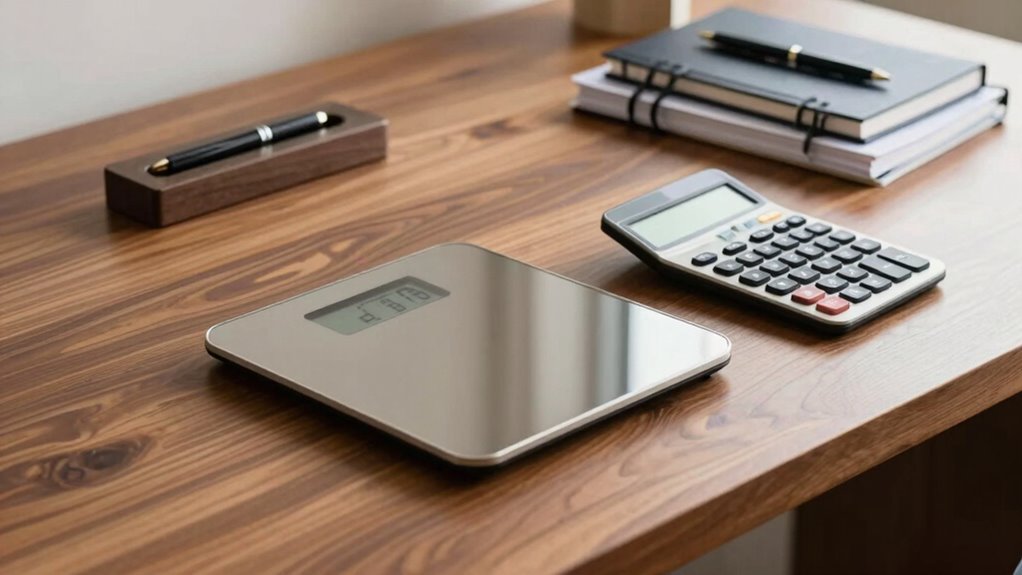

To calculate your desk’s real load in three steps, start by listing all items you’ll place on it, like monitors, books, or equipment. Next, find or estimate each item’s weight and add them together. Then, add a safety margin of 20-30% to cover future additions. Compare your total with your desk’s maximum capacity to guarantee safety. Keep going for more tips on choosing a sturdy desk that handles your workload safely.
Play games included with Prime
Start a Prime free trial and play with Amazon Luna on your devices.
As an affiliate, we earn on qualifying purchases.
Key Takeaways
- List all items to be placed on the desk and check their individual weights.
- Add a safety margin of 20-30% to account for future additions or accidental bumps.
- Compare the total weight, including safety margin, to the desk’s specified weight capacity.
- Consider the desk’s design, materials, and reinforcement features to ensure it can support the calculated load.
- Opt for a sturdier or reinforced desk if your total load approaches or exceeds its rated capacity.
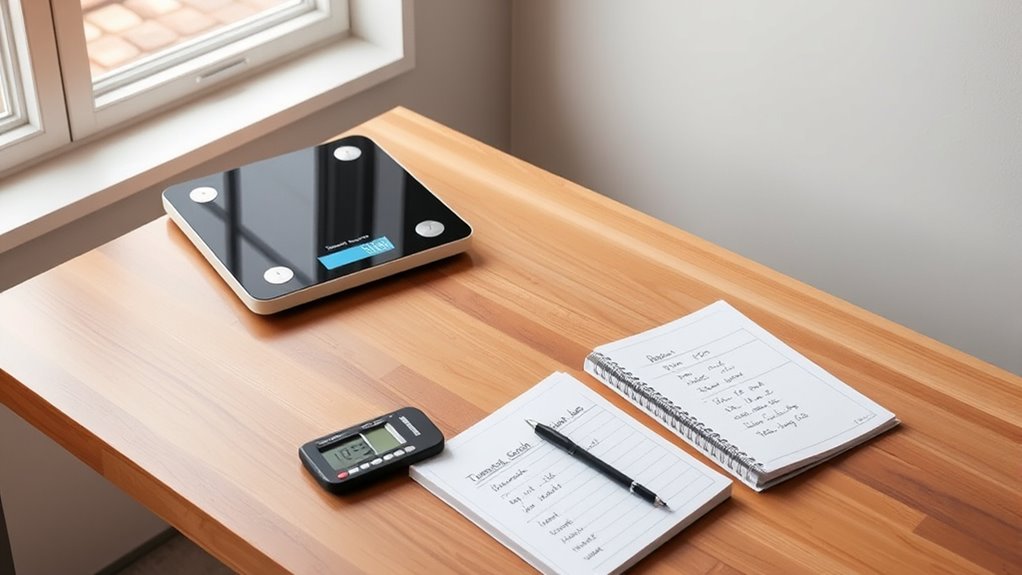
When choosing a desk, understanding its weight capacity is vital to guarantee it can support your needs safely. This is especially important if you plan to place heavy equipment or multiple items on it regularly. To get an accurate idea of what your desk can handle, you need to evaluate its design and construction carefully. An ergonomic design isn’t just about comfort; it also influences how weight is distributed across the surface, affecting overall stability. A well-designed desk distributes weight evenly, reducing stress on any single point and minimizing the risk of damage or collapse. Additionally, considering the material durability of the desk can help ensure long-term support and stability. material durability plays a significant role in determining a desk’s load-bearing capacity. Desks made from high-quality materials like solid wood, steel, or reinforced particleboard tend to support heavier loads compared to cheaper or lower-grade alternatives. When evaluating a desk, look at the quality of its materials—thicker, denser surfaces and sturdy frame components indicate better durability and higher weight capacity. Remember, even a stylish desk with an ergonomic design can’t support much if it’s built with flimsy materials. Conversely, a simple, robust construction made from durable materials can often handle more weight than a fancy but poorly constructed piece.
Understanding your desk’s weight capacity ensures safe support for all your equipment and accessories.
Calculating your real load starts with understanding what you’ll place on the desk. Make a list of all items, including monitors, printers, books, and anything else you plan to keep there regularly. Check the weight of each item, and add a safety margin—about 20-30%—to account for potential future additions or accidental bumps. Once you have this total, compare it to the desk’s listed weight capacity, which you can usually find in the product specifications or user manual. If it’s close to or exceeds the maximum capacity, consider opting for a sturdier desk or reinforcing the current one with additional support.
It’s also wise to consider how the ergonomic design influences weight capacity. Features like adjustable height legs or reinforced support beams enhance stability and allow you to customize the setup without risking structural failure. If your workspace demands heavy equipment or multiple monitors, prioritize desks with reinforced frames and durable materials. Ultimately, a desk with a well-thought-out ergonomic design and excellent material durability ensures you can work comfortably and safely, without worrying about your workspace collapsing under the weight of your tools. Taking these steps ensures you select a desk that can support your needs now and in the future, providing a reliable foundation for your work or hobbies.
Frequently Asked Questions
How Often Should I Re-Evaluate My Desk’s Load Capacity?
You should re-evaluate your desk’s load capacity whenever you make ergonomic adjustments or add new equipment, like monitors or shelves. Regularly checking guarantees you stay within safety guidelines and prevent damage or injury. If your workspace changes or you notice signs of strain, it’s time to reassess. Doing this every six months or after significant changes helps maintain a safe, ergonomic setup and prolongs your desk’s lifespan.
Can I Add Extra Supports to Increase My Desk’s Weight Limit?
Think of your desk as a sturdy bridge. Yes, you can add additional support to bolster its weight enhancement. Installing braces or braces underneath acts like extra cables, strengthening the structure. This prevents sagging and potential collapse. Guarantee the supports are sturdy and properly installed, and always check your desk’s maximum weight capacity. With proper reinforcement, you can safely hold more without risking damage or safety.
What Are Signs My Desk Is Overloaded?
You’ll notice signs like wobbling or creaking, which indicate your desk is overloaded. Excess weight can also cause the surface to sag or develop cracks, affecting ergonomic adjustments and comfort. For aesthetic considerations, overloaded desks may look uneven or damaged. Pay attention to these clues to prevent further damage, and consider redistributing weight or adding supports to maintain stability and preserve its appearance.
Does Material Type Affect the Weight Capacity?
Yes, material type affects your desk’s weight capacity. You should consider material durability because stronger materials like solid wood or metal can support more weight than weaker ones like particleboard. Proper weight distribution also plays a role; evenly spreading your load prevents stress on specific areas. By choosing durable materials and balancing your items, you guarantee your desk stays sturdy and safe for use.
How Does Uneven Weight Distribution Impact Desk Stability?
Imagine stacking books unevenly on a shelf—you’ll notice balance issues and risk tipping. Similarly, uneven weight distribution on your desk compromises its stability, putting stress on specific areas and threatening structural integrity. When weight isn’t evenly spread, it causes wobbling or even damage over time. To keep your desk sturdy, always distribute items evenly, ensuring balanced load, and avoid placing heavy objects on just one side.
Conclusion
Now that you know how to calculate your desk’s weight capacity in just three simple steps, you can confidently load it without worry. Remember, overloading can lead to damage—a real tragedy, like spilling your ink in a Victorian study! Keep your loads reasonable, measure carefully, and enjoy your sturdy desk. With these tips, you’ll avoid mishaps and keep your workspace safe, just like a proper noble keeping their castle’s defenses intact.
NFL season / tailgating Picks
team gear
As an affiliate, we earn on qualifying purchases.