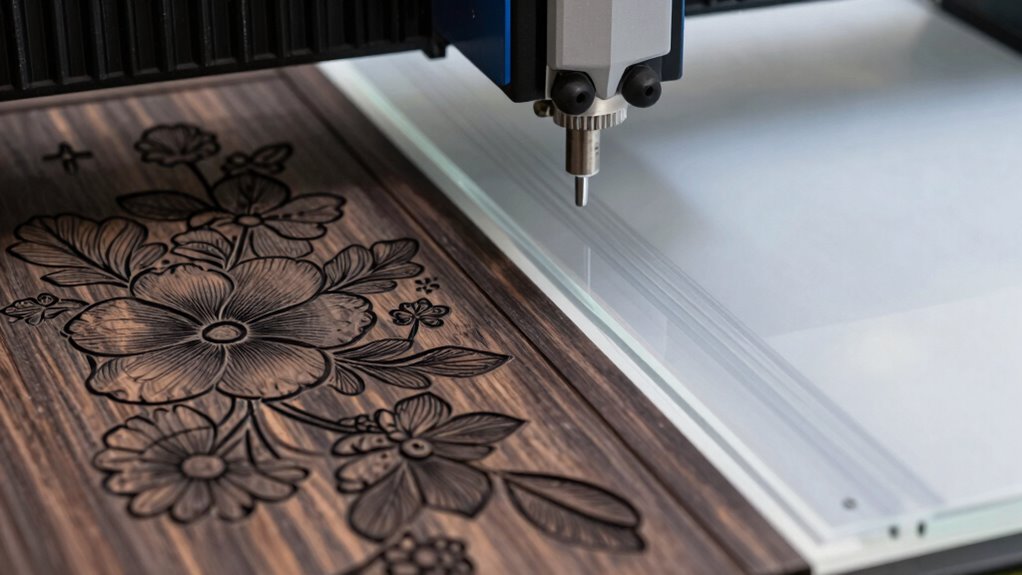

Laser engraving and cutting serve different purposes: engraving creates detailed designs, text, or textures by removing a thin layer of material on the surface, ideal for fine detail and branding. Cutting severs material completely along a line, producing precise shapes or parts. Both can work on materials like wood, acrylic, and leather, but cutting generally requires more power and is suited for shaping, while engraving emphasizes intricate surface details. To master these techniques, explore how each process suits your project’s needs.
Key Takeaways
- Engraving removes a thin surface layer for detailed designs, while cutting severs material completely along a line.
- Engraving is ideal for fine details, textures, and decorative elements; cutting is best for shaping and separating materials.
- Both processes work well on softer materials like wood and acrylic; metals and glass have specific limitations.
- Engraving offers high precision for intricate patterns; cutting provides clean edges for shapes and parts.
- Choosing between engraving and cutting depends on material type, thickness, and desired outcome.
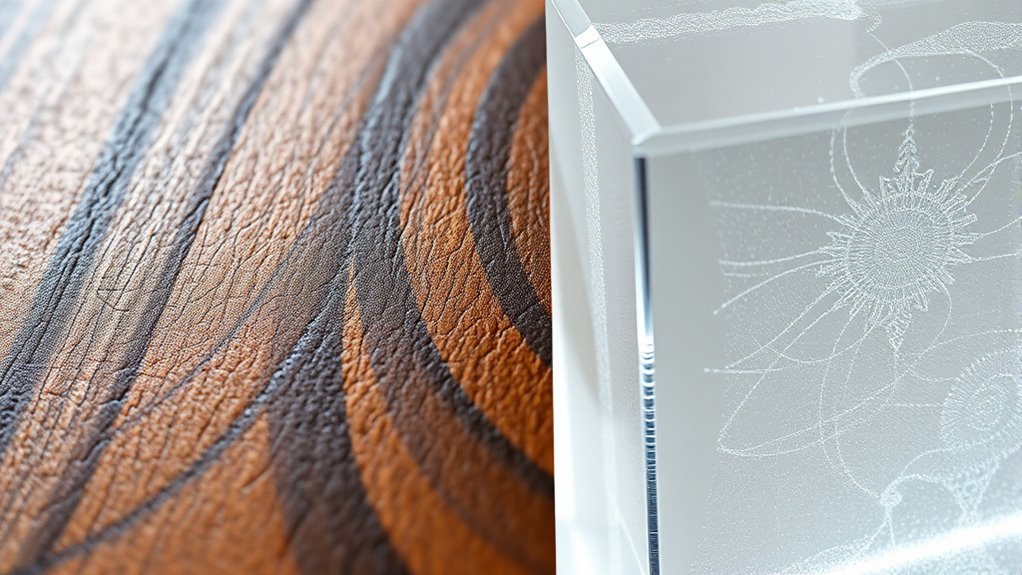
When choosing between engraving and cutting, understanding their differences is essential for achieving the desired results. Both processes utilize laser technology but serve distinct purposes, and your choice depends heavily on the material you’re working with and the level of detail you need. Engraving involves etching or carving into a surface, removing a thin layer of material to create designs, text, or textures. Cutting, on the other hand, completely severs the material along a specified line, producing shapes, parts, or intricate patterns. Recognizing these differences helps you select the right method for your project.
Understanding laser engraving versus cutting ensures precise results tailored to your material and project needs.
Material compatibility plays a critical role to ensure the process is effective and avoids damage. Some materials respond better to one process over the other. For instance, softer materials like wood, leather, and acrylic are well-suited for both engraving and cutting, but the thickness and type influence the outcome. Metals such as stainless steel or aluminum are typically more challenging to cut with a standard laser, often requiring specialized equipment, but they can be engraved effectively. Conversely, materials like glass may only be engravable, as cutting through them isn’t feasible with conventional laser setups. Checking the material’s properties guarantees you avoid damage or subpar results.
Another key factor to consider is the precision differences between engraving and cutting. When you engrave, the laser removes a minuscule amount of material, allowing for highly detailed, fine lines and subtle textures. This process is ideal for adding intricate designs, logos, or text to surfaces with crisp detail. Cutting usually demands a different laser setting, focusing on delivering enough power to sever the material completely along a clean, sharp line. Although both processes can achieve high precision, engraving generally offers more control over delicate details, while cutting emphasizes clean edges and shapes. Your project’s complexity and the level of detail needed will guide which method to focus on.
Additionally, understanding the difference in technology applications can help you optimize your workflow and achieve better results. Ultimately, understanding how material compatibility and precision differences influence your laser work helps you make informed decisions. If you need to add fine detail or decorative elements, engraving is your best choice. If you aim to create shapes or separate pieces from a sheet, cutting is more suitable. Both techniques can be highly effective when you match the process to the material and desired outcome. By grasping these fundamental differences, you guarantee your laser projects are precise, efficient, and visually appealing, no matter the material or design complexity involved.

Twotrees TTS-55 Pro Laser Engraver 5500mW Laser Engraving Machine,Laser Cutter,30000mm/min Speed,0.08mm Laser Spot Engraver Machine for DIY,Wood,Metal,Acrylic,Glass,Stainless Steel
【Upgraded Laser Power with Air Assist Support】The TTS-55 PRO features a powerful 5500 mW (5.5W) laser (Class II)…
As an affiliate, we earn on qualifying purchases.
As an affiliate, we earn on qualifying purchases.
Frequently Asked Questions
Can Laser Engraving Be Used on All Materials?
Laser engraving can’t be used on all materials because of material limitations and surface compatibility issues. Some materials, like certain plastics or reflective metals, may not respond well or could be damaged during engraving. You should check if your material can handle laser exposure without warping or discoloring. Always test a small area first to ensure the laser will produce a clean, precise engraving without harming the surface.
How Precise Are Laser Cuts Compared to Traditional Methods?
Think of laser cuts as a surgeon’s precise scalpel, slicing through material with unmatched accuracy. You’ll find laser cutting is generally more precise than traditional methods, especially when it comes to following the material grain and achieving edge smoothness. This technology minimizes material distortion, allowing you to create intricate designs and clean edges. You’ll appreciate how laser cuts give you a level of detail that’s hard to match with conventional tools.
What Safety Precautions Are Necessary for Laser Cutting and Engraving?
You should always wear protective gear like safety glasses and gloves whenever laser cutting or engraving. Make certain your workspace has proper ventilation systems to remove fumes and particles generated during the process. Keep a fire extinguisher nearby and avoid flammable materials. Regularly inspect equipment for safety hazards, and follow manufacturer guidelines. Staying vigilant with these precautions helps protect you from potential hazards and ensures a safe, efficient operation.
How Does Laser Power Affect Engraving and Cutting Quality?
Higher laser power increases cutting speed and depth, but it can also impact engraving quality by causing burn marks or uneven surfaces. If you use lower laser power, you’ll achieve finer, more detailed engravings with smoother finishes. Balancing laser power is essential; too much can degrade quality, while too little might not cut or engrave effectively. Adjust your settings based on your material and desired outcome for ideal results.
Are There Environmental Impacts Associated With Laser Engraving and Cutting?
You may notice that laser engraving and cutting can have environmental impacts, but eco-friendly practices help lessen these. By choosing recyclable materials and managing waste responsibly, you minimize pollution. Laser technology itself produces minimal emissions compared to traditional methods, making it a cleaner option. Incorporating sustainable practices ensures your projects are environmentally conscious, helping protect natural resources while still achieving precise, high-quality results.

Professional Acrylic Plexiglass Sheet Cutter Scoring Knife Tool,With a Curved Handle,It Is More Convenient To Use.One handle,11 blades.(Yellow)
This acrylic hook knife tool is specially used to cut acrylic sheets or other plastic sheets. Acrylic sheets…
As an affiliate, we earn on qualifying purchases.
As an affiliate, we earn on qualifying purchases.
Conclusion
Now that you know the difference, imagine your laser as a skilled artist—either etching delicate patterns into wood or slicing through metal with precision. Whether you’re creating intricate designs or clean cuts, each laser type opens a world of creative possibilities. So, pick your tool, set your imagination free, and watch as your ideas come to life, shimmering like a finely carved gemstone or a perfectly cut masterpiece, ready to impress.
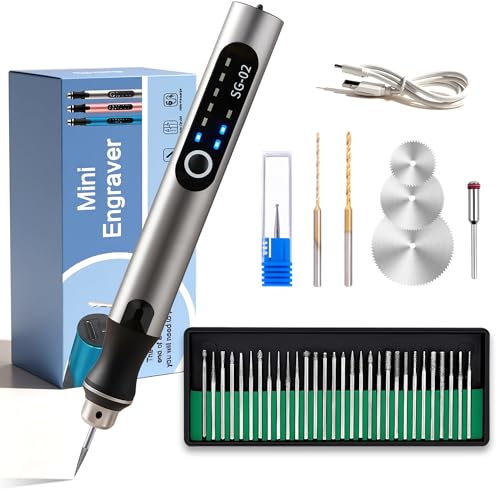
USB Rechargable Engraving Machines Pen with 35bits,Mini Electric Engraver Etching Machines Cordless Rotary Tools Engraved Jewelry Stone Metal Plastic Wood Resin Model
USB WIRELESS ENGRAVER:These engraving tool rechargable by USB interface. Cordless using will be up to 30 minutes idling…
As an affiliate, we earn on qualifying purchases.
As an affiliate, we earn on qualifying purchases.
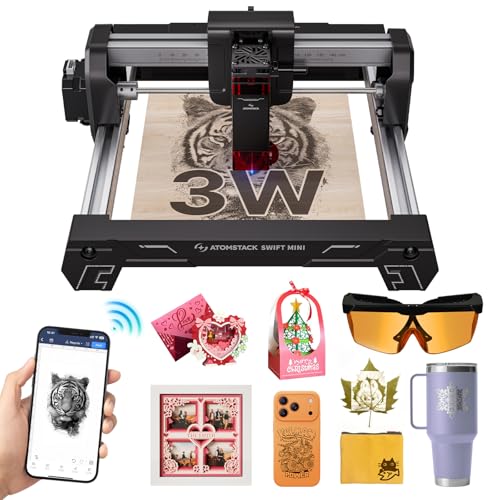
ATOMSTACK Swift Laser Engraver 3W for Beginners Swift Laser Cutter Machine Desktop Fully Pre-Assembled 135×145mm Area, 0.04mm High Precision DIY Wood, Leather, Crafts, Acrylic, Gifts, 3000mW
Fully Pre-Assembled, The Easiest Beginner Laser Engraver : ATOMSTACK Swift laser engraver mini 3000mW arrives 100% pre-assembled, so…
As an affiliate, we earn on qualifying purchases.
As an affiliate, we earn on qualifying purchases.