TL;DR

Prime made for students and young adults
- Fast, free delivery for dorm and study essentials
- Prime Video and Amazon Music included
- Member-only deals
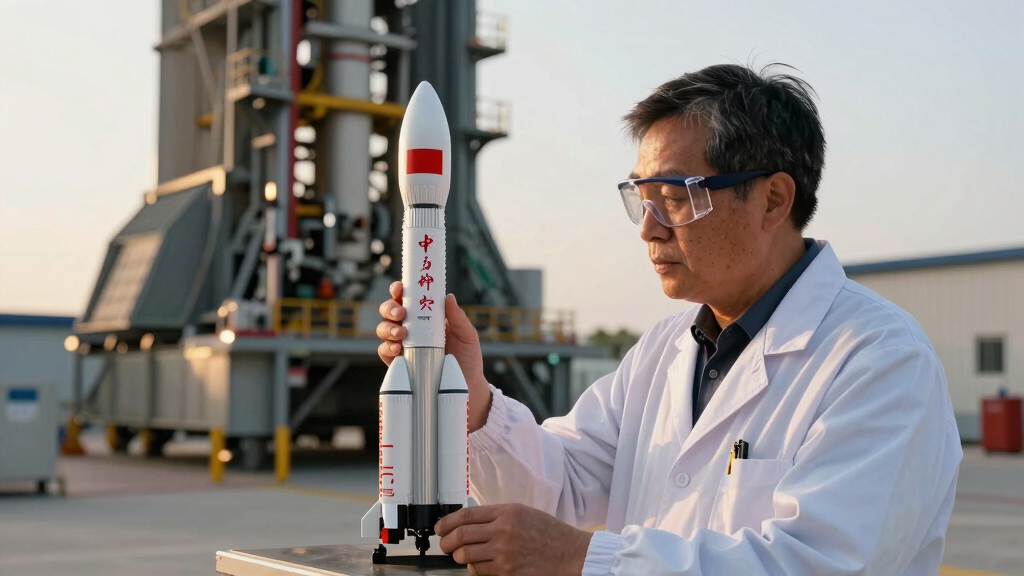
China has successfully landed a rocket during its first orbital launch, marking a historic milestone in spaceflight. This achievement demonstrates new capabilities in rocket reusability and space technology for China.
China has successfully landed a rocket during its first-ever orbital launch, marking a historic milestone in space exploration. This achievement was confirmed by Chinese space authorities and signals a significant advancement in the country’s space capabilities, potentially impacting future space missions and reusability technology.
The Chinese space agency, CNSA, conducted its first orbital launch that included a successful controlled landing of the rocket’s first stage. The launch took place on March 25, 2024, from the Wenchang Spacecraft Launch Site. According to official reports, the rocket’s first stage executed a controlled descent and landing on a designated platform, a feat previously achieved only by a few space agencies, notably SpaceX.
This milestone was confirmed through live footage and official statements from CNSA, which highlighted that the landing was successful and the rocket was recovered intact. The launch involved the Long March 6C rocket, which carried multiple payloads into orbit, including satellites for scientific and commercial purposes. The ability to land and reuse rockets is seen as a key step toward reducing launch costs and increasing sustainability in space operations.
Why China’s Rocket Landing Marks a New Era in Spaceflight
This achievement signifies a major technological breakthrough for China, aligning with global trends toward reusable rocket technology. It demonstrates China’s capacity to develop space launch systems that can recover and potentially reuse components, similar to the approach pioneered by SpaceX. Such capabilities could lower costs for future missions, enhance China’s independence in space access, and accelerate the development of satellite networks, lunar exploration, and other space projects.
Furthermore, this milestone positions China as a more competitive player in the international space industry, potentially influencing global space policy and commercial launch markets. It also reflects growing ambitions to establish a sustainable presence in space, including plans for lunar and Mars exploration.
As an affiliate, we earn on qualifying purchases.
Background on China’s Space Launch and Reusability Efforts
China has significantly expanded its space program over the past decade, with notable achievements including lunar landings, Mars rover missions, and the development of its own space station, Tiangong. Prior to this event, China had conducted multiple successful launches but had not publicly demonstrated rocket recovery during an orbital mission.
Reusability technology has been a focus for several space agencies worldwide, with SpaceX leading the way through repeated successful landings of Falcon 9 boosters. China has been developing similar capabilities, but this is the first confirmed instance of a rocket landing during an orbital launch, marking a new chapter in its space program.
“This successful landing demonstrates China’s growing capabilities in space technology and marks a significant step toward sustainable space exploration.”
— Wang Li, CNSA spokesperson
As an affiliate, we earn on qualifying purchases.
Unanswered Questions About Future Reusability and Scale
It remains unclear whether China plans to routinely recover and reuse rockets in future launches or if this was a one-time test. Details about the specific technology used for the landing, the reusability of the rocket components, and the long-term operational plans are still emerging. Additionally, the extent to which this will influence China’s space program and international collaborations is yet to be determined.
As an affiliate, we earn on qualifying purchases.
Next Steps for China’s Reusable Rocket Program
China is expected to conduct further tests to validate the reusability of its rockets and will likely aim for multiple successful landings in upcoming launches. The government and CNSA may also release additional technical details and outline future plans to integrate reusability into their broader space development strategy. International observers will be watching to see if China scales up this capability to commercial and scientific missions.
As an affiliate, we earn on qualifying purchases.
Key Questions
What type of rocket did China use for this landing?
China used the Long March 6C rocket for this historic launch and landing.
Why is rocket landing important for space missions?
Landing and reusing rocket stages can significantly reduce launch costs, improve sustainability, and enable more frequent space missions.
Has China successfully recovered rockets before?
This is China’s first confirmed instance of recovering a rocket during an orbital launch, marking a major milestone in its space program.
Will China start reusing rockets regularly?
It is not yet clear whether China will adopt routine reusability, but subsequent tests are likely to clarify their long-term plans.
How does this compare to SpaceX’s achievements?
SpaceX has been routinely landing and reusing Falcon 9 boosters since 2015, making China’s achievement a significant but still early step in similar capabilities.
Source: google-trends
Columbus Day / Indigenous Peoples' Day Picks
long weekend sales
As an affiliate, we earn on qualifying purchases.