
TL;DR

Prime made for students and young adults
- Fast, free delivery for dorm and study essentials
- Prime Video and Amazon Music included
- Member-only deals
You can process one video on your own hardware and instantly generate every asset you need—thumbnails, clips, captions, social posts—all without relying on cloud services. This approach boosts privacy, cuts costs, and speeds up your publishing workflow.
Imagine finishing a video and having the entire publishing toolkit ready within minutes—no cloud, no waiting. That’s the promise of a local-first, AI-powered workflow that turns one video into dozens of assets, all stored and processed on your machine. It’s a game changer for creators who crave speed, control, and privacy, without the cloud’s ongoing costs.
This isn’t just about automation; it’s about reclaiming your media from the cloud’s grip. You’ll learn how a single upload can spawn thumbnails, clips, social posts, transcripts, and more—straight from your hardware. Ready to see how? Let’s walk through how this works, what it costs, and why it matters. For more on local media processing, see this guide.
Key Takeaways
- Processing videos locally can produce a full suite of assets—thumbnails, clips, captions, social posts—faster than cloud services.
- You gain control over your data, avoid recurring cloud fees, and speed up your publishing cycle.
- A capable machine (recent GPU, decent CPU) is essential for smooth local AI workflows.
- AI accuracy for captions and scene detection is high but still benefits from human review.
- This approach suits creators, educators, and security teams who prioritize speed, privacy, and cost control.
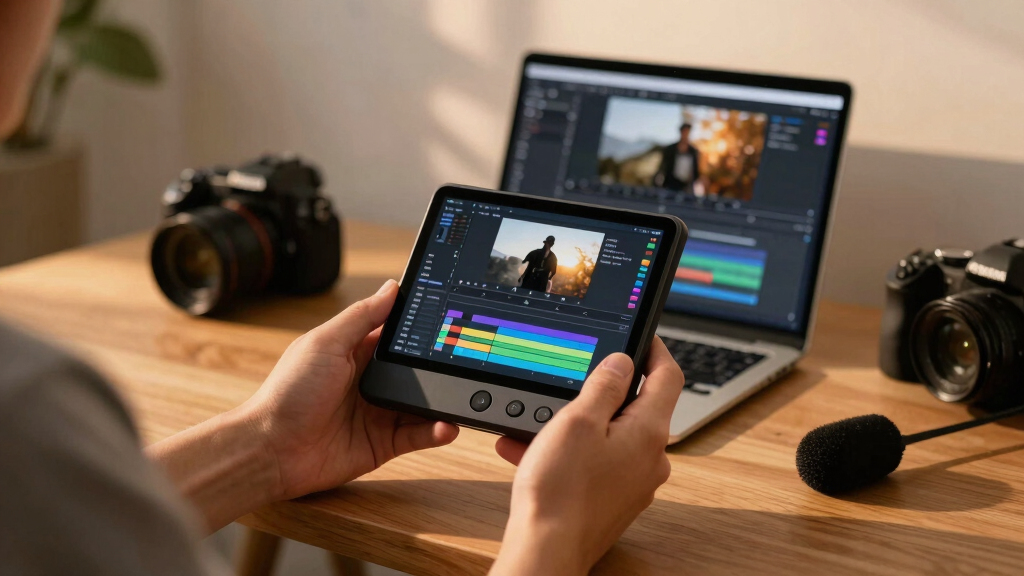
high performance GPU for video editing
As an affiliate, we earn on qualifying purchases.
As an affiliate, we earn on qualifying purchases.
Why ‘Without the Cloud’ Means More Control and Privacy
Processing videos locally means your content stays on your own hardware—safe from third-party servers. This reduces the risk of leaks and gives you full control over your data. Plus, no more subscription fees or ongoing cloud costs. Imagine editing a video and having all your assets ready in minutes without waiting for uploads or downloads. That’s the power of on-device processing, as seen in systems like [UniFi AI Key](https://channelhelm.com/).
For example, a media team at a local news station can analyze CCTV footage, generate reports, and prepare social clips—all on-site. No cloud means faster turnaround, fewer privacy concerns, and less money spent on recurring fees. It’s a win for anyone who values control and speed over dependency.
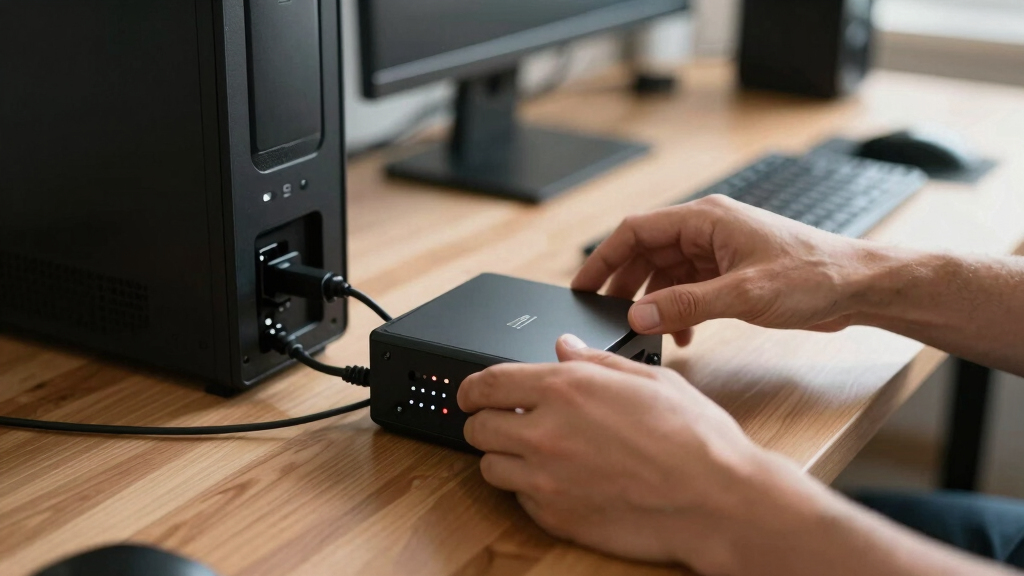
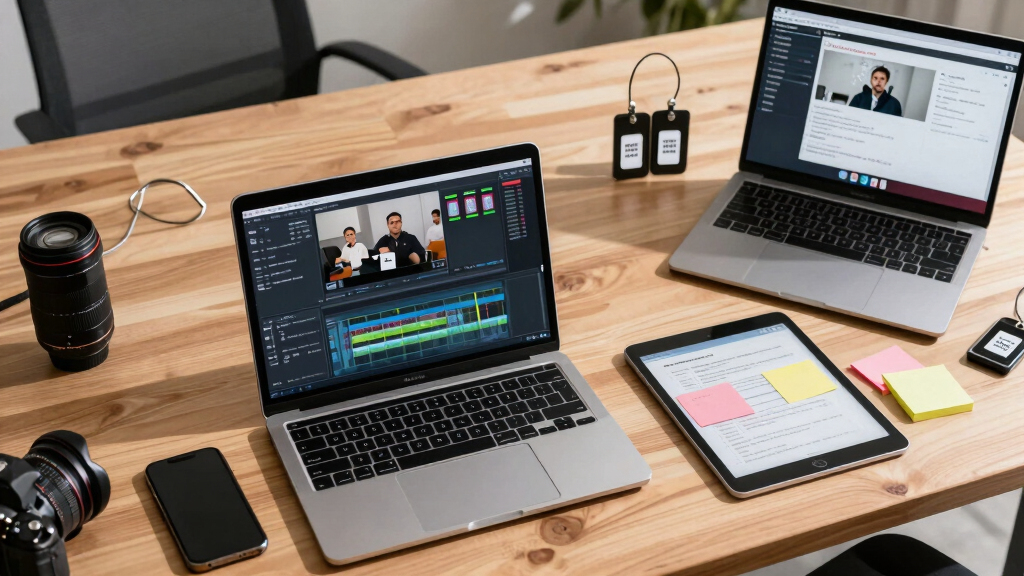
video editing workstation with AI capabilities
As an affiliate, we earn on qualifying purchases.
As an affiliate, we earn on qualifying purchases.
How One Video Turns Into a Full Publishing Kit in Four Steps
Processing one video into all its assets isn’t magic; it’s a step-by-step workflow. Here’s how a local system like ChannelHelm does it:
- Ingest: Drop your video file or paste a YouTube link. The system recognizes the channel and pulls in the media.
- Understand: AI transcribes speech with speaker IDs, analyzes visuals for scene changes, reads on-screen text, and fuses all info into a single timeline.
- Generate assets: Titles, descriptions, thumbnails, clips, social posts, and blog drafts are drafted automatically based on the analysis.
- Review & Publish: You review everything in a streamlined studio interface, approve, and publish directly from your machine.
This rapid cycle means you’re not waiting days or paying monthly cloud fees. Everything happens locally—fast, private, and under your control.

As an affiliate, we earn on qualifying purchases.
What Assets Can You Get From One Video? The Complete Breakdown
Think of a single video as a seed. From it, you can grow a full garden of publishable assets—all processed locally. Here’s what’s possible:
| Asset Type | What It Does | Example |
|---|---|---|
| Thumbnails | Eye-catching images for social and platform previews | A vibrant, close-up shot of a speaker mid-sentence, auto-generated from key moments |
| Clips & Shorts | Short, engaging snippets for TikTok, reels, or Shorts | A 15-second clip highlighting a key point, cut precisely at a word boundary |
| Captions & Transcripts | Accurate subtitles and text for SEO or accessibility | Closed captions synced perfectly with speech, with speaker labels |
| Social Posts & Threads | Text snippets, hashtags, and post drafts for multiple platforms | A Twitter thread summarizing the video’s main ideas, with hashtags and mentions |
| Blog & Newsletter Drafts | Written summaries, articles, or email snippets | A 500-word blog draft highlighting the video’s key takeaways, ready to publish |
| Metadata & Tags | SEO-optimized titles, tags, and descriptions | Title scored 95/100 for engagement, with relevant hashtags |
Each of these assets is not just a static file but a strategic element that can significantly enhance your content’s reach and engagement. Because they are generated locally, you have immediate access to refine and adapt them without the delays and privacy concerns associated with cloud processing. This is especially important for creators and photographers who value control over their media.

privacy-focused video editing tools
As an affiliate, we earn on qualifying purchases.
As an affiliate, we earn on qualifying purchases.
Tradeoffs: Hardware, Setup, and AI Accuracy—What You Need to Know
Going local isn’t without its costs. You’ll need a capable machine—think a recent desktop with a decent GPU. The initial setup can be complex, especially if you’re integrating new tools like ChannelHelm. But once set, the speed and privacy gains are worth it.
AI accuracy varies. For captions and scene detection, expect about 90-95% accuracy, which is good enough for most practical purposes but still needs a human touch for perfect quality. The key is balancing hardware investment against your production needs.
Choosing local AI workflows means accepting some tradeoffs. While you gain control and privacy, you also shoulder the responsibility for hardware maintenance, updates, and troubleshooting. The initial investment in quality hardware can be significant, but it pays off in faster turnaround times and data security. Conversely, relying solely on cloud services might seem easier upfront but often comes with ongoing costs, potential data privacy issues, and slower iteration cycles. Understanding these tradeoffs helps you tailor a setup that aligns with your priorities—whether that’s speed, privacy, or budget. For more insights on data security, visit RottenPanda.
Real-World Use Cases: Creators, Educators, and Security Teams
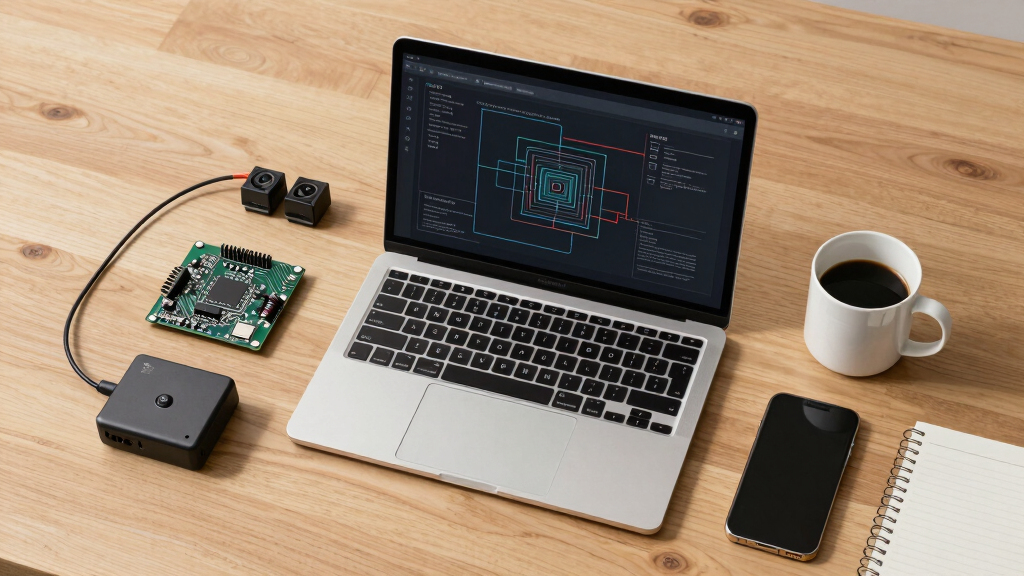
Imagine a YouTuber finishing a video and instantly getting a set of social clips, a blog draft, and SEO tags—all on their local PC. Or a security team analyzing footage on-site, tagging events, and creating reports without uploading sensitive data to the local analysis tools. cloud. Or educators turning a lecture into a transcript, slides, and social snippets—fast and private.
This approach suits anyone who needs rapid publishing, privacy, or simply hates monthly fees. As hardware gets more powerful and AI tools become more refined, local workflows will become the norm, not the exception. Embracing this shift means you’re not just improving efficiency; you’re also gaining a strategic advantage by maintaining full control over your content and data. For example, in sensitive environments like corporate or government settings, local workflows eliminate the risk of data breaches associated with cloud storage. For individual creators, it means faster turnaround times and greater flexibility to experiment without incurring extra costs or privacy concerns. The future of media production is leaning toward decentralization—those who adapt early stand to benefit the most.
Frequently Asked Questions
What does ‘without the cloud’ actually mean?
It means all media processing, analysis, and asset generation happen on your local hardware instead of relying on cloud servers. Your videos stay on-site, giving you more control and privacy.
What hardware do I need for this?
A recent desktop or laptop with a decent GPU (like an NVIDIA RTX series) and enough RAM (16GB+) will handle most local AI workflows smoothly. For larger projects, dedicated servers or workstations help speed things up.
How accurate is the AI for captions and scene detection?
Most systems reach about 90-95% accuracy for captions and scene detection. Human review is recommended for perfect quality, but it’s enough for most publishing needs.
Are there ongoing costs or subscriptions?
No. With a local setup, you pay for hardware once and avoid recurring cloud fees. Local tools make this accessible without subscription costs.
Can this integrate with my existing publishing tools?
Yes. Many local tools export assets in standard formats, making it easy to upload to platforms or integrate with CMS systems without relying on cloud APIs.
Conclusion
Turning one video into an entire publishing kit on your own hardware isn’t just a dream—it’s happening now. With local AI tools, you control every asset, keep your data private, and cut out the cloud fees that drain your budget. It’s a smarter, faster way to publish, without compromise.
Imagine a future where your entire media workflow runs seamlessly on your machine—ready to share at a moment’s notice. That future is here, and it’s worth exploring for anyone tired of waiting and watching their content’s potential get lost in the cloud.
Fall Picks
fall essentials
As an affiliate, we earn on qualifying purchases.