Shredder security levels vary based on how thoroughly they destroy documents. Strip-cut shredders cut paper into long strips, offering basic security suitable for non-sensitive info. Cross-cut models slice paper into confetti-like pieces, providing better protection for moderate needs. Micro-cut shredders turn paper into tiny particles, ensuring maximum confidentiality for highly sensitive documents. Choosing the right type depends on your security standards—continue to explore deeper details to find the best fit for your needs.
Key Takeaways
- Strip-cut shredders offer basic security by cutting paper into long strips, suitable for low-sensitivity documents.
- Cross-cut shredders provide moderate security by cutting both horizontally and vertically into confetti-like pieces.
- Micro-cut shredders deliver the highest security, turning paper into tiny particles for maximum confidentiality.
- The security level increases from strip-cut to micro-cut, aligning with higher confidentiality standards and regulatory compliance.
- Choose the shredder type based on data sensitivity: strip-cut for low, cross-cut for moderate, micro-cut for highly sensitive information.
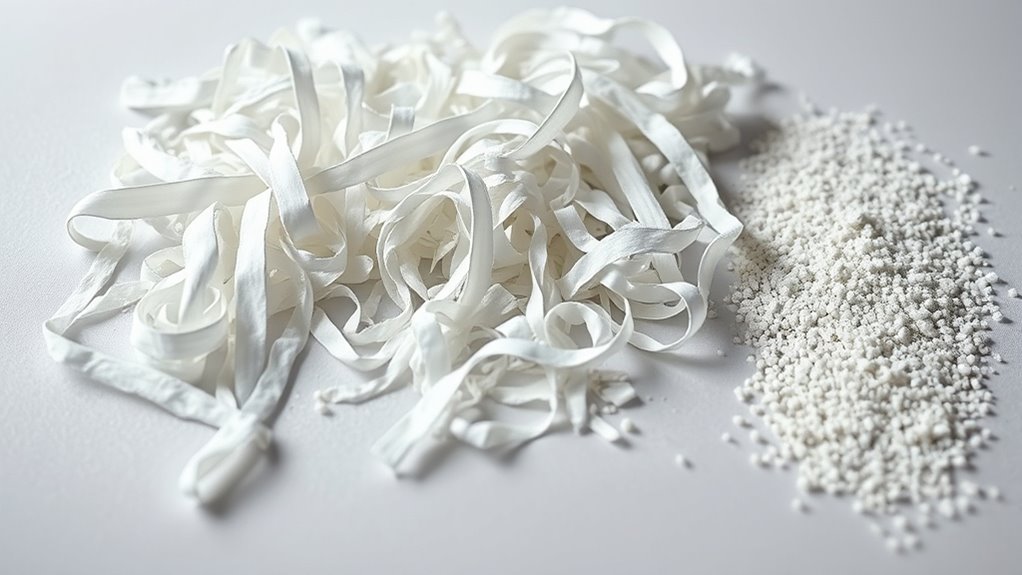
When it comes to protecting sensitive information, understanding shredder security levels is essential. The level of security you need depends on the confidentiality standards you must meet and the type of data you’re shredding. Shredder security codes are designed to specify how thoroughly documents are destroyed, ensuring that confidential details remain protected. Recognizing the differences between strip-cut, cross-cut, and micro-cut shredders helps you choose the right device for your security needs, especially when handling documents with varying sensitivity levels. Different shredder types also relate to halal standards, which emphasize the importance of proper processing and safety in food and document handling. Strip-cut shredders are the simplest, cutting paper into long, narrow strips. They’re generally suitable for low-security applications where confidentiality standards aren’t extremely strict. These shredders are quick and affordable, making them ideal for everyday office use. However, because the shredded pieces are relatively large, they can often be reconstructed if someone is committed enough. If your confidentiality standards require a higher level of security, strip-cut shredders might fall short, as the shredded strips don’t meet the rigorous shredder security codes needed for highly sensitive information.
Cross-cut shredders improve on this by cutting paper both horizontally and vertically, producing small, confetti-like pieces. This makes it considerably more difficult for someone to reconstruct shredded documents, aligning better with higher confidentiality standards. Cross-cut shredders are a popular choice in environments where security is a priority, such as legal or financial offices. They balance speed and security effectively, but for the most sensitive information, you might want to consider even more secure options.
Micro-cut shredders take security a step further by turning paper into tiny particles, comparable to dust. These shredders meet the highest confidentiality standards, often corresponding to the most stringent shredder security codes. They are ideal for shredding highly confidential documents like legal files, medical records, or classified government information. Although micro-cut shredders operate more slowly and may require more frequent emptying, they offer peace of mind knowing that your sensitive data can’t be reconstructed. If your organization handles data that could cause serious harm if exposed, micro-cut shredders are the best choice to guarantee compliance with strict confidentiality standards.
Ultimately, selecting the right shredder security level involves understanding the importance of confidentiality standards and the shredder security codes associated with each type. While strip-cut shredders are suitable for less sensitive documents, cross-cut and micro-cut models provide increasing levels of security. By matching your shredder to the sensitivity of your information, you can better protect privacy, prevent data breaches, and meet regulatory requirements.
Frequently Asked Questions
How Long Does Each Shredder Type Take to Dispose of a Standard Document?
A strip-cut shredder typically takes about 10-20 seconds to dispose of a standard document, while a cross-cut may take around 20-30 seconds due to more complex cuts. Micro-cut shredders are the slowest, usually requiring 30-60 seconds. The shred time comparison depends heavily on document size, as larger papers take longer regardless of shredder type. For efficient disposal, consider both shred speed and security level needed.
Are There Specific Security Standards That Each Shredder Level Complies With?
Did you know that over 80% of companies prioritize shredder compliance standards? You should know that each shredder level typically meets specific security certifications like DIN 66399 or NSA standards. Cross-cut and micro-cut shredders often comply with higher security standards, making them suitable for sensitive information. Always check the shredder’s label to verify it aligns with your organization’s required security certifications and compliance standards.
Can Home Shredders Handle Confidential Corporate Documents Effectively?
Home shredders generally aren’t designed to handle confidential corporate documents effectively. If you want better document security, look for a shredder with a cross-cut or micro-cut design, which offers more security than strip-cut models. While home shredders can manage personal or less sensitive materials, they might not meet the rigorous standards needed for corporate confidentiality. For critical documents, invest in a shredder with higher security levels.
What Are the Environmental Impacts of Different Shredder Waste?
Think of shredder waste as a puzzle piece in the environment’s story. Different shredder types produce waste that challenges recycling efforts, often ending up in landfills. Micro-cut shredders create finer debris, making recycling trickier and increasing landfill impact. Cross-cut and strip-cut waste are easier to process but still contribute to the growing recycling challenges. Your choice influences not just security but also the health of the planet.
How Often Should Shredders Be Maintained for Optimal Security?
You should perform regular shredder maintenance to guarantee optimal security. Follow a consistent shredder maintenance schedule—ideally weekly or bi-weekly, depending on usage. Make sure to check shredder lubricant frequency; lubricate the blades as recommended by the manufacturer to prevent jams and reduce wear. Regular maintenance keeps your shredder functioning smoothly, maintains security levels, and prolongs its lifespan. Don’t neglect these steps for reliable, secure shredding.
Conclusion
Choosing the right shredder is like planting a seed—you want it to grow into a sturdy tree that guards your privacy. Strip-cut offers basic protection, like a thin fence, while cross-cut and micro-cut are stronger walls against identity theft. Think of it as building layers of armor; the more layers you add, the safer you are. So, pick a shredder that matches your security needs, and you’ll keep your personal information well-guarded like a fortress.