TL;DR

Prime made for students and young adults
- Fast, free delivery for dorm and study essentials
- Prime Video and Amazon Music included
- Member-only deals
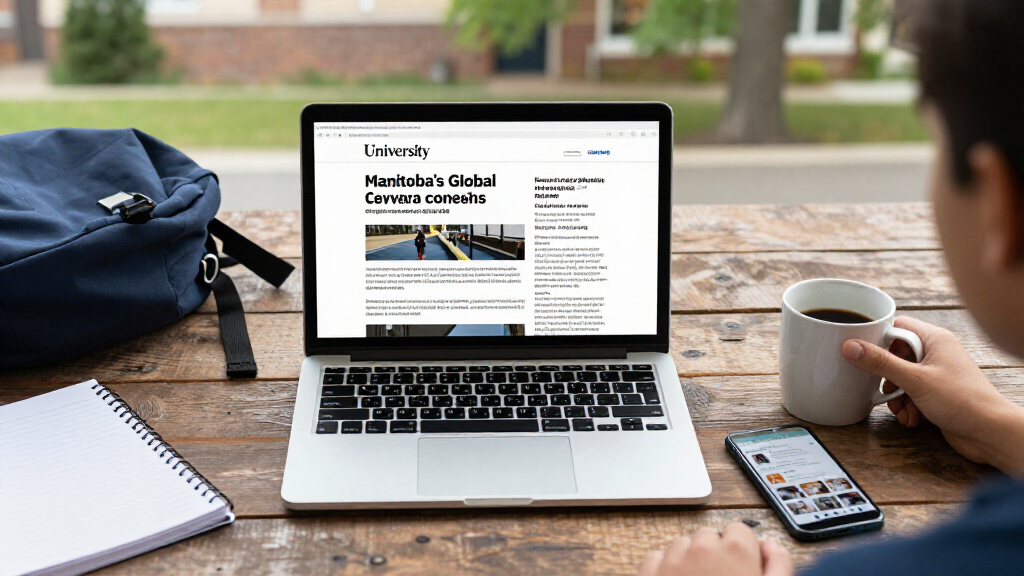
The University of Manitoba has experienced a notable increase in global media coverage, with mentions rising to eight times the baseline. The reason for this surge remains unconfirmed, but it signals heightened international interest.
The University of Manitoba has experienced a significant increase in international media coverage, with mentions rising to eight times the usual baseline, according to GDELT data. This surge in coverage is notable and has attracted attention from media analysts, though the specific cause remains unconfirmed. You can learn more about Case Western Reserve University’s global coverage. The development is relevant for understanding shifts in global attention toward the university and potential implications for its reputation and engagement. For example, the University of Washington’s recent media surge illustrates this trend.
According to the GDELT Project, which monitors global news media, mentions of the University of Manitoba have increased to approximately eight times their normal volume within a recent reporting window. This spike in media attention is confirmed by the data, which tracks mentions across multiple countries and media outlets, indicating a substantial rise in international coverage.
While the exact reasons behind this surge are not yet clear, analysts suggest that it could be related to recent events, research breakthroughs, or institutional developments at the university. However, no specific event has been publicly linked to this increase as of now. The spike is purely a data-driven observation, and no official statements from the university have been issued to confirm or explain the rise in coverage.
Experts note that such spikes can sometimes reflect media interest in university-related announcements, international collaborations, or external factors such as political or educational sector developments. You might find it interesting to see how University of Cambridge’s coverage has surged in recent times. The current situation remains under observation as researchers and media analysts seek to understand the underlying causes.
Implications of Increased Media Attention on the University of Manitoba
This surge in global coverage could influence the university’s reputation, attract prospective students and faculty, and impact its international collaborations. Increased media attention often correlates with heightened visibility, which can lead to new opportunities or scrutiny. For stakeholders, understanding the cause of this spike is important to gauge its potential long-term effects on the institution’s standing and strategic goals.
university media coverage analysis tool
As an affiliate, we earn on qualifying purchases.
As an affiliate, we earn on qualifying purchases.
Recent Trends in Media Monitoring of Academic Institutions
The GDELT Project has been tracking global media mentions of academic institutions for several years, noting fluctuations in coverage related to various factors such as research achievements, policy changes, or notable events. A sudden spike like this at the University of Manitoba is unusual and warrants further analysis. Historically, similar surges have been linked to specific announcements or external factors, but in this case, no confirmed event has been identified.
The university itself has not issued public statements regarding this increase, and external sources have not yet linked the spike to any particular development. The trend appears to be a data-driven anomaly at this stage, with the potential for more information to emerge as media outlets and the university respond.
academic reputation monitoring software
As an affiliate, we earn on qualifying purchases.
As an affiliate, we earn on qualifying purchases.
Unconfirmed Causes Behind the Media Surge
It is not yet clear what specific event or development triggered the spike in media mentions of the University of Manitoba. The increase could be related to research breakthroughs, institutional announcements, external political or educational factors, or external media interest unrelated to the university’s internal activities. No official statements or confirmed reports have linked the surge to any particular cause, leaving the reason speculative at this stage.
international media tracking for universities
As an affiliate, we earn on qualifying purchases.
As an affiliate, we earn on qualifying purchases.
Monitoring for Clarification and Further Developments
Researchers and media analysts will continue to monitor the situation for additional information or official statements from the university. Future updates may clarify whether the surge is linked to specific events, research achievements, or external factors. The university may also issue statements or reports that could explain the spike in coverage, and media outlets are expected to investigate further.
university PR and media monitoring kit
As an affiliate, we earn on qualifying purchases.
As an affiliate, we earn on qualifying purchases.
Key Questions
What caused the spike in media coverage of the University of Manitoba?
It is currently unknown. The spike is based on data showing increased mentions, but no specific event or reason has been confirmed.
How significant is an eightfold increase in media mentions?
Such a spike indicates a substantial rise in media interest, which could impact the university’s reputation or visibility, but the implications depend on the underlying cause.
Has the university commented on this surge?
No official statements have been made as of now. The university has not publicly addressed the increase in coverage.
Could this impact the university’s future collaborations or reputation?
Potentially, increased media attention can enhance visibility and opportunities, but it depends on the context and reasons behind the coverage.
Is this trend likely to continue?
It is uncertain. Further monitoring and official disclosures will determine whether the coverage spike sustains or was a temporary anomaly.
Source: gdelt
Halloween Picks
halloween
As an affiliate, we earn on qualifying purchases.