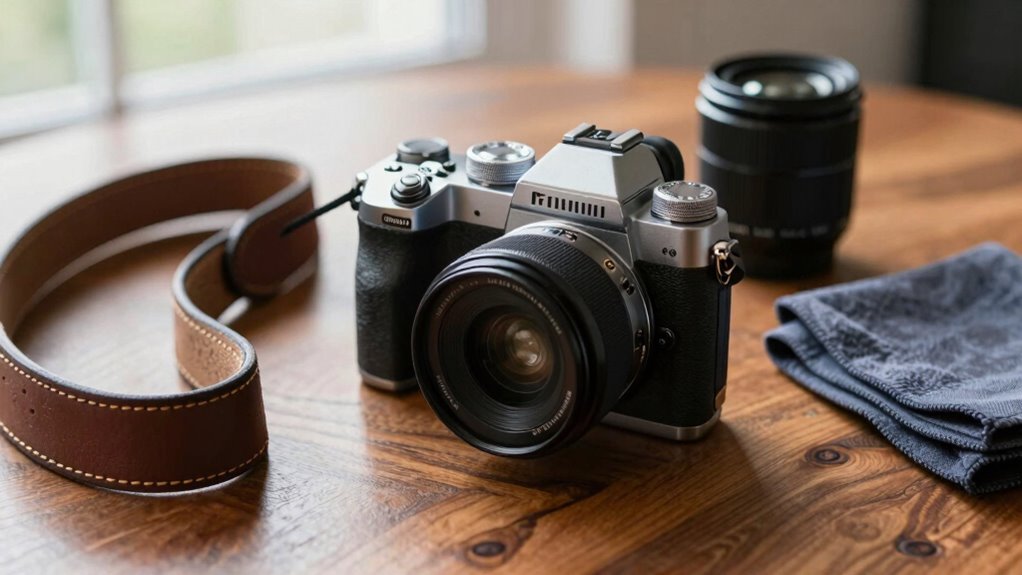

To avoid false economy when buying high-ticket gear, focus on overall value instead of just price. Do your research, compare warranties, read reviews, and consider lesser-known brands that may outperform expensive options. Don’t rely solely on brand loyalty or the lowest initial cost, as this can lead to more expenses down the line. By weighing durability, performance, and long-term savings, you’ll make smarter choices that truly pay off—learn how to do it effectively next.
Key Takeaways
- Prioritize durability, performance, and longevity over low initial costs to ensure long-term value.
- Research thoroughly, compare reviews, warranties, and features before making high-ticket gear purchases.
- Be skeptical of brand loyalty; explore lesser-known brands that may offer better quality or value.
- Consider total ownership costs, including maintenance and replacements, rather than just the purchase price.
- Treat high-ticket gear as an investment, focusing on overall quality and long-term benefits to avoid false economy.
When investing in high-ticket gear, it’s tempting to focus solely on the initial price tag, but that can lead to costly mistakes. Many people fall prey to budget myths, believing that spending less on premium equipment guarantees savings. They often think that cheaper gear will perform just as well or last as long, which isn’t always true. This mindset can cause you to overlook the true value of a product, resulting in more frequent replacements or repairs down the line. The idea that you must always choose the lowest-priced option to stay within budget is a trap. Instead, consider that investing a little more upfront might pay off over time. High-quality gear often offers better durability, performance, and longevity, ultimately reducing your total cost of ownership.
Brand loyalty plays a significant role in how you evaluate high-ticket gear, but it can also be a trap if not approached carefully. Many consumers stick with familiar brands because they trust their reputation or have had positive experiences in the past. While brand loyalty can sometimes lead to consistent quality, it can also cause you to overlook other options that might suit your needs better or offer more value. Relying solely on brand reputation might mean paying a premium for a name rather than actual quality. It’s essential to do your research and compare features, reviews, and warranties rather than blindly sticking with one brand. Sometimes, lesser-known brands deliver comparable or superior performance at a lower price, breaking the cycle of overpaying for brand names.
Avoiding false economy means shifting your focus from just the initial purchase price to the overall value and long-term benefits of your gear. Don’t let myths about budgeting pressure you into choosing the cheapest option without considering quality and durability. Remember, investing in the right gear is about balancing cost with performance and lifespan. Be skeptical of brand loyalty that discourages you from exploring other brands or models. Take the time to research, read reviews, and weigh options based on actual value, not just reputation or price tags. This approach ensures that you’re making smarter, more informed decisions—saving you money and stress in the long run. High-ticket gear is an investment, and treating it as such will help you avoid the pitfalls of false economy.
Frequently Asked Questions
How Can I Identify Genuine High-Quality Brands?
You can identify genuine high-quality brands by checking their reputation and how consistently they deliver value. Look for a strong brand reputation, which indicates reliability and quality. Read customer reviews to see real experiences, focusing on durability and performance. Trusted brands usually have positive feedback about their craftsmanship. Avoid unknown or obscure brands without reviews, as they might not meet high standards. Trusting reputable brands guarantees you get genuine, high-quality gear.
What Warranty or After-Sales Services Should I Look For?
You should look for a warranty that offers an extended warranty period and thorough after-sales support. Check if the brand provides prompt customer service, easy access to repairs, and genuine spare parts. Good after-sales support ensures you’re covered if issues arise, preventing additional costs. An extended warranty gives you peace of mind, so invest in brands known for reliable after-sales services and clear warranty policies to avoid false economy.
Are There Specific Features That Indicate Long-Term Durability?
Look for material indicators like high-quality metals or reinforced fabrics, which signal durability. You should also assess construction quality—stitching, joints, and overall finish—since well-made gear withstands wear and tear over time. Features like corrosion-resistant coatings or sturdy hardware further suggest long-term durability. By paying attention to these details, you guarantee your investment lasts, avoiding false economy and getting the most value from your high-ticket gear.
How Do I Compare Total Ownership Costs Effectively?
To compare total ownership costs effectively, start with a thorough price analysis of each option, including the initial purchase price. Then, factor in maintenance costs, which can vary greatly between brands and models. Consider the longevity and reliability of the gear, as higher durability can lower long-term expenses. By evaluating both upfront costs and ongoing expenses, you’ll make an informed decision that truly reflects the overall value and avoids false economy.
When Is It Better to Rent Instead of Buy High-Ticket Gear?
Think of renting as borrowing a treasure chest for a night rather than buying the ship. When your cost benefit analysis shows infrequent use or rapid technological changes, renting makes sense. It’s better to rent than buy high-ticket gear when you need it temporarily or want to avoid depreciation. This choice minimizes expenses, keeps your options open, and guarantees you’re investing wisely based on your specific needs and usage frequency.
Conclusion
Remember, buying high-ticket gear isn’t just about the price tag; it’s about investing wisely. Think of it like planting a seed—you want to nurture it with quality and care so it grows strong. Don’t fall into the false economy trap by choosing cheap alternatives that won’t last. Instead, do your research, prioritize durability, and consider long-term value. That way, your purchase becomes a reliable partner, not a fleeting illusion of savings.