

Life-energy pricing reveals the true costs behind cheap utilities, showing how low prices can hide long-term health, environmental, and financial impacts. Relying on inexpensive, polluting energy may seem saves you money now but leads to higher costs later, including pollution and health issues. Investing in renewable options and efficiency measures can reduce these hidden costs. Keep exploring to discover smarter ways to protect your well-being and your wallet from the real price of cheap energy.
Key Takeaways
- True energy costs include health, environmental, and long-term sustainability impacts, not just market prices.
- Cheap energy often masks hidden costs like pollution, health issues, and environmental degradation.
- Subsidies distort true energy prices, encouraging overconsumption and delaying renewable energy adoption.
- Investing in energy efficiency and renewables reduces long-term costs and mitigates environmental harm.
- A holistic approach to energy pricing promotes healthier, more sustainable living and resource use.
What Is Life-Energy Pricing and Why Does It Matter?

Have you ever wondered how your energy choices impact your overall well-being and life’s liveliness? That’s where life-energy pricing comes in. It’s a way of understanding the true value of energy by conducting a cost benefit analysis that considers more than just price tags. Instead, it evaluates how energy consumption affects your health, environment, and daily vitality. Incorporating energy valuation into your decision-making process reveals the long-term effects of cheap energy. Energy efficiency measures can optimize energy use, reducing waste and supporting healthier living. Sustainable energy use also promotes a healthier environment and enhances overall quality of life. Recognizing the contrast ratio and its impact on visual clarity can help you make more informed choices about your energy consumption for entertainment systems. Energy valuation helps you see beyond immediate expenses, revealing the long-term effects of cheap energy. When you understand this, you can make smarter decisions that prioritize sustainable and healthy energy use. Life-energy pricing emphasizes that energy isn’t just a commodity—it’s an essential part of your overall quality of life. Recognizing its true value can guide you toward choices that support your well-being and future.
Why Cheap Energy Can Cost You More Than You Think

While cheap energy might seem like a bargain, it often masks hidden costs that can outweigh the initial savings. Relying on low-cost energy sources can hinder renewable investments, slowing progress toward sustainable options. Plus, government energy subsidies often support fossil fuels, making cheap energy less sustainable long-term. These subsidies distort true costs, encouraging overconsumption and neglecting the environmental and health impacts. Here’s a quick look at how cheap energy impacts you:
| Cost Factor | Effect |
|---|---|
| Reduced renewable investments | Slows clean energy development |
| Hidden environmental costs | Increased pollution and health risks |
| Overconsumption | Higher long-term expenses |
| Subsidy reliance | Unsustainable economic practices |
| Future energy insecurity | Limited options and higher prices |
Choosing affordable energy today may cost more in the future. Additionally, market distortions caused by subsidies can lead to inefficient resource allocation and increased volatility in energy prices. Recognizing the true economic costs of cheap energy is essential for making informed decisions about sustainable development. Furthermore, the reliance on fossil fuel subsidies can entrench dependence on non-renewable resources, making energy transitions even more challenging. The importance of addressing these hidden costs is crucial for a sustainable energy future.
Environmental Damage and Health Risks of Cheap Utilities

Cheap utilities often seem like a good deal, but they can cause significant environmental damage and pose health risks. Many rely on outdated or polluting energy sources that increase emissions and contribute to climate change. This reliance hampers renewable investments, making it harder to shift toward cleaner, sustainable options. Pollution mitigation becomes more challenging when cheap utilities prioritize low costs over environmental health, leading to air and water contamination that affects communities’ well-being. The long-term consequences include increased health problems, such as respiratory illnesses and cardiovascular issues, especially in vulnerable populations. By choosing cheaper options without considering their environmental impact, you inadvertently support systems that damage ecosystems and threaten public health. Recognizing these risks highlights the true cost of “cheap” utilities, especially when energy sources are not sustainable or environmentally friendly. Additionally, the use of outdated infrastructure often results in higher long-term costs due to inefficiency and maintenance needs. Incorporating environmental impact assessments into energy planning can help identify more sustainable solutions and reduce hidden costs over time. Understanding the true environmental costs involved can motivate consumers and policymakers to prioritize sustainable energy choices, reducing the overall carbon footprint of utility consumption.
How Can You Tell If Cheap Utilities Are Worth It?
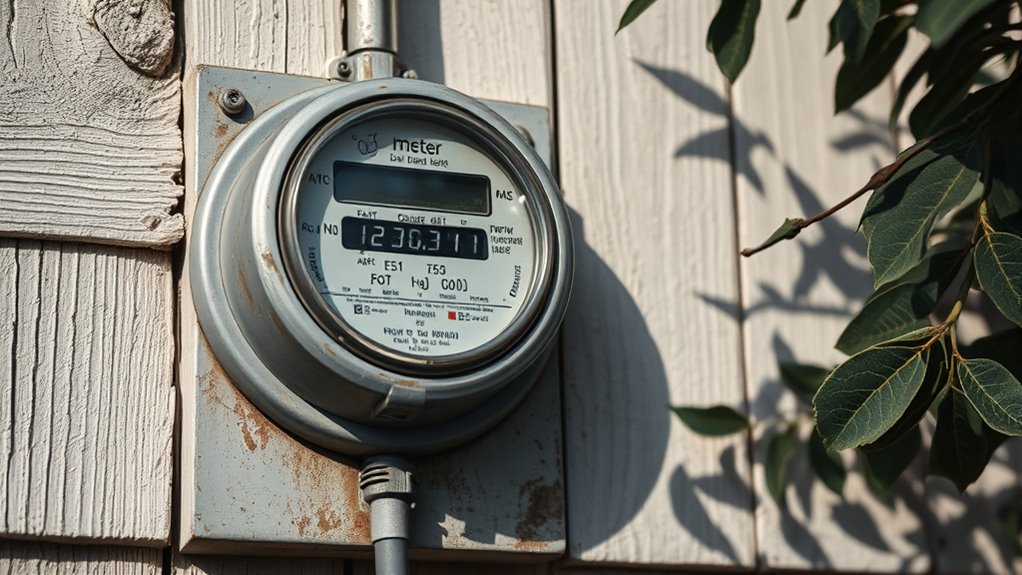
Understanding whether inexpensive utilities are truly worth the savings requires careful evaluation beyond just the upfront costs. To determine their value, consider how well they support energy conservation and whether the provider offers transparency about actual usage and charges. Cheap utilities might seem appealing, but hidden fees or inefficient service can negate savings. Ask yourself:
- Does the utility company provide clear, detailed billing and usage data?
- Are their energy rates consistent and transparent?
- Do they promote or support energy conservation measures that reduce overall costs?
- Assessing utility efficiency can help you determine if lower prices truly translate into savings over time. Additionally, evaluating their efforts in promoting water conservation can impact your overall utility expenses. Furthermore, understanding how smart energy management tools are integrated can enhance your ability to optimize energy use and costs. Incorporating connected home technology may also enable more precise control over your utility consumption, leading to better savings and sustainability. Moreover, investing in air quality monitoring devices can help ensure your home remains healthy and energy-efficient, ultimately supporting your overall utility management.
What Are Better Alternatives to Cheap Utilities?

Instead of settling for low-cost utilities that may hide hidden fees or lack transparency, consider options that focus on efficiency and long-term savings. Renewable options, like solar or wind power, can reduce your reliance on traditional providers and lower your energy costs over time. Investing in energy efficiency measures—such as LED lighting, smart thermostats, and better insulation—helps you use less energy overall. These upgrades might require an initial investment, but they pay off by decreasing your utility bills and environmental impact. Switching to renewable options and prioritizing energy efficiency not only saves money but also supports a sustainable future. energy efficiency measures can make a significant difference in your overall consumption and costs. By making these smarter choices, you gain more control over your energy costs and contribute to a healthier planet. Incorporating smart technology can further optimize your energy use and maximize savings.
Frequently Asked Questions
How Does Life-Energy Pricing Affect Long-Term Financial Planning?
Life-energy pricing impacts your long-term financial planning by highlighting the importance of renewable adoption and energy efficiency. As prices fluctuate, investing in renewables and energy-saving measures can stabilize costs and reduce future expenses. You should consider these strategies now to avoid unpredictable energy bills, ensuring your financial stability. Embracing renewable energy sources and improving efficiency not only saves money but also prepares you for potential price increases down the road.
What Hidden Costs Are Associated With Cheap Utility Services?
Think cheap utility services are a bargain? Think again. Hidden costs often lurk beneath the surface, like maintenance fees, poor service quality, or unexpected rate hikes. Consumer awareness is your best tool to avoid these traps. You might save money upfront, but over time, these hidden costs can drain your finances and diminish your satisfaction. Always dig deeper—what seems cheap today could cost you dearly tomorrow.
Can Switching Providers Improve Life-Energy Sustainability?
Yes, switching providers can improve your life-energy sustainability. By choosing a provider that emphasizes renewable integration and energy efficiency, you support cleaner energy sources and reduce your carbon footprint. This switch encourages the adoption of sustainable practices and innovations, making your energy consumption more eco-friendly. You’ll not only contribute to a healthier planet but often enjoy better service quality and potential long-term savings, aligning your energy use with sustainability goals.
How Do Consumer Choices Influence Environmental Impact?
You influence environmental impact markedly; for example, your choices can reduce emissions by up to 30%. By supporting renewable incentives and increasing consumer awareness, you drive demand for sustainable energy. Your decisions encourage providers to prioritize green options, ultimately lowering carbon footprints. Every choice matters—opting for renewable sources or advocating for eco-friendly policies amplifies positive change and helps protect the planet for future generations.
Are There Government Policies Promoting Fair Energy Pricing?
Yes, government policies promote fair energy pricing through renewable subsidies and energy regulation. These initiatives encourage the use of cleaner energy sources, making sustainable options more affordable for you. By supporting renewable subsidies, the government helps lower costs for renewable energy projects, while energy regulation ensures fair pricing practices and prevents monopolies. These policies aim to balance affordability with environmental responsibility, empowering you to make eco-friendly choices without overpaying.
Conclusion
So, next time you see that tempting low utility bill, remember it’s not just about saving a few bucks; you’re risking a hidden treasure trove of environmental damage and health hazards. Cheap energy might seem like a small price to pay, but it’s like pouring gasoline on a wildfire—costly and destructive. Choose wisely, explore better options, and protect your future—because your life-energy deserves nothing less than what’s truly worth it.