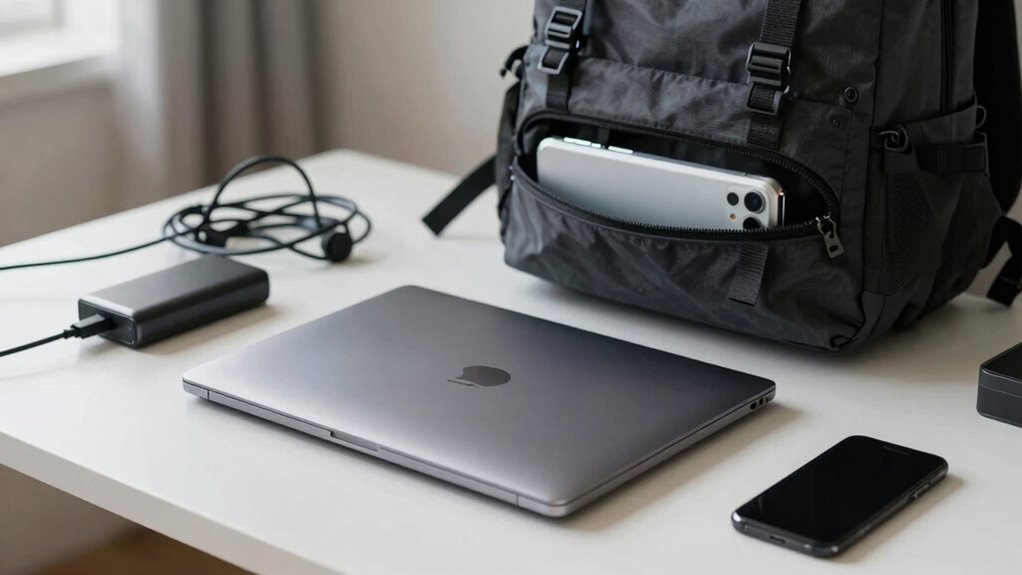

Travel-friendly computers often require you to sacrifice some features to stay lightweight and portable. Their compact design limits processing power, durability, and expandability, making demanding tasks more challenging. Smaller batteries also mean shorter usage times, especially if you run intensive apps. Energy-saving features help extend battery life, but you might need to compromise on performance or longevity. If you want to understand how these trade-offs impact your device, keep exploring the details behind these sacrifices.
Prime for Young Adults — start your free trial
Fast free delivery, streaming and member deals for eligible 18–24 year olds.
As an affiliate, we earn on qualifying purchases.
Key Takeaways
- Compact design limits processing power and expandability to maintain portability.
- Smaller batteries prioritize size but reduce overall battery life during travel.
- Durability constraints arise from size restrictions, making devices more susceptible to travel stresses.
- Energy efficiency features help extend usage but may restrict high-performance capabilities.
- Balancing size, battery capacity, and performance often requires trade-offs in travel-friendly computers.
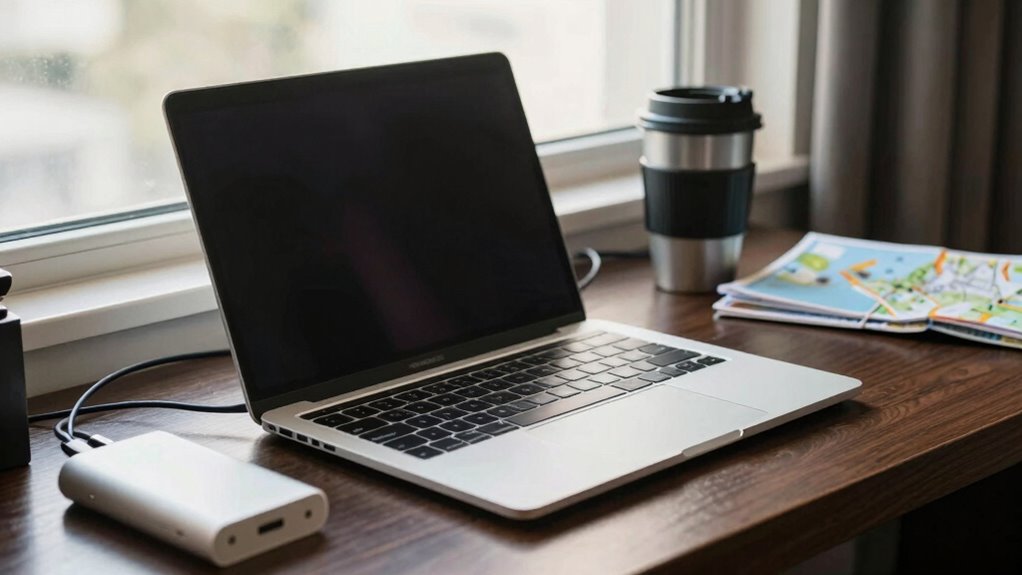
When choosing a travel-friendly computer, you often have to accept certain compromises to balance portability with performance. The primary challenge lies in fitting powerful features into a compact design, which directly impacts aspects like battery life and processing power. While a lightweight laptop is convenient to carry around, it may not have the stamina you need for long work sessions without frequent recharging. Smaller batteries tend to drain faster, especially when you’re running demanding applications or multiple tabs, forcing you to find outlets more often. This can be frustrating if you’re traveling through airports or remote locations where power sources are limited. Durability becomes an essential consideration, as the compact design constraints often influence the overall durability and expandability of the device, making it essential to consider how well it can withstand travel conditions. Additionally, battery capacity is a crucial factor since it determines how long the device can operate on a single charge without compromising on size. Moreover, energy efficiency features can help extend usage time and reduce the need for frequent recharging during your travels. Incorporating power management technologies can further enhance the device’s ability to conserve energy, which is particularly vital for travelers relying on limited power sources.
As an affiliate, we earn on qualifying purchases.
Frequently Asked Questions
Are Travel-Friendly Computers More Expensive Than Traditional Laptops?
Travel-friendly computers are often more expensive than traditional laptops due to their compact design and advanced accessibility features. The cost comparison shows that these portable devices include premium materials and specialized tech to guarantee durability and ease of use on the go. While the price might be higher, you gain convenience and portability, making the investment worthwhile if you prioritize accessibility and mobility in your tech setup.
How Do Travel-Friendly Computers Compare in Durability?
Travel-friendly computers are often less durable than traditional ones because they prioritize portability over material durability and drop resistance. Their lightweight designs and thinner materials can make them more vulnerable to damage if you accidentally drop or bump them. While some models incorporate reinforced features for better drop resistance, generally, their focus on slimness means they might not withstand rough handling as well as more robust, traditional laptops.
Can Travel-Friendly Laptops Handle High-Performance Tasks?
You can’t count on travel-friendly laptops for high-performance tasks because their lightweight design often limits power. While they excel in portability and quick task handling, they sacrifice processing prowess. These compact computers prioritize portability over raw power, making them ideal for browsing, streaming, or basic work. If you need heavy-duty performance, you’ll need a more robust, less portable machine. Travel-friendly laptops are best for light, on-the-go productivity.
What Are the Best Brands for Travel-Friendly Computers?
You’ll find the best travel-friendly computers from brands like Dell, Apple, and ASUS, known for their compact design and portability features. Dell’s XPS series, Apple’s MacBook Air, and ASUS ZenBook line balance lightweight builds with powerful performance. These brands prioritize sleek, durable designs and long battery life, making them ideal for on-the-go use. Their focus on portability guarantees you don’t have to sacrifice functionality for convenience while traveling.
Do Travel-Friendly Computers Compromise on Battery Life?
Imagine holding a sleek, lightweight laptop in your hand, perfect for travel. Usually, these computers do compromise on battery life, but not always. Many prioritize battery optimization and power efficiency to extend usage on the go. While some may need charging after a few hours, top models balance portability with impressive battery performance. So, you can enjoy your journey without constantly hunting for an outlet.
As an affiliate, we earn on qualifying purchases.
Conclusion
As you navigate the world with your travel-friendly computer, remember it’s a faithful companion bearing a quiet burden. Like a tightrope walker balancing grace and risk, you must accept the trade-offs—power for portability, features for size. Though it may seem like losing some pieces of a puzzle, these sacrifices carve out a lighter, more agile version of yourself, ready to chase adventures. Embrace the trade-offs, for in them lies the freedom to explore without limits.
As an affiliate, we earn on qualifying purchases.
energy-efficient portable computers
As an affiliate, we earn on qualifying purchases.
As an affiliate, we earn on qualifying purchases.
Fall yard work Picks
leaf blowers
As an affiliate, we earn on qualifying purchases.