

The “Wait 7 Days” rule helps you prevent impulsive high-ticket purchases by giving yourself a cooling-off period to reflect on your decision. It encourages you to contemplate whether the purchase aligns with your financial goals and emotional readiness, reducing regret. This pause boosts your self-control and guarantees your spending is intentional and responsible. Want to discover more ways this rule promotes smarter shopping and long-term satisfaction? Keep exploring to learn how it can benefit you.
Key Takeaways
- Encourages reflection to prevent impulsive, regretful high-ticket purchases.
- Provides time to assess financial readiness and ensure alignment with budget and goals.
- Helps differentiate between genuine need and fleeting desire, promoting smarter decisions.
- Reinforces responsible spending habits and emotional discipline before making big investments.
- Balances financial planning with emotional preparedness, leading to more satisfying purchases.

Have you ever made a high-ticket purchase on impulse and later regretted it? That feeling of regret often stems from rushing into decisions without giving yourself enough time to contemplate whether it’s truly right. This is where the “Wait 7 Days” rule can be a game-changer. It acts as a simple yet effective pause button, encouraging you to pause and reflect before finalizing expensive purchases. When you practice this rule, you give yourself the chance to assess your financial planning and emotional readiness more clearly. It’s easy to get caught up in excitement or the allure of a shiny new item, but taking a deliberate pause helps you avoid impulsive spending that might strain your finances later.
Financial planning plays a vital role in managing high-ticket purchases. By waiting a week, you give yourself the opportunity to evaluate whether the purchase aligns with your budget and long-term financial goals. Rushing into a costly buy can derail your savings or lead to unnecessary debt. When you implement the “Wait 7 Days” rule, you can review your finances, check your available funds, and determine if this expense makes sense now or fits better into your future plans. This cooling-off period often reveals whether your desire to buy is genuine or just fleeting impulse. It’s a way to guarantee your spending habits are sustainable and that you’re not sacrificing your financial stability for momentary satisfaction. Recognizing the importance of proper planning can enhance your decision-making process and prevent unnecessary stress.
Emotional readiness is equally important. High-ticket purchases often tap into emotions—desire, status, or even peer influence. The delay helps you step back from emotional impulses and gain perspective. You might find that what felt urgent or exciting today doesn’t seem as compelling after a week. During this time, you can consider whether the purchase is something you truly need or just want in the moment. This emotional check-in prevents buyer’s remorse and helps you determine if you’re emotionally prepared to handle the commitment, whether that’s a financial burden or an adjustment to your lifestyle. Additionally, understanding the role of financial discipline can also reinforce your ability to make consistent, responsible choices over time. Developing self-control in spending decisions ensures that your purchases are aligned with your values and long-term vision.
In the end, the “Wait 7 Days” rule isn’t about denying yourself joy; it’s about making smarter, more intentional decisions. It allows you to balance your financial planning with emotional readiness, ensuring that your high-ticket purchases serve your best interests rather than fleeting whims. When you develop this habit, you’re less likely to regret big spending decisions and more likely to enjoy the things you buy, knowing they’re truly right for you.
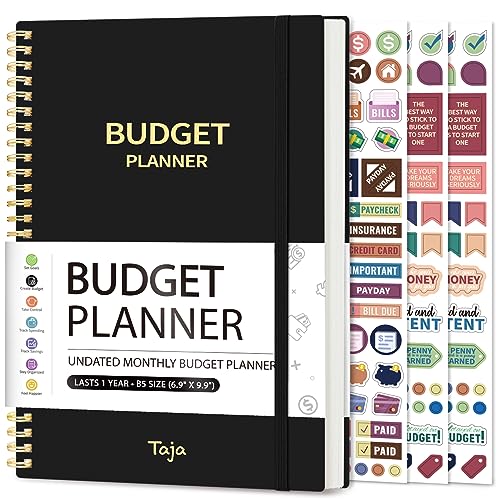
Taja Budget Planner, Undated Budget Book with Expense Tracker, 6.9" x 9.9"
- Effective Budget Planning: Track income, expenses, savings, goals
- User-Friendly Layout: Easy navigation and organization
- Undated Monthly Calendar: Flexible scheduling and planning
As an affiliate, we earn on qualifying purchases.
As an affiliate, we earn on qualifying purchases.
Frequently Asked Questions
Does the 7-Day Rule Apply to Online High-Ticket Purchases?
Yes, the 7-day rule can apply to online high-ticket purchases, especially if you’re using payment plans. Retailers often include refund policies that respect this window, giving you time to contemplate your decision. It’s important to check the seller’s specific refund policies and whether they enforce a waiting period for high-ticket items. Always review these policies before making an online purchase to guarantee you’re protected.
Can I Negotiate After the Waiting Period?
Yes, you can negotiate after the waiting period. The 7-day rule gives you time to contemplate your decision, but it doesn’t lock you into an offer. During this time, you can discuss payment plans or ask about refund policies to make the purchase more manageable. Once the waiting period ends, you’re free to negotiate terms, especially if you’re interested in a better deal or additional perks.
What if I Change My Mind During the Wait?
If you change your mind during the wait, your rights and refund policies usually safeguard you. Many sellers offer a cooling-off period, allowing you to cancel and get a full refund if you notify them within the specified time. Always review the refund policies before purchasing, so you know your customer rights. If you decide to cancel, act promptly to guarantee you’re within the allowed timeframe.
Does the Rule Differ for In-Store Versus Online Purchases?
Did you know 70% of people experience customer remorse after high-ticket online purchases? The “Wait 7 Days” rule generally applies similarly to in-store and online purchases, giving you time to reconsider. If you change your mind during the wait, you can usually cancel the purchase without penalty. However, in-store purchases might allow for more immediate cancellation, whereas online ones often rely on return policies, making the wait essential for decision clarity.
Are There Exceptions to the 7-Day Waiting Period?
Yes, there are exceptions to the 7-day waiting period. Refund policies often allow quicker returns for defective or damaged items, and sales restrictions may exempt certain products from the rule. If you’re purchasing during a limited-time sale or under special conditions, the waiting period might be waived. Always check the store’s specific refund policies and sales restrictions to understand when exceptions apply, so you’re fully informed.

Taja Budget Planner, Undated Budget Book with Expense Tracker, 6.9" x 9.9"
- Effective Budget Planning: Track income, expenses, savings, goals
- User-Friendly Layout: Easy navigation with dedicated sections
- Undated Monthly Calendar: Flexible calendar for each month
As an affiliate, we earn on qualifying purchases.
As an affiliate, we earn on qualifying purchases.
Conclusion
By waiting the full seven days before making that high-ticket purchase, you give yourself a clear path through the fog of impulse and emotion. It’s like giving your wallet a much-needed gust of fresh air, allowing your reason to catch up with your desire. Remember, patience isn’t just a virtue—it’s your secret weapon against buyer’s remorse. So, hold tight, think it over, and let this rule be the steady anchor in your purchasing journey.

Really Good Stuff What Would You Do? SEL Journals, 12-Pack
- Number of Journals: 12 journals included
- Page Count: 32 pages per journal
- Content Focus: Decision-making and reflection
As an affiliate, we earn on qualifying purchases.
As an affiliate, we earn on qualifying purchases.
As an affiliate, we earn on qualifying purchases.