TL;DR

Prime made for students and young adults
- Fast, free delivery for dorm and study essentials
- Prime Video and Amazon Music included
- Member-only deals
There’s no single best Thunderbolt dock with SD card reader. Your ideal pick depends on your device, workflow, and budget. Premium models like CalDigit TS4 excel for all-around use, but alternatives suit specific needs.
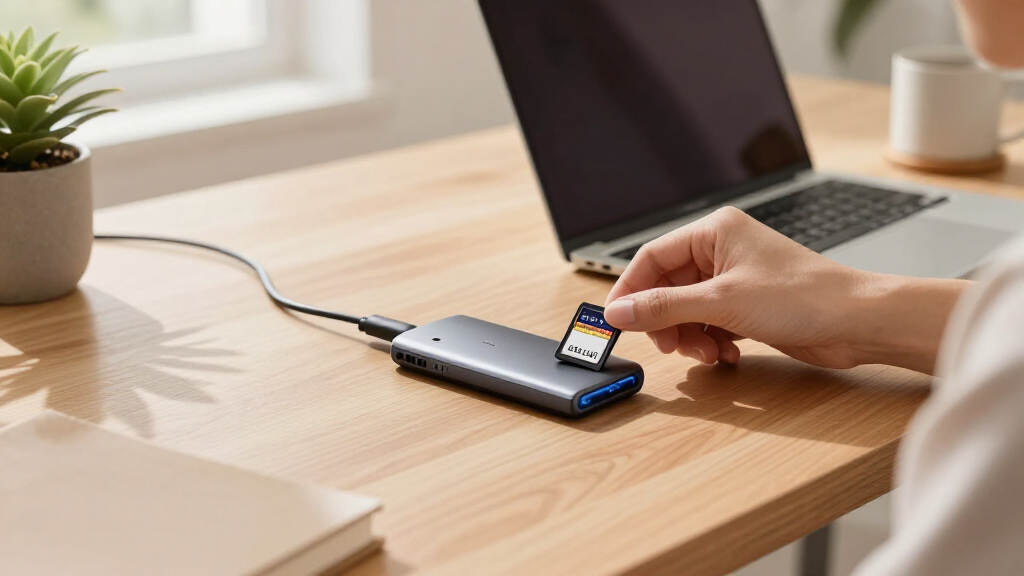
Imagine this: you’re in the middle of a shoot, clutching a handful of SD cards filled with high-res photos and 4K videos. You need a fast, reliable way to transfer everything to your computer. That’s where the right Thunderbolt dock with an SD card reader becomes a game-changer.
This guide isn’t about generic docks. It’s about helping you pick one that matches your workflow — whether you’re a photographer, videographer, or creative professional. We’ll explore what makes a dock truly fast, versatile, and reliable, cutting through the marketing noise to find real-world value.
Prioritize UHS-II or SD Express support for faster SD card transfers, but remember real speeds depend on the entire system, not just the slot.
Thunderbolt 4 adds flexibility, but for most photo and video workflows, a high-quality USB-C dock suffices.
Display support varies; native Thunderbolt/DisplayPort is more reliable for high-res, multi-monitor setups.
Power delivery needs depend on your laptop; 85W–100W is usually enough for ultrabooks, higher for workstations.
Shared bandwidth matters — avoid maxing all ports at once to keep data flowing smoothly.
Why Not All SD Readers Are Equal — Speed Matters
When a dock claims to have an SD card slot, that doesn’t tell the whole story. The real magic lies in whether it supports UHS-II or SD Express, and how fast the internal controller can transfer data. For example, a UHS-II slot can theoretically reach up to 312 MB/s, perfect for high-speed burst shooting or 4K video editing.
Picture a photographer copying a 64GB UHS-II card. With a slow, UHS-I slot, it might take 10-15 minutes. A UHS-II dock can cut that down to under 5 minutes. But, if the internal controller is sluggish or thermal throttles, those speeds drop. So, check reviews and specs beyond just the slot presence.
And remember: the card’s own speed matters. A top-tier SD Express card paired with a UHS-II slot won’t go faster than the card allows. It’s a dance between card, reader, and destination drive.
Why does this matter? Faster transfer speeds mean less waiting, which is crucial during busy shoots or editing sessions. Conversely, a slower reader can bottleneck your workflow, causing delays and frustration. Understanding these tradeoffs helps you choose a dock that genuinely saves time and keeps your creative process flowing smoothly. Keep in mind, the real-world transfer rates often fall short of theoretical maximums due to thermal limits and system bottlenecks, so reviews and real-world tests are invaluable.
Choosing a dock with high-speed SD card support isn’t just about raw numbers; it’s about ensuring your workflow remains efficient. For professionals dealing with large files regularly, a slow transfer can mean lost time and missed deadlines. The tradeoff, however, is that high-performance docks tend to be more expensive and sometimes bulkier. Balancing cost, speed, and reliability is key to finding a solution that optimizes your productivity without breaking the bank.
Thunderbolt dock with SD card reader
As an affiliate, we earn on qualifying purchases.
As an affiliate, we earn on qualifying purchases.
Thunderbolt 4 vs. USB-C: Do You Need Thunderbolt?
Thunderbolt 4 offers up to 40 Gbps bandwidth, which sounds impressive, but whether it’s necessary depends on your specific use case. For most photographers and videographers, high-quality USB-C ports supporting 10Gbps UHS-II speeds are sufficient for importing large files quickly. The real advantage of Thunderbolt comes into play when you’re simultaneously managing multiple high-bandwidth tasks—like editing 8K footage, running several high-resolution monitors, and transferring large data sets—all at once.
Imagine a professional editing a multi-camera 8K project while also backing up footage and running complex workflows. Thunderbolt’s high bandwidth reduces the risk of bottlenecks, keeps data flowing smoothly, and minimizes lag. But if your work mostly involves occasional photo imports and simple monitor setups, investing in Thunderbolt may be overkill, adding unnecessary cost and complexity.
Deciding between Thunderbolt 4 and USB-C isn’t just about raw speed; it’s about future-proofing and ecosystem compatibility. Thunderbolt ports tend to support a wider array of peripherals and are backward compatible with Thunderbolt 3 and USB-C, making them more versatile for expanding your setup. However, they often come with a premium price tag. If you anticipate scaling your workspace or need maximum performance for demanding workflows, the investment in Thunderbolt is justified. Conversely, if your tasks are less intensive, a high-quality USB-C dock provides ample speed and flexibility without the extra expense.
The key tradeoff is cost versus performance. Understanding your workflow’s bandwidth demands helps you make an informed decision—whether you prioritize raw speed, expandability, or budget constraints. This choice impacts not only your current productivity but also how well your setup adapts as your needs evolve over time.
As an affiliate, we earn on qualifying purchases.
Conclusion
Your ideal Thunderbolt dock with SD card reader balances speed, power, and port variety. Think about your workflow—do you need high-speed transfers, multiple monitors, or portability? Choosing wisely can turn your cluttered desk into a streamlined, efficient workspace.
Remember: the right dock isn’t just about specs. It’s about matching features to your real-world needs. Upgrade your setup, and suddenly, those hours of waiting become a thing of the past.
Thunderbolt 4 docking station for creators
As an affiliate, we earn on qualifying purchases.
As an affiliate, we earn on qualifying purchases.
USB-C dock with SD Express support
As an affiliate, we earn on qualifying purchases.
As an affiliate, we earn on qualifying purchases.
Halloween Picks
halloween
As an affiliate, we earn on qualifying purchases.