
Choosing the right educational science kit for students involves balancing learning depth, safety, and engagement. The National Geographic Earth Science Kit stands out as the best overall due to its comprehensive activities and durable design. For those on a budget, the UNGILINGA 40+ Experiments Science Kit offers excellent value without sacrificing educational quality. Meanwhile, the National Geographic Microscope is ideal for students interested in microscopy and detailed observation. The main challenge in this category lies in finding a kit that combines quality content with age-appropriate complexity, without overwhelming beginners or skimping on scientific rigor. Continue reading for a full breakdown of these options and what suits different needs.
Open a free Amazon Business account
Business pricing, bulk buying and tax-exempt orders.
Create a free accountAs an affiliate, we earn on qualifying purchases.
Key Takeaways
- Top-ranked kits balance experiment variety with age-appropriate complexity.
- Durability and safety features are essential for sustained engagement and peace of mind.
- Premium options often include microscopes or advanced materials, suited for older students.
- Value-focused kits deliver a surprising amount of experiments at a lower price point.
- Choosing the right kit depends heavily on the student’s age, interest level, and desired depth of science exploration.
| EUDAX School Physics Labs Basic Electricity Discovery Circuit and Magnetism Experiment Kits for High School Students |  | Best Overall for High School Physics Enthusiasts | Number of Items for Electricity: 56 | Number of Items for Magnetism: 21 | Includes Repair Tools: 2 pcs | VIEW LATEST PRICE | See Our Full Breakdown |
| Thames & Kosmos Structural Engineering: Bridges & Skyscrapers Science & Engineering Kit |  | Best for Intermediate Engineering Enthusiasts | Number of models: 20 | Number of pieces: 285+ | Manual pages: 36 | VIEW LATEST PRICE | See Our Full Breakdown |
| STEM Electric Circuit Kits – 8 Experiments in 7 Sets for Students |  | Best for Beginners and Home Use | Number of Experiments: 8 | Number of Sets: 7 | Battery Requirement: AA batteries (not included) | VIEW LATEST PRICE | See Our Full Breakdown |
| Carson Dellosa STEM Challenges Seasonal Science Kits for Kids Ages 7-10 |  | Best for Classroom and Homeschool Fun | Number of Cards: 30 | Dimensions of Activity Card: 7¾ inches x 5½ inches | Includes Divider: Yes | VIEW LATEST PRICE | See Our Full Breakdown |
| Dan&Darci Root Viewer Kit for Kids – Grow Your Own Plant – STEM Educational Gardening Toy for Ages 4-8 |  | Best for Young Gardeners and Early STEM Learning | Includes: transparent viewer box, soil, seeds, stickers, instruction guide | Seeds: Spring Onion, Cilantro | Recommended Age: 4-8 years | VIEW LATEST PRICE | See Our Full Breakdown |
| UNGILINGA 150 Experiments Science Kits for Kids, STEM Educational Project Toys for Boys and Girls, Includes Volcano and Chemistry Lab Tools |  | Best Overall for Extensive Hands-On Learning | Number of Experiments: 150 | Suitable for: Kids | Includes: Lab tools, safety goggles, materials | VIEW LATEST PRICE | See Our Full Breakdown |
| Science Kit for Kids – 80 Experiments, STEM Educational Toy, Scientist Costume Role Play, Birthday Gift for Ages 6-9 |  | Best for Younger Beginners Learning through Play | Number of Experiments: 80 | Age Range: 6-9 years | Includes: Goggles, chemical materials, petri dishes, test tubes, gloves, droppers, balloons | VIEW LATEST PRICE | See Our Full Breakdown |
| National Geographic Earth Science Kit with 100+ Activities for Kids 8-12 | 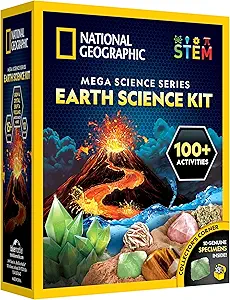 | Best for Earth Science Enthusiasts and Group Learning | Activities: 100+ | Age Range: 8-12 | Includes: Volcano experiments, crystal growing, geologic dig kits | VIEW LATEST PRICE | See Our Full Breakdown |
| Evviva Sciences Microbiology Science Project Kit with Pre-Poured Agar Plates |  | Best for Serious Microbiology Study for Older Students | Number of agar plates: 10 | Includes: Cotton tipped sticks, pipette, plastic vial, instructions, ebook | Agar plate type: Pre-poured nutrient agar | VIEW LATEST PRICE | See Our Full Breakdown |
| National Geographic Amazing Chemistry Set with 100+ Experiments for Ages 8-12 |  | Best for Creative Chemistry Exploration | Number of Experiments: 100+ | Age Range: 8-12 | Includes: Test tubes, beakers, pipettes, crystals, chemicals | VIEW LATEST PRICE | See Our Full Breakdown |
| Sntieecr Electric Circuit Motor Kit for Kids – STEM Educational Science Experiment Set |  | Best Overall for Hands-On Electrical Learning | Components: 5 crocodile clip leads, 5 bulbs, 2 motors, motor holders, rocker switches, propellers, buzzer, bulb holders, battery holders | Recommended Age: 8+ years | Voltage Range: 1.5V-3V | VIEW LATEST PRICE | See Our Full Breakdown |
| National Geographic Microscope for Kids with Up to 400x Magnification, STEM Science Kit with Slides and Specimens, Ages 6+ |  | Best for Young Explorers Starting with Microscopy | Magnification: Up to 400x | Included Slides: 6 prepared plant slides, 6 blank slides | Specimens: 6 rocks and minerals | VIEW LATEST PRICE | See Our Full Breakdown |
| UNGILINGA 40+ Experiments Science Kit for Kids – Chemistry Set, Educational Toy Gift for Boys and Girls |  | Best Value for Extensive Chemistry Exploration | Number of Experiments: Over 40 | Suitable for: Kids | Includes: All necessary materials (except household items) | VIEW LATEST PRICE | See Our Full Breakdown |
| National Geographic Junior Chemistry Set with 50 Experiments for Kids |  | Best for Early Science Exploration in Younger Children | Number of Experiments: 50 | Lab tools: 20+ | Recommended age: 4+ | VIEW LATEST PRICE | See Our Full Breakdown |
| educational science kits for student | Includes |
|---|---|
| EUDAX School Physics Labs Basi | — |
| Thames & Kosmos Structural Eng | — |
| STEM Electric Circuit Kits | — |
| Carson Dellosa STEM Challenges | — |
| Dan&Darci Root Viewer Kit for | transparent viewer box, soil, seeds, stickers, instruction guide |
| UNGILINGA 150 Experiments Scie | Lab tools, safety goggles, materials |
| Science Kit for Kids | Goggles, chemical materials, petri dishes, test tubes, gloves, droppers, balloons |
| National Geographic Earth Scie | Volcano experiments, crystal growing, geologic dig kits |
| Evviva Sciences Microbiology S | Cotton tipped sticks, pipette, plastic vial, instructions, ebook |
| National Geographic Amazing Ch | Test tubes, beakers, pipettes, crystals, chemicals |
| Sntieecr Electric Circuit Moto | — |
| National Geographic Microscope | — |
| UNGILINGA 40+ Experiments Scie | All necessary materials (except household items) |
| National Geographic Junior Che | — |
More Details on Our Top Picks
EUDAX School Physics Labs Basic Electricity Discovery Circuit and Magnetism Experiment Kits for High School Students
This kit stands out for providing a comprehensive collection of components that cover fundamental concepts of electricity and magnetism, making it ideal for high school students seeking a thorough, hands-on experience. Compared with smaller or less detailed kits like the STEM Electric Circuit Kits, the EUDAX set offers a broader range of items—56 for electricity and 21 for magnetism—allowing for more varied experiments. Its detailed, color-page manual ensures learners can follow along confidently, although the absence of batteries means an extra purchase is necessary, which could delay experiments. The need for assembly may also be a hurdle for younger students or beginners. This kit is best suited for high school STEM programs or motivated students ready to explore electrical principles in depth.
Pros:- Extensive set with 56 items for electricity and 21 for magnetism
- Includes detailed, color-page manuals for guided learning
- Suitable for high school STEM curriculum and serious hobbyists
Cons:- Batteries are not included, requiring additional purchase
- Some assembly required, which could be challenging for younger students
Best for: High school students and educators seeking a comprehensive, detailed physics experiment kit
Not ideal for: Younger children or beginners who require simpler, pre-assembled experiments and all-in-one solutions
- Number of Items for Electricity:56
- Number of Items for Magnetism:21
- Includes Repair Tools:2 pcs
- Manual Type:Color page manual
- Batteries Included:No (3 AA batteries needed)
Our verdict“This kit makes the most sense for high school students or educators who want an in-depth exploration of electrical and magnetic principles.”
Thames & Kosmos Structural Engineering: Bridges & Skyscrapers Science & Engineering Kit
This kit excels at engaging students with structural engineering fundamentals through building 20 models that demonstrate force, load, and tension, making it ideal for those with some prior experience or interest in engineering concepts. Unlike beginner sets like the Carson Dellosa STEM Challenges, which focus on broader science topics, this set emphasizes structural design and forces, supported by over 285 interchangeable pieces and a detailed 36-page manual. Its complexity and scope make it better suited for children with some previous STEM exposure or older elementary to middle school students. The absence of digital components limits its scope to physical models, but the variety of pieces encourages creative problem-solving. This kit is perfect for students ready for a deeper dive into engineering principles.
Pros:- Includes 20 different models for varied learning
- Over 285 interchangeable pieces for creative building
- Award-winning, with a detailed manual for guided experiments
Cons:- Requires some prior understanding of engineering concepts
- Limited to structural engineering topics
Best for: Intermediate learners, especially older elementary or middle school students interested in engineering and physics
Not ideal for: Beginners or younger children who might find the assembly and concepts too challenging
- Number of models:20
- Number of pieces:285+
- Manual pages:36
- Award:Parents’ Choice Gold Award
Our verdict“This set is best for students with some STEM background aiming to explore structural engineering concepts in depth.”
STEM Electric Circuit Kits – 8 Experiments in 7 Sets for Students
This kit offers a straightforward introduction to electrical circuits through 8 experiments, making it an excellent choice for younger children or beginners who want to explore basic electrical concepts without overwhelming complexity. Compared to the more advanced EUDAX set, it focuses on fundamental experiments like series and parallel circuits and fruit batteries, which are perfect for classroom or home environments. Its detailed, step-by-step manual ensures clarity, though batteries are sold separately, and some experiments may require adult supervision, especially for younger children. Limited to basic electrical concepts, this kit is ideal for early STEM learners or as a first step into electronics.
Pros:- Provides hands-on experience with fundamental electrical concepts
- Includes easy-to-follow, step-by-step manual
- Suitable for young learners and beginners
Cons:- Batteries are not included and must be purchased separately
- Limited to basic experiments, not advanced electrical concepts
Best for: Elementary school students or beginners interested in basic electrical experiments at home or in class
Not ideal for: Students seeking advanced or comprehensive electrical projects or magnetism experiments
- Number of Experiments:8
- Number of Sets:7
- Battery Requirement:AA batteries (not included)
- Suitable Age:8+
Our verdict“This kit is ideal for young students or absolute beginners starting their electrical science journey.”
Carson Dellosa STEM Challenges Seasonal Science Kits for Kids Ages 7-10
This set offers a diverse range of 30 hands-on activities across physical, life, earth, and space sciences, making it well-suited for classroom or homeschool settings where variety is valued. Unlike specialized kits like National Geographic Earth Science, which focus on a specific topic, this collection provides quick, engaging challenges that foster curiosity through simple materials and fun facts. Its physical science focus is a limitation for those seeking broader biological or earth science experiments, but its ease of use and comprehensive coverage of science topics make it a flexible choice for educators and parents. No digital components are included, so it relies on physical materials and discussions.
Pros:- Includes 30 challenge cards promoting active engagement
- Covers multiple science topics in a single set
- Suitable for group or individual activities
Cons:- Limited to physical science activities
- Requires common household materials which may vary
Best for: Elementary teachers or homeschool parents looking for quick, engaging science activities for kids aged 7-10
Not ideal for: Children seeking in-depth or digital science experiences or those interested in advanced biological sciences
- Number of Cards:30
- Dimensions of Activity Card:7¾ inches x 5½ inches
- Includes Divider:Yes
Our verdict“This kit is perfect for educators or parents who want quick, varied science challenges for elementary-aged kids.”
Dan&Darci Root Viewer Kit for Kids – Grow Your Own Plant – STEM Educational Gardening Toy for Ages 4-8
This kit transforms planting into an interactive learning experience by allowing children to observe root growth through a transparent planter, making it ideal for early STEM education. Unlike more complex science kits, such as the National Geographic Earth Science set, the Root Viewer emphasizes responsibility and curiosity about plant life. Its simple materials, including seeds, soil, stickers, and a clear viewer, make it accessible for children as young as 4, under supervision. While growth varies depending on conditions, this kit’s focus on observing roots fosters patience and a basic understanding of plant biology. It’s best suited for young children just starting to explore nature and gardening.
Pros:- Interactive, visual observation of root growth
- Includes all necessary materials for indoor gardening
- Encourages curiosity and responsibility in young learners
Cons:- Limited to spring onion and cilantro seeds
- Growth may be slow or vary based on conditions
- Younger children need supervision during planting
Best for: Young children aged 4-8 interested in gardening and plant science, especially in indoor settings
Not ideal for: Older children or those seeking detailed botanical or environmental science experiments
- Includes:transparent viewer box, soil, seeds, stickers, instruction guide
- Seeds:Spring Onion, Cilantro
- Recommended Age:4-8 years
Our verdict“This kit makes early STEM learning fun and accessible for young children interested in nature and gardening.”
UNGILINGA 150 Experiments Science Kits for Kids, STEM Educational Project Toys for Boys and Girls, Includes Volcano and Chemistry Lab Tools
This kit stands out for its impressive collection of 150 experiments spanning earth science, chemistry, and physics, making it ideal for curious children who want a comprehensive experience. Compared with the National Geographic Earth Science Kit, it offers a broader range of topics and experiments, though it requires more supervision due to some complex projects. The included high-quality tools and safety equipment support confident exploration, but the sheer volume means some experiments may be more suitable for older kids or those with prior science experience. It’s a strong choice for families seeking a versatile, all-in-one science kit that fosters curiosity across multiple disciplines.
Pros:- Offers 150 experiments across multiple science topics for extensive exploration
- Includes high-quality tools and safety gear for confident hands-on activities
- Encourages curiosity and foundational science understanding
Cons:- Requires supervision for more complex experiments
- Some projects need household items not included in the kit
Best for: Families who want a large, versatile kit for ongoing science exploration and have children aged 8-12
Not ideal for: Younger children or beginners who might find the complexity overwhelming or require more guided instructions
- Number of Experiments:150
- Suitable for:Kids
- Includes:Lab tools, safety goggles, materials
- Topics Covered:Earth science, surface tension, chemistry, physics
Our verdict“This kit is perfect for resourceful families seeking a comprehensive, multi-topic science experience for older children.”
Science Kit for Kids – 80 Experiments, STEM Educational Toy, Scientist Costume Role Play, Birthday Gift for Ages 6-9
This kit offers 80 engaging experiments designed specifically for children aged 6 to 9, making it a strong choice for introducing science through playful activities. Unlike the UNGILINGA kit, which covers a wider array of topics, this one emphasizes simplified experiments and role play, fostering early scientific curiosity. The included tools, goggles, and costumes make learning interactive, but the experiments are more basic and may not satisfy older or more experienced young scientists. Its clear instructions and safe materials make it ideal for parents seeking an age-appropriate, fun introduction to STEM concepts.
Pros:- Encourages hands-on STEM learning with fun activities and role play
- Includes comprehensive tools and safety gear suitable for young children
- Clear instructions make it accessible for beginners
Cons:- Some experiments may require adult supervision
- Limited complexity may not challenge older or more experienced kids
Best for: Parents of children aged 6-9 looking for a beginner-friendly, playful science kit
Not ideal for: Older children or those seeking advanced experiments, as activities are simplified and geared toward early learners
- Number of Experiments:80
- Age Range:6-9 years
- Includes:Goggles, chemical materials, petri dishes, test tubes, gloves, droppers, balloons
Our verdict“This kit makes a great introductory science set for young children to explore basic STEM concepts through play.”
National Geographic Earth Science Kit with 100+ Activities for Kids 8-12
This kit excels in engaging children aged 8 to 12 with over 100 activities centered on earth sciences, making it suitable for curious learners interested in geology, volcanology, and minerals. Compared with the UNGILINGA kit, it offers a narrower focus but deeper exploration of earth-related topics through activities like crystal growing and rock collecting. The included learning guide enhances understanding and encourages family or group participation, though some experiments may require additional household items and supervision. It’s ideal for kids who want a detailed, project-based approach to earth sciences.
Pros:- Offers a diverse range of earth science activities for in-depth exploration
- Includes a detailed learning guide to deepen understanding
- Encourages family involvement and group projects
Cons:- Some activities need additional household materials
- Requires adult supervision for safety and guidance
Best for: Children interested specifically in earth sciences and group or family projects
Not ideal for: Kids seeking a broader science experience or younger children who need simpler activities
- Activities:100+
- Age Range:8-12
- Includes:Volcano experiments, crystal growing, geologic dig kits
Our verdict“This kit is ideal for young earth science enthusiasts eager for detailed, hands-on projects and group learning experiences.”
Evviva Sciences Microbiology Science Project Kit with Pre-Poured Agar Plates
This microbiology kit is tailored for students aged 15 and older, focusing on microbiology experiments with pre-poured agar plates that simplify preparation. Unlike the National Geographic Earth Science Kit, which offers a broad Earth science focus, this kit emphasizes microbiology, making it suitable for more advanced learners interested in bacteria and cultivation. The included ebook and durable packaging support serious study, but the limited number of plates and the age restriction mean it’s less suitable for younger students or casual hobbyists. It’s a solid choice for high school students seeking hands-on microbiology projects.
Pros:- Pre-poured agar plates for quick, straightforward experiments
- Includes a comprehensive educational ebook
- Durable packaging for safe storage
Cons:- Limited to students aged 15+ due to complexity and safety considerations
- Number of plates may be insufficient for extensive experiments
Best for: High school students or older who want focused microbiology experiments and detailed educational materials
Not ideal for: Younger children or casual science explorers without a specific microbiology interest
- Number of agar plates:10
- Includes:Cotton tipped sticks, pipette, plastic vial, instructions, ebook
- Agar plate type:Pre-poured nutrient agar
- Intended age:15+
Our verdict“This kit is best suited for older students looking to develop practical microbiology skills with minimal setup hassle.”
National Geographic Amazing Chemistry Set with 100+ Experiments for Ages 8-12
This chemistry set provides over 100 experiments designed to captivate children aged 8 to 12 with activities like crystal growing, color-changing solutions, and glowing test tubes. Compared with the UNGILINGA kit, which covers multiple disciplines, this set focuses primarily on chemistry, making it perfect for young learners interested in reactions and creative experiments. The inclusion of household-friendly materials and a bonus guide with 85 additional experiments extend its value, though adult supervision is needed for some projects. It’s an excellent choice for fostering creativity and hands-on STEM skills in young budding chemists.
Pros:- Offers a wide variety of engaging chemistry experiments
- Includes all necessary tools and materials for immediate use
- Bonus guide with extra experiments adds educational value
Cons:- Requires adult oversight for some activities
- Limited to certain household items for bonus experiments
Best for: Children aged 8-12 who have a budding interest in chemistry and enjoy creative, reaction-based experiments
Not ideal for: Younger kids or those seeking a broader science experience beyond chemistry
- Number of Experiments:100+
- Age Range:8-12
- Includes:Test tubes, beakers, pipettes, crystals, chemicals
Our verdict“This set is ideal for young science enthusiasts eager to explore chemistry creatively with extensive hands-on activities.”
Sntieecr Electric Circuit Motor Kit for Kids – STEM Educational Science Experiment Set
This kit stands out for its comprehensive collection of electrical components, making it ideal for children who want to explore circuits beyond basic experiments. Unlike the simpler electric kits, the Sntieecr set offers a variety of motors, switches, and bulbs that enable building multiple projects, fostering deeper understanding of electricity. However, its reliance on small parts and the need for supervision due to electrical safety mean it’s best suited for older children and supervised environments. Compared to more specialized kits, it offers a broad foundation but sacrifices some focus on advanced concepts. Its versatility makes it a strong choice for budding engineers, though younger kids or those prone to mouthing small parts may find it less suitable.
Pros:- Encourages in-depth STEM learning with multiple components
- Suitable for educational use at home and in classrooms
- Supports a variety of circuit projects for creative experimentation
Cons:- Requires supervision due to electrical components and small parts
- Shorter usage time at higher voltages to prevent overheating
Best for: Children aged 8+ interested in exploring electrical circuits and STEM projects with a variety of components.
Not ideal for: Parents seeking a simple, plug-and-play science kit for very young children or those with safety concerns about small parts.
- Components:5 crocodile clip leads, 5 bulbs, 2 motors, motor holders, rocker switches, propellers, buzzer, bulb holders, battery holders
- Recommended Age:8+ years
- Voltage Range:1.5V-3V
- Battery Type:AA size (1.5V)
Our verdict“This kit is best for motivated older children wanting a versatile introduction to electrical concepts, with safety and supervision in mind.”
National Geographic Microscope for Kids with Up to 400x Magnification, STEM Science Kit with Slides and Specimens, Ages 6+
This microscope excels at making early scientific exploration accessible, with adjustable focus and bright lighting that improve usability over more basic models like the National Geographic Junior Chemistry Set. Its included slides and specimens introduce children to microscopy, nurturing curiosity about the microscopic world. Compared to the chemistry kits, which focus more on chemical reactions, this microscope emphasizes observation skills and detailed viewing. Its compact size and durable build make it suitable for younger children, but some users might find the magnification limits and small size less ideal for detailed study. This pick makes the most sense for children aged 6 and up who are eager to see the tiny details of plants, rocks, and minerals.
Pros:- Easy-to-use with adjustable focus and built-in lighting
- Includes a variety of specimens and slides for diverse exploration
- Educational guide with activities and stickers to motivate learning
Cons:- Limited to basic magnification levels, not suitable for detailed research
- Small size may hinder detailed viewing or comfort for older children
Best for: Kids aged 6+ interested in exploring biology and minerals through microscopy, especially beginners in science.
Not ideal for: Older children or those seeking high-powered, detailed microscopes for advanced science projects.
- Magnification:Up to 400x
- Included Slides:6 prepared plant slides, 6 blank slides
- Specimens:6 rocks and minerals
- Age Range:6+
- Focus:Large focus knobs
- Lighting:Lights above and below
Our verdict“Ideal for young children beginning their microscopy journey, especially those curious about the microscopic world, with some limitations for advanced use.”
UNGILINGA 40+ Experiments Science Kit for Kids – Chemistry Set, Educational Toy Gift for Boys and Girls
This chemistry kit provides over 40 experiments, making it a strong contender for children eager to dive into chemical reactions and playful science. Unlike the National Geographic Junior Chemistry Set, which offers fewer experiments, the UNGILINGA set emphasizes variety and hands-on discovery, encouraging problem-solving and creativity. Its clear instructions make it accessible for kids, but the need for household items like baking soda and vinegar adds an extra preparation step that some parents may find inconvenient. While it offers broad chemistry experience, the inclusion of only basic experiments means it’s less suitable for older or more advanced students seeking complex concepts. It’s best suited for kids who love experimenting and families looking for a comprehensive starter kit.
Pros:- Offers over 40 engaging experiments for diverse learning
- Child-friendly instructions simplify the process
- Encourages creativity and problem-solving through experiments
Cons:- Requires household items like baking soda and vinegar, which need to be prepared separately
- Limited complexity for older or more advanced learners
Best for: Children who enjoy hands-on chemical experiments and parents wanting an affordable, extensive chemistry kit.
Not ideal for: Older students or those seeking more advanced or specialized chemistry investigations without household prep.
- Number of Experiments:Over 40
- Suitable for:Kids
- Includes:All necessary materials (except household items)
Our verdict“This kit is well-suited for young children and families seeking a broad, approachable chemistry experience with plenty of experiments to explore.”
National Geographic Junior Chemistry Set with 50 Experiments for Kids
This set makes chemistry accessible for children as young as 4, with over 50 simple experiments using household items, making it a gentle introduction to science. Its extensive collection of tools and clear, illustrated instructions help young learners grasp fundamental concepts early on, unlike more advanced kits aimed at older kids. The limited age range, however, restricts its usefulness for children over 6 who might find the experiments too basic or too simple. The inclusion of many experiments with household items like baking soda and vinegar offers convenience but requires some parental prep. Compared to the other kits, this one emphasizes early exposure and ease of use but may not satisfy older children seeking more complexity.
Pros:- Includes 50 fun, easy experiments to stimulate curiosity
- Over 20 durable, child-safe lab tools for early exploration
- Clear, illustrated instructions tailored for young children
Cons:- Limited to age 4-6, less suitable for older kids
- Requires household items to be gathered separately, adding prep time
Best for: Parents of children aged 4-6 looking for a safe, simple, and engaging introduction to chemistry concepts.
Not ideal for: Older children or kids seeking more challenging or in-depth science investigations beyond basic household experiments.
- Number of Experiments:50
- Lab tools:20+
- Recommended age:4+
Our verdict“This kit excels at introducing very young children to chemistry with simple, safe experiments, though it offers limited complexity for older kids.”

How We Picked
These science kits were evaluated based on the number and quality of experiments, safety and durability of materials, educational value, age appropriateness, and user feedback. We prioritized kits that foster hands-on learning while offering clear instructions and comprehensive content. The ranking reflects a balance of affordability, complexity, and real engagement potential, aiming to recommend options suitable for different age groups and learning goals. Kits with extensive reviews praising their durability and educational impact ranked higher, while those with safety concerns or limited experiment options were placed lower.Factors to Consider When Choosing Educational Science Kits For Students
When selecting an educational science kit for students, it’s important to consider several factors that impact both learning and safety. The right kit should match the student’s age, curiosity level, and skill set, while also providing a safe environment for experimentation. Beyond basic features, understanding these key considerations can help avoid common pitfalls like kits that are too simple or overly complex for the intended age group.Age Appropriateness and Learning Goals
Matching the kit to the student’s age ensures they remain engaged without frustration. Kits designed for younger children tend to focus on simple experiments and colorful visuals, while older students benefit from more complex activities that promote critical thinking. Clarify your child’s current knowledge level and desired learning outcomes to select an appropriate kit that challenges without overwhelming.
Content Variety and Depth
Look for kits that offer a broad range of experiments or concepts, providing a well-rounded STEM experience. Keep in mind that more experiments don’t always mean better; focus on quality content that encourages understanding of fundamental principles. Overly repetitive kits can lead to boredom, while overly advanced kits might deter beginners or younger students.
Safety and Durability
Safety features such as non-toxic materials, child-proof containers, and clear instructions are non-negotiable. Durability ensures the kit withstands frequent use, especially if intended for multiple sessions or shared environments. Read reviews to verify that components are sturdy and that the safety warnings are clear and comprehensive.
Educational Value and Engagement
The best kits foster curiosity, critical thinking, and problem-solving skills. Look for kits that include explanations, real-world applications, and opportunities for creative exploration. Kits that incorporate role play or storytelling elements can greatly enhance engagement, especially for younger learners.
Price and Value
Balance your budget with the scope of learning offered. While premium kits tend to include more sophisticated tools like microscopes, budget-friendly options can provide excellent foundational experiences. Beware of very low-cost kits that cut corners on materials or safety, as they may not deliver meaningful educational value.
Frequently Asked Questions
Are these science kits suitable for homeschooling?
Absolutely, many of these kits are designed with homeschooling in mind, providing comprehensive experiments and easy-to-follow instructions. They allow for flexible scheduling and personalized learning, making them a popular choice for home education. Just ensure the kit’s complexity aligns with your child’s current science skills and interests to maximize engagement.
Can these kits be used in a classroom setting?
Yes, most of these science kits are suitable for classroom use, especially those with multiple experiments and durable components. They can enhance hands-on learning and complement curriculum standards. However, check whether the kit includes enough materials for group activities or if additional supplies are needed for larger classes.
Are these kits safe for young children with limited supervision?
Safety varies depending on the complexity of the experiments and the age recommendations. Many kits for ages 4-8 include non-toxic, child-safe materials, but adult supervision is always advised, especially for activities involving small parts or chemicals. Read the safety instructions carefully before starting experiments.
Do these kits include enough experiments for long-term use?
This depends on the kit; some offer dozens of activities, providing extended engagement, while others focus on a few core experiments. Consider your child’s interest level and whether the kit allows for expansion or additional projects, which can extend its usability over time.
Is it better to buy a single comprehensive kit or a set of smaller kits?
Choosing between a comprehensive kit and multiple smaller kits depends on your child’s interests and your budget. A single, all-in-one kit can provide a wide range of experiments and convenient storage, while smaller kits allow for targeted exploration of specific topics. Consider what will keep your child most engaged and foster a sustained interest in science.
Conclusion
For parents seeking a well-rounded introduction to science, the National Geographic Earth Science Kit offers comprehensive activities suitable for most ages. Those on a budget will find excellent value in the UNGILINGA 40+ Experiments Science Kit. If you’re looking to foster a budding microscopist, the National Geographic Microscope makes a compelling choice. Beginners and casual learners should prioritize kits with clear instructions and simple experiments, while more advanced students benefit from options that include complex tools or chemistry sets. Ultimately, selecting the right kit depends on the child’s age, curiosity, and your educational goals, ensuring a rewarding science exploration experience.
As an affiliate, we earn on qualifying purchases.Back to school Picks
back to school