To save hours in meetings, apply simple hygiene rules like setting clear agendas, starting on time, and sticking to specified topics. Use technology to streamline communication and guarantee everyone’s prepared. Focus on decision-making and project progress rather than lengthy discussions. Respect participants’ schedules and avoid overruns, gently guiding conversations back if they drift. Mastering these habits can transform your meetings into efficient, productive sessions—discover how to implement them with ongoing tips and insights.
Key Takeaways
- Establish and share a clear agenda beforehand to keep discussions focused and efficient.
- Start meetings on time, regardless of attendance, and respect scheduled durations.
- Use meeting technology to streamline communication and manage agenda items effectively.
- Keep discussions aligned with objectives, avoiding off-topic conversations and lengthy debates.
- Focus on decision-making and project progress, minimizing time spent on unnecessary discussions.

Have you ever left a meeting feeling like your time was wasted? It’s a common frustration, often caused by poor planning and lack of structure. That’s where meeting hygiene comes in—simple rules that keep meetings productive and respectful of everyone’s schedule. One of the most vital aspects is agenda setting. Before you even schedule a meeting, ask yourself what the purpose is and what you need to accomplish. An effective agenda isn’t just a list of topics; it’s a roadmap that guides the discussion and keeps everyone focused. Share the agenda in advance so attendees can prepare, which minimizes off-topic conversations and ensures that each item gets the attention it deserves. When everyone knows what’s expected, meetings become more efficient and less of a time sink. Additionally, incorporating meeting technology can streamline communication and help manage agenda items more effectively.
Time management is equally important. Start on time, no matter what. Waiting for latecomers wastes everyone’s energy and sets a poor precedent. If someone can’t make it, acknowledge their absence and proceed—don’t delay. Keep discussions aligned with the agenda, gently steering conversations back when they drift. Use time limits for each topic to prevent overrun and ensure that all items are covered. If a discussion is taking too long, suggest tabling it for later or offline. This approach respects everyone’s schedule and prevents meetings from ballooning into hours-long sessions that drain energy and productivity. Remember, your goal isn’t just to talk; it’s to make decisions and move projects forward efficiently.

Meeting Notebook for Work Organization – Work Planner Notebook with Action Items, Agenda Planner for Note Taking, 160 Pages (6.9" X 9.9") Project Organizer for Men & Women – Black 1
Enhanced Organization And Efficiency – The thoughtfully designed layout of the meeting notebook helps you stay organized during…
As an affiliate, we earn on qualifying purchases.
As an affiliate, we earn on qualifying purchases.
Frequently Asked Questions
How Do I Handle Meetings That Run Over Time?
When meetings run over time, you should implement timing strategies like setting clear start and end times and sticking to an agenda. If discussions threaten to overrun, politely cut off or table less urgent topics. Always communicate the remaining schedule upfront and remind participants of the agenda clarity. This keeps everyone focused, respects their time, and guarantees meetings stay productive without dragging on unnecessarily.
What Tools Improve Virtual Meeting Hygiene?
Think of your virtual meeting as a well-tuned orchestra. Use tools like shared digital agendas to keep everyone on the same page, preventing chaos. Virtual backgrounds can cut distractions, focusing attention on the task. Platforms like Microsoft Teams and Zoom offer features that help manage timing and participation. These tools act as your conductor’s baton, ensuring your meeting stays harmonious, efficient, and on schedule.
How Can I Encourage Participation From Introverts?
To encourage quiet participation from introverts, create a safe space where they feel comfortable sharing. Use energy management techniques like breaking into smaller groups or giving everyone a turn to speak. Invite input through chat or written responses to reduce pressure. Recognize their contributions and avoid putting them on the spot. This approach fosters quiet participation, respects different communication styles, and helps balance the meeting’s energy.
What Are Signs a Meeting Is Unnecessary?
If your meeting drags on without a clear agenda or attendee preparation, it’s probably unnecessary. Signs include everyone wasting time on tangents, questions that could be answered via email, and a lack of actionable outcomes. When people seem bored or distracted, you know it’s time to question its existence. Before scheduling, verify the meeting has a focused agenda and attendees are prepped—otherwise, you’re just wasting everyone’s time.
How Do I Follow up Effectively After Meetings?
After meetings, you should follow up by sending a clear summary that highlights key decisions and next steps, ensuring agenda clarity. Capture notes during the meeting to include in your follow-up, making sure everyone knows their responsibilities. Use concise, actionable language, and confirm deadlines. This approach keeps everyone aligned, prevents miscommunication, and saves time, fostering accountability and momentum for upcoming tasks.
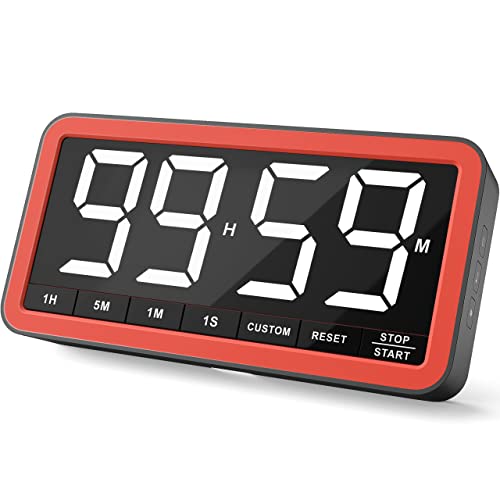
VOCOO Digital Kitchen Timer with 7.8” Extra Large Display, Magnetic LED, with 3 Brightness, 4 Alarms and 3 Volume Levels, Battery Powered Countdown Count Up Timer for Cooking, Classroom, Home Gym
Your Classroom & Kitchen Command Center – Take back control of your teaching or cooking time. The extra-large…
As an affiliate, we earn on qualifying purchases.
As an affiliate, we earn on qualifying purchases.
Conclusion
Think of meeting hygiene as your daily rhythm—clear, intentional steps that keep your schedule flowing smoothly. When you set rules and stick to them, you prevent chaos from taking over. Like a well-tuned orchestra, your meetings become harmonious, saving you hours and reducing stress. Embrace these simple habits, and you’ll find your day running like a finely crafted symphony—efficient, purposeful, and in perfect sync.

THE ART OF MEETING MANAGEMENT: A Comprehensive Guide to Manage Professional Meetings, Virtual Meetings, Events, Conventions, and Expositions
As an affiliate, we earn on qualifying purchases.
As an affiliate, we earn on qualifying purchases.
![Express Schedule Free Employee Scheduling Software [PC/Mac Download]](https://m.media-amazon.com/images/I/41yvuCFIVfS._SL500_.jpg)
Express Schedule Free Employee Scheduling Software [PC/Mac Download]
Simple shift planning via an easy drag & drop interface
As an affiliate, we earn on qualifying purchases.
As an affiliate, we earn on qualifying purchases.