

Being informed means you have access to facts, data, and knowledge about a subject, but it doesn’t necessarily give you clarity or purpose. Being oriented involves understanding how that information fits into your goals and the bigger picture, helping you navigate situations with purpose. It’s about filtering what matters and applying insights strategically. If you want to learn how to turn information into meaningful action, there’s more you can uncover below.

Prime made for students and young adults
- Fast, free delivery for dorm and study essentials
- Prime Video and Amazon Music included
- Member-only deals
Key Takeaways
- Being informed involves knowing facts; being oriented means understanding how those facts fit into a bigger context.
- Informed status focuses on data access; oriented status emphasizes applying that data toward goals and decision-making.
- Being informed can lead to information overload; being oriented helps prioritize relevant information effectively.
- Orientation provides clarity and purpose, guiding actions beyond simply knowing what is happening.
- Mastering orientation transforms raw data into meaningful insight, enabling strategic and purposeful responses.
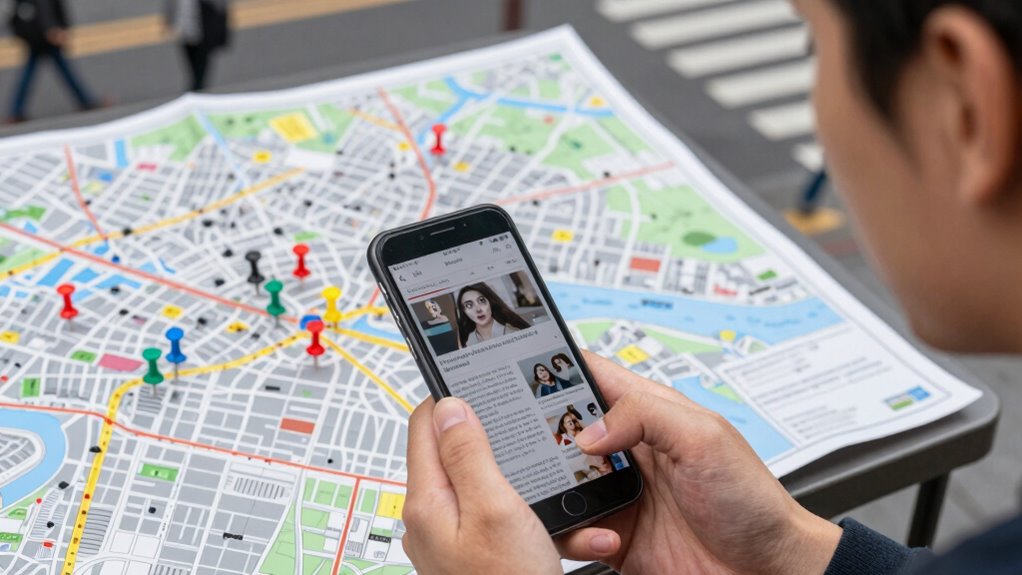
Understanding the difference between being informed and being oriented is essential for steering any situation effectively. Being informed means you have access to facts, data, or knowledge about a particular subject. It’s about knowing what’s happening, understanding the details, and staying up-to-date. However, simply having information doesn’t automatically mean you’re ready to make decisions or take action. That’s where being oriented comes into play. Orientation involves understanding how that information fits into the bigger picture, your goals, and the context, so you can navigate situations with clarity and purpose.
When you’re only informed, you might be overwhelmed by the sheer volume of data—what we often call information overload. It’s easy to fall into the trap of gathering endless facts without extracting the relevant details needed for decision making skills. Information overload can cloud your judgment, making it difficult to prioritize or to identify what truly matters. That’s why being oriented is vital. It’s about filtering, interpreting, and applying the information in a meaningful way. You need to grasp how the facts relate to your objectives, the environment, or the stakeholders involved. Developing effective information management skills enhances your ability to discern what’s essential and act accordingly.
For example, imagine you’re managing a project and receiving updates from multiple teams. You’re informed about every delay, resource issue, and technical problem. But if you’re only informed, all that data might paralyze you or cause unnecessary stress. If you’re oriented, you can distinguish between critical issues and minor setbacks, understanding which factors require immediate action and which can be addressed later. This ability to see the bigger picture enhances your decision making skills, allowing you to prioritize effectively and respond with confidence. Recognizing how to filter relevant data can significantly improve your strategic responses.
Moreover, being oriented helps you avoid decision fatigue caused by information overload and the constant influx of data. Instead of reacting impulsively to every new piece of data, you assess how each piece impacts your overarching goals. You develop a mental framework that guides your actions, making your responses more strategic and less reactive. This clarity guarantees you’re not just acting out of habit or emotion but making informed choices rooted in understanding. By cultivating situational awareness, you can better interpret the significance of data and adapt your strategies accordingly.
In essence, knowing the difference between being informed and being oriented empowers you to navigate complexity with precision. It’s about transforming raw data into meaningful insight, sharpening your decision making skills, and maintaining control amid overwhelming information. When you master this distinction, you’ll find yourself better equipped to lead, adapt, and succeed in any situation. Recognizing the importance of information management is key to developing this skill.
As an affiliate, we earn on qualifying purchases.
Frequently Asked Questions
How Can I Tell if I’M Truly Oriented or Just Informed?
You can tell if you’re truly oriented by evaluating your ability to apply critical thinking beyond information overload. Being informed means you have facts, but being oriented shows you understand how to use that knowledge in real situations. If you can connect concepts, anticipate outcomes, and make decisions confidently, you’re genuinely oriented. If you feel overwhelmed or stuck, it’s a sign you’re just informed, not truly oriented yet.
What Are Common Signs of Being Only Informed?
Signs you’re only informed include feeling flooded by information overload and being passively aware without purposeful action. You might recognize facts but struggle to connect them meaningfully or make decisions confidently. You often consume content without applying it, leading to superficial understanding. If you find yourself stuck in this cycle, it’s a sign you’re just informed, not truly oriented. Real orientation requires active engagement, not just passive awareness of information.
Can Someone Be Both Informed and Oriented Simultaneously?
Yes, you can be both informed and oriented simultaneously. When you develop strong knowledge application, you’re not just aware of facts but also understand how to use them in real situations. This enhances your situational awareness, helping you respond effectively. Being informed provides the necessary background, while orientation guarantees you can navigate your environment confidently. Together, they boost your overall readiness and decision-making skills in any scenario.
How Does Being Oriented Impact Decision-Making?
Being oriented enhances your decision-making by improving your context awareness, allowing you to see the bigger picture. For example, in strategic planning, if you’re oriented, you understand market trends and internal capabilities, guiding better choices. This awareness helps you evaluate options more effectively, avoid pitfalls, and align actions with goals. As a result, being oriented directly impacts your ability to make informed, confident decisions that drive success.
What Skills Are Necessary to Become More Oriented?
To become more oriented, you need to develop skills like contextual awareness and adaptive thinking. These skills help you interpret your environment accurately and adjust your actions accordingly. You should practice observing details and understanding how different factors connect. Cultivating curiosity and staying open to new information also enhances your ability to stay oriented. With consistent effort, you’ll improve your capacity to navigate complex situations confidently and make better decisions.
As an affiliate, we earn on qualifying purchases.
Conclusion
Remember, being informed is knowing the facts, but being oriented is knowing how to navigate them. While staying informed keeps you updated, orientation gives you direction and purpose. Don’t just gather information—use it wisely to steer your actions and decisions. As the saying goes, “Knowledge is power, but wisdom is knowing how to use it.” Stay both informed and oriented to truly master your path forward.
As an affiliate, we earn on qualifying purchases.
As an affiliate, we earn on qualifying purchases.
Halloween Picks
halloween
As an affiliate, we earn on qualifying purchases.