Work laptops should be judged by friction, not flash, because durability, security, and long-lasting performance matter more than looks or speed. Friction devices are built tough with quality materials, ensuring they can handle daily wear, environmental challenges, and accidental drops. They offer extended battery life and advanced security features, reducing downtime and risks. If you want a reliable device that supports your work long-term, understanding the differences can make all the difference.
Key Takeaways
- Friction laptops prioritize durability and reliability, ensuring consistent performance over time, unlike fragile flash devices.
- Long-lasting batteries in friction laptops support all-day productivity, reducing the need for frequent recharging.
- Built with robust materials, friction laptops withstand environmental stresses and daily wear, decreasing repair costs.
- Security features in friction devices protect sensitive data, unlike flash laptops which often lack comprehensive security measures.
- Judging by friction emphasizes device longevity and resilience, essential for professional environments, rather than superficial speed and aesthetics.
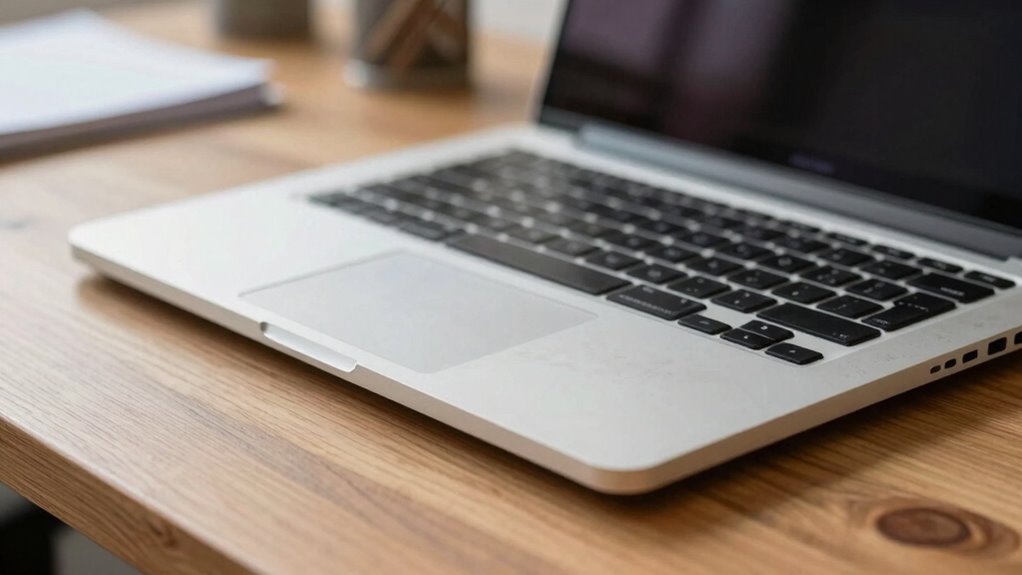
When choosing a work laptop, you’ll quickly notice a debate between models that prioritize durability and reliability—sometimes called “friction” devices—and those that focus on speed and cutting-edge features, often dubbed “flash” laptops. While flash devices may boast impressive specs and sleek designs, friction laptops deliver consistent performance that truly supports your daily work needs. One of the most critical factors to consider is battery longevity. In a professional setting, you can’t afford a device that requires frequent charging or dies halfway through your workday. Friction laptops are built with longer-lasting batteries designed for endurance, ensuring you stay productive without constantly hunting for an outlet. Additionally, the use of robust security features** in friction laptops helps protect sensitive data from cyber threats, especially in remote work scenarios. Security features are another vital aspect where friction laptops typically excel. These devices are engineered with robust security measures like hardware encryption, biometric authentication, and trusted platform modules. Such features help protect sensitive company data, especially when you’re working remotely or on the go. When your work involves confidential information, a friction device offers peace of mind, knowing your data is safeguarded by proven security features designed for enterprise use. Durability is also a core trait of friction laptops. They are built to withstand the rigors of daily commute, accidental drops, and varied environmental conditions. This resilience means fewer repairs, less downtime, and a longer lifespan, ultimately saving your organization money. Moreover, selecting a device with durability standards can significantly reduce the total cost of ownership over its lifespan. A well-designed friction laptop also often incorporates quality build materials, making it more resistant to wear and tear over time. In fact, these materials can also contribute to thermal management, enhancing the overall performance. The combination of material strength and thoughtful design ensures these laptops remain functional longer under typical usage conditions. Flash laptops, with their slim profiles and fragile components, often lack this toughness and may require more frequent replacements or repairs, which can be disruptive and costly over time. While flash laptops might seem appealing with their flashy visuals and rapid performance, they often fall short in areas that truly matter for work environments—battery longevity, security, and durability. Choosing a friction device ensures you get a reliable workhorse that supports your productivity, keeps your data safe, and endures the demands of everyday professional life. In the end, prioritizing friction over flash means investing in a machine that’s built for the long haul and genuinely aligns with the core needs** of your work.
durable business laptops with long battery life
As an affiliate, we earn on qualifying purchases.
As an affiliate, we earn on qualifying purchases.
Frequently Asked Questions
How Does Laptop Friction Impact Long-Term Durability?
Laptop friction directly impacts long-term durability by affecting ergonomic comfort and user interface. When components like hinges and keyboard mechanisms resist smooth operation, they endure more wear and tear, reducing lifespan. You’ll notice decreased responsiveness and potential breakage over time, making it harder to use your device comfortably. Prioritizing low-friction designs guarantees your laptop remains reliable, providing a better experience and lasting longer through consistent, smooth interaction.
What Materials Best Reduce Friction in Work Laptops?
A stitch in time saves nine, and choosing the right materials can safeguard your laptop’s longevity. You’ll want surface coatings like ceramic or PTFE, which lower friction effectively. Material synergy plays a key role—combining durable plastics with smooth surface coatings reduces wear and tear over time. This strategic pairing ensures your work laptop remains reliable, handling daily use with less friction, and ultimately, extends its long-term durability.
Is There a Trade-Off Between Friction and Laptop Weight?
Yes, there is a trade-off between friction and laptop weight. When you choose materials with an ergonomic grip or specific surface textures to reduce friction, it can sometimes add to the weight, making the laptop less portable. Balancing a surface texture that provides enough grip without increasing weight is key. You want a design that offers a comfortable, secure hold without sacrificing ease of transport.
How Can Friction Influence Laptop Thermal Performance?
Friction acts like a silent conductor in your laptop’s thermal symphony. Higher friction coefficients between components can hinder heat transfer, trapping warmth inside. Conversely, materials with better thermal conductivity reduce friction and facilitate heat dissipation. By carefully managing these factors, you prevent overheating, ensuring your laptop runs smoothly. So, controlling friction influences thermal performance, helping your device stay cool under pressure and operate at its best.
Are There Industry Standards for Measuring Laptop Friction?
Yes, industry standards exist for measuring laptop friction, focusing on aspects like screen durability and hinge resistance. These standards help you evaluate how well a laptop withstands repeated opening and closing actions, ensuring long-term usability. By examining hinge resistance, you can determine if the laptop’s hinges are sturdy enough, and by checking screen durability, you find out how well the display resists wear and tear over time.
security features laptops for remote work
As an affiliate, we earn on qualifying purchases.
As an affiliate, we earn on qualifying purchases.
Conclusion
Remember, like Icarus soaring too close to the sun, chasing flashy features on your work laptop can lead to a crash. Instead, focus on the friction—reliable performance you can rely on day after day. It’s the steady hand guiding your journey, not the fleeting shine of superficial upgrades. In the end, choosing a laptop built for resilience over spectacle ensures you won’t fall from the heights of productivity when it matters most.
rugged professional laptops with robust materials
As an affiliate, we earn on qualifying purchases.
As an affiliate, we earn on qualifying purchases.
enterprise security laptops with biometric authentication
As an affiliate, we earn on qualifying purchases.
As an affiliate, we earn on qualifying purchases.