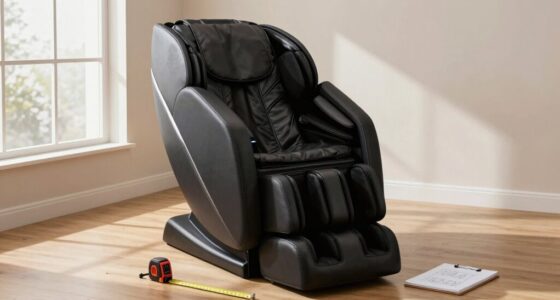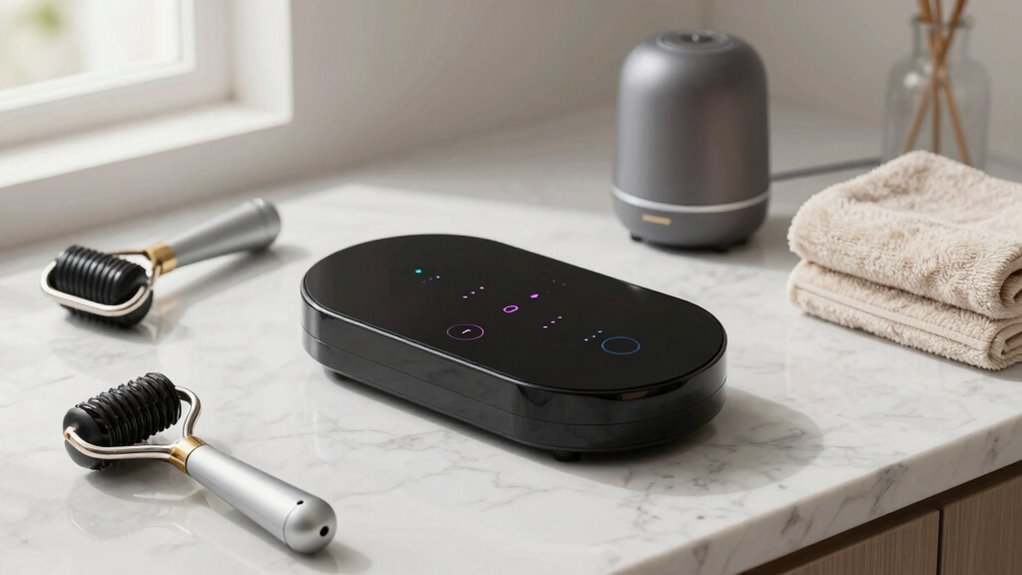

High-end wellness products often overload you with too many sensors, apps, and features, hoping to impress but ending up confusing and overwhelming. When you try to use all these functions at once, it can dilute the core benefits and make it harder to trust the data. Simplicity and focus on essential features help you better understand and trust your device. If you want to learn how to avoid feature overload and get the most out of your wellness tech, keep exploring.

Prime made for students and young adults
- Fast, free delivery for dorm and study essentials
- Prime Video and Amazon Music included
- Member-only deals
Key Takeaways
- Excessive features in wellness devices can overwhelm users, reducing clarity and trust in the product’s core benefits.
- Overloading products with sensors and functions often dilutes their effectiveness and complicates user experience.
- Simplification by focusing on essential features improves user understanding, confidence, and routine integration.
- Clear, targeted functionalities foster trust and prevent frustration caused by contradictory or excessive data.
- Prioritizing quality and purpose over quantity enhances overall satisfaction and sustainable wellness outcomes.
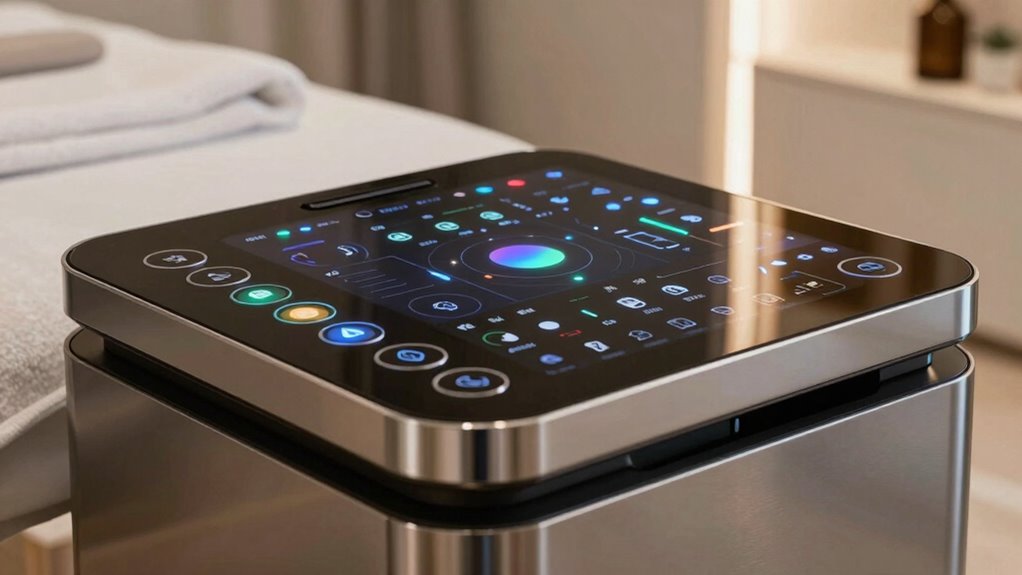
In today’s wellness market, products often boast an overwhelming array of features, making it hard to determine which ones truly deliver value. Many high-end wellness devices are packed with sensors, apps, and extra functionalities, all aimed at impressing you with their sophistication. But more isn’t always better. When a product tries to do everything at once, it can create confusion rather than clarity. As a consumer, your trust in these products can quickly erode if you feel overwhelmed or unsure about their actual benefits. That’s where simplicity strategies come into play, helping you navigate the clutter and focus on what truly matters.
Customer trust hinges on clear, straightforward value. When a device offers too many features, you might question whether it’s genuinely effective or just trying to appear advanced. If you’re constantly bombarded with notifications, confusing interfaces, or contradictory data, your confidence in the product diminishes. Instead of feeling empowered, you might feel frustrated or skeptical. To foster trust, brands need to prioritize transparency and ease of use, emphasizing core functionalities that genuinely improve your wellness journey. This approach shows that they understand your desire for effective solutions without the distraction of unnecessary extras.
Customer trust grows when wellness devices focus on clear, essential features rather than overwhelming with extras.
Simplification strategies serve as a practical solution in this cluttered landscape. They involve narrowing down features to what’s essential, making the user experience more intuitive. For instance, a wellness device might focus solely on sleep tracking and stress management, rather than trying to monitor every aspect of your health simultaneously. By doing so, you’re more likely to understand the data, trust the insights, and stay committed to using the product consistently. Clear, targeted features reduce cognitive load, making it easier for you to integrate the device into your daily routine without feeling overwhelmed. Additionally, reducing feature overload can help align products more closely with the principles of biodiversity and sustainable living, emphasizing quality and purpose over excess. Incorporating user-centric design principles ensures that the product remains accessible and meaningful to the user.
Ultimately, the key to overcoming feature overload in high-end wellness products is a focus on quality over quantity. When brands adopt simplification strategies, they demonstrate a respect for your time and intelligence. You can trust that the product is designed with your core needs in mind, rather than just showcasing a laundry list of capabilities. This balance not only builds customer trust but also enhances your overall wellness experience, helping you achieve meaningful results without the distraction of unnecessary complexity. The goal is to empower, not confuse, and that’s only possible when features serve a clear purpose.
As an affiliate, we earn on qualifying purchases.
Frequently Asked Questions
How Do Consumers Perceive Feature Overload in Wellness Products?
You likely perceive feature overload in wellness products as overwhelming and confusing, making it harder to focus on what truly matters. This can lead to sensory overload, where the sheer number of features and options distract you from mindful consumption. You might feel frustrated or disengaged, questioning whether all those extras genuinely enhance your well-being or just add unnecessary complexity. Simplifying your choices helps you stay centered and more intentional.
What Are Common Signs of Feature Overload for Buyers?
You might notice signs of feature overload that feel like trying to navigate a maze with a blindfold, causing overwhelming feature fatigue. Usability challenges become constant, with devices or apps seeming more complicated than helpful. You struggle to find essential functions, get frustrated with confusing interfaces, and feel your excitement for the product dims. These signs indicate the product’s too packed with features, making it harder to enjoy its true benefits.
Does Feature Overload Impact Product Durability or Longevity?
Feature overload can negatively impact product durability and longevity because added features often introduce more complexity and potential points of failure. When a product becomes overly complicated, it may rely on delicate components or intricate mechanisms that wear out faster. To maintain durability, it’s important to prioritize product simplicity, ensuring that essential functions are robust and reliable, rather than burdened by unnecessary features that could compromise long-term performance.
Are There Specific Demographics More Affected by Feature Overload?
Imagine walking into a bustling market full of vibrant stalls—certain demographics, shaped by their preferences and cultural influences, feel overwhelmed by the clutter. Younger consumers often seek simplicity, avoiding feature overload, while tech-savvy users relish advanced options. Cultural influences steer these preferences, making some groups more sensitive to excess features. You might find that understanding these differences helps tailor wellness products that resonate without overwhelming, fostering genuine connection.
How Can Manufacturers Prevent Feature Overload in Future Products?
To prevent feature overload in future products, you should focus on designing a simple, intuitive user interface that minimizes unnecessary options, reducing sensory overload. Prioritize core features that deliver real value, and eliminate or streamline secondary functions. Conduct user testing to identify confusing elements, and gather feedback to refine the experience. This approach helps users stay engaged without feeling overwhelmed, ensuring your product remains effective and enjoyable to use.
stress management wellness device
As an affiliate, we earn on qualifying purchases.
As an affiliate, we earn on qualifying purchases.
Conclusion
Think of high-end wellness products as a finely tuned orchestra. When too many features play at once, the harmony turns into chaos, leaving you overwhelmed instead of relaxed. To truly enjoy the symphony of health benefits, focus on the core notes that resonate with your needs. Simplify your choices, and let the true melody of wellness guide you—because sometimes, less is the most powerful tune you can play.
essential wellness monitoring device
As an affiliate, we earn on qualifying purchases.
As an affiliate, we earn on qualifying purchases.
As an affiliate, we earn on qualifying purchases.
Halloween Picks
halloween
As an affiliate, we earn on qualifying purchases.