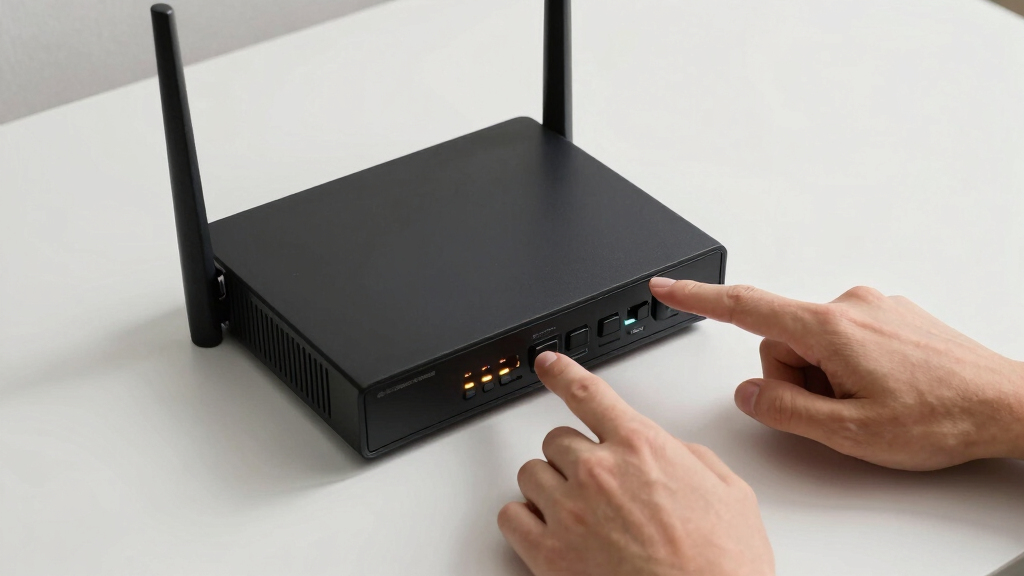

If you’re searching for the best firewall router for your home network, you’re likely balancing security, performance, and ease of setup. The top contenders include the Netgate 1100 pfSense+ Security Gateway for robust customization, and the Ubiquiti UDR7 UniFi Dream Router for a seamless blend of security and user-friendly design. Many options offer advanced features, but they often come with tradeoffs like complexity or cost. Keep reading to see how these options stack up and which one fits your specific needs.
Key Takeaways
- The top-ranked options combine strong security features with user-friendly interfaces for different user levels.
- Price often correlates with advanced customization; premium models offer more control but require technical know-how.
- Small home setups can get solid protection from budget-friendly options like the Ubiquiti EdgeRouter X, while larger networks benefit from enterprise-grade models.
- Ease of setup varies widely; some routers require technical expertise, while others are plug-and-play.
- Performance, especially throughput and VPN support, is a key differentiator that impacts real-world usability.
| Netgate 1100 pfSense+ Security Gateway – Firewall, Router, VPN |  | Best Overall for Advanced Home Security and Customization | Processor: Dual-core ARM Cortex-A53 1.2 GHz | RAM: 1 GB | Ports: 3 x 1 GbE | VIEW LATEST PRICE | See Our Full Breakdown |
| TP-Link ER605 V2 Wired Gigabit VPN Router |  | Best Value for Multi-WAN Connectivity and Security | Number of Ports: 5 (1 WAN, 2 WAN/LAN, 2 LAN) | WAN Ports: 3 | USB WAN Port: Yes | VIEW LATEST PRICE | See Our Full Breakdown |
| Fortinet FortiGate-30G Firewall for Small Offices with 4 Gigabit Ethernet RJ45 Ports |  | Best Compact Firewall for Small Offices with Integrated Security | Ports: 4 Gigabit Ethernet RJ45 | WAN Ports: 1 | Performance: 800 Mbps IPS, 500 Mbps threat protection | VIEW LATEST PRICE | See Our Full Breakdown |
| GL.iNet GL-MT6000 Flint 2 Wi-Fi 6 Gaming Router Dual 2.5G Ports |  | Best High-Speed Wi-Fi 6 Router for Gaming and Streaming | Wi-Fi Standard: Wi-Fi 6 | Max Speed: 6 Gbps | RAM: 1GB DDR4 | VIEW LATEST PRICE | See Our Full Breakdown |
| FortiGate-40F Firewall Appliance – 5 Gigabit Ethernet RJ45 Ports, Ideal for Small Businesses |  | Best for Small to Mid-Sized Business Security and Performance | Number of Ports: 5 | Port Type: Gigabit Ethernet RJ45 | WAN Ports: 1 | VIEW LATEST PRICE | See Our Full Breakdown |
| Ubiquiti EdgeRouter 4 |  | Best for Advanced Networking with Versatile Deployment | Ethernet ports: 3 x Gigabit | Serial port: RJ45 | SFP port: Yes | VIEW LATEST PRICE | See Our Full Breakdown |
| TP-LINK ER707-M2 Omada Multi-Gigabit VPN Router |  | Best for Secure, High-Bandwidth Small Business Networks | Port configuration: 1 2.5GbE WAN, 1 2.5GbE WAN/LAN, 4 Gigabit WAN/LAN, 1 SFP WAN/LAN, 1 USB 2.0 | Maximum concurrent sessions: 500,000 | Maximum clients: 1000+ | VIEW LATEST PRICE | See Our Full Breakdown |
| Netgate 2100 MAX pfSense+ Security Gateway |  | Best for Enterprise-Grade Security in Small Networks | Processor: 1.2 GHz ARM Cortex-A53 | Firewall throughput: 964 Mbps | Routing speed: 2.20 Gbps | VIEW LATEST PRICE | See Our Full Breakdown |
| Ubiquiti Networks UDR7 UniFi Dream Router 7 |  | Best for High-Speed Home/Small Business Networks with Advanced Management | Integrated WiFi: WiFi 7 | WiFi bands: 6 GHz support | Number of ports: 6 | VIEW LATEST PRICE | See Our Full Breakdown |
| Ubiquiti Networks EdgeRouter X, 4-Port Gigabit Router |  | Best Budget Compact Router for Basic Home/Small Business Use | Number of ports: 5 | Port type: Gigabit RJ45 | Power: 24V passive PoE or power adapter | VIEW LATEST PRICE | See Our Full Breakdown |
More Details on Our Top Picks
Netgate 1100 pfSense+ Security Gateway – Firewall, Router, VPN
The Netgate 1100 stands out for those with technical experience who want a highly customizable, enterprise-grade firewall solution at home. Pre-loaded with pfSense+ software, it offers robust security features and supports high-speed VPN and firewall throughput, making it ideal for tech-savvy users seeking granular control. Compared with the Fortinet FortiGate-30G, it provides more flexibility for DIY setups but requires more configuration effort. Its limited ports and lack of built-in Wi-Fi mean it’s best paired with external access points for comprehensive home coverage. Tradeoffs include a steeper learning curve and wired-only connectivity, which could challenge less experienced users.
Pros:- Highly customizable with pfSense+ software for detailed control
- Compact, silent design fits seamlessly into various environments
- Supports high-speed firewall and VPN throughput for secure remote access
Cons:- Limited to three Ethernet ports, requiring external switches for more devices
- Requires technical knowledge for optimal setup and management
- No built-in Wi-Fi, necessitating additional access points
Best for: Home users with networking experience needing a flexible, security-focused edge device.
Not ideal for: Beginners or those seeking an all-in-one Wi-Fi solution without complex setup.
- Processor:Dual-core ARM Cortex-A53 1.2 GHz
- RAM:1 GB
- Ports:3 x 1 GbE
- Connectivity:Ethernet, Micro USB, USB
- Operating System:pfSense+ (FreeBSD)
- Maximum Data Transfer Rate:940 Mbps
Our verdict“A smart choice for experienced users wanting a customizable, high-performance firewall at home.”
TP-Link ER605 V2 Wired Gigabit VPN Router
The TP-Link ER605 V2 excels for users who need multiple WAN connections and robust security without breaking the bank. Its support for up to three WAN ports and a USB backup option makes it highly adaptable for small to medium homes or offices. Compared to the FortiGate-40F, it offers more flexible WAN options but lacks some of the advanced threat detection features. Its lack of built-in Wi-Fi means you’ll need external access points, which can complicate setup for less experienced users. Tradeoffs include a more complex configuration process and reliance on external Wi-Fi devices, but the device’s multi-WAN support ensures reliable bandwidth management.
Pros:- Supports multiple WAN connections for optimized bandwidth
- USB port for mobile broadband backup ensures network reliability
- Comprehensive security features including VPN and firewall support
Cons:- No built-in Wi-Fi, requiring external access points
- Setup complexity can challenge beginners
- Limited wired connectivity options for larger networks
Best for: Small business owners or tech-savvy households needing multi-WAN redundancy and VPN security.
Not ideal for: Home users seeking an all-in-one Wi-Fi router with simple setup or wireless coverage.
- Number of Ports:5 (1 WAN, 2 WAN/LAN, 2 LAN)
- WAN Ports:3
- USB WAN Port:Yes
- Maximum Data Transfer Rate:4000 Mbps
- Wireless Compatibility:Wi-Fi 6 (802.11ax)
- Coverage:Multi-WAN and VPN supported
Our verdict“Best suited for users needing reliable, multi-WAN management with VPN security, willing to handle setup complexity.”
Fortinet FortiGate-30G Firewall for Small Offices with 4 Gigabit Ethernet RJ45 Ports
The Fortinet FortiGate-30G is designed for small offices or advanced home setups where security is paramount. Its combination of firewall, SD-WAN, and wireless controller functions in a compact, fanless form factor appeals to users prioritizing high security and ease of deployment. Compared with the Netgate 1100, it offers more integrated features but is limited to small-scale environments. Its performance—800 Mbps IPS and 500 Mbps threat protection—may fall short for larger networks, but it excels at providing a unified security platform. Its lack of detailed Wi-Fi specifications and coverage limits could be a drawback for those seeking comprehensive wireless integration.
Pros:- All-in-one device with firewall, SD-WAN, and wireless management
- High security performance with 800 Mbps IPS and threat detection
- User-friendly centralized management with zero-touch deployment
Cons:- Limited to small office environments; performance may not suffice for larger networks
- No detailed Wi-Fi coverage or dual-band specifications
- Performance constraints could restrict scalability
Best for: Small business owners or security-conscious home users needing an all-in-one security appliance.
Not ideal for: Home users who require extensive Wi-Fi coverage or larger network capacity.
- Ports:4 Gigabit Ethernet RJ45
- WAN Ports:1
- Performance:800 Mbps IPS, 500 Mbps threat protection
- Design:Fanless, compact
Our verdict“A compact, security-focused device perfect for small offices or tech-savvy home users prioritizing integrated protection.”
GL.iNet GL-MT6000 Flint 2 Wi-Fi 6 Gaming Router Dual 2.5G Ports
The GL.iNet GL-MT6000 Flint 2 is tailored for households that demand blazing-fast Wi-Fi 6 speeds and low latency for gaming, streaming, and a large device count. Its support for speeds up to 6 Gbps and over 100 connected devices makes it stand out, especially compared to traditional routers. While it offers impressive VPN performance and features AdGuard Home for ad blocking, its reliance on firmware updates for optimal performance can be a hiccup for some users. Its performance varies depending on your internet setup and environment, so expecting consistent 6 Gbps speeds across all conditions might be optimistic.
Pros:- Wi-Fi 6 support with speeds up to 6 Gbps for gaming and streaming
- Supports over 100 devices simultaneously without performance drops
- Fast VPN speeds and integrated ad blocking for secure, seamless use
Cons:- Requires a firmware update during initial setup, which may delay deployment
- Performance can be affected by environment and ISP limitations
- Potential variability in actual speeds depending on network conditions
Best for: Gamers, streamers, and families with many devices seeking high-speed, low-latency Wi-Fi.
Not ideal for: Users with basic internet needs or those preferring wired-only setups for maximum stability.
- Wi-Fi Standard:Wi-Fi 6
- Max Speed:6 Gbps
- RAM:1GB DDR4
- Ports:Dual 2.5G ports
- VPN Speed:OpenVPN up to 880Mbps, Wireguard up to 900Mbps
- Device Capacity:Over 100 devices
Our verdict“An excellent choice for households with heavy device usage seeking premium Wi-Fi 6 performance for gaming and streaming.”
FortiGate-40F Firewall Appliance – 5 Gigabit Ethernet RJ45 Ports, Ideal for Small Businesses
The FortiGate-40F is designed for small to mid-sized businesses or advanced home networks where security and high throughput are essential. Its five Gigabit Ethernet ports and 1 Gbps security throughput provide reliable and scalable protection. Compared with the FortiGate-30G, it offers more internal ports and higher throughput, making it suitable for slightly larger or more demanding environments. Its high-performance security features—1 Gbps IPS and 600 Mbps threat protection—are impressive, but the device lacks wireless capabilities, making it less flexible for wireless coverage. It’s a strong choice when security and performance are prioritized over Wi-Fi integration.
Pros:- Flexible connectivity with five Gigabit Ethernet ports
- High security throughput with advanced threat protection
- Compact, fanless design for quiet operation
Cons:- No built-in Wi-Fi, requiring external wireless solutions
- No included subscription services for enhanced security features
- Limited to small and mid-sized environments in scalability
Best for: Small business owners or power users needing advanced security and multiple wired connections.
Not ideal for: Home users looking for an all-in-one Wi-Fi solution or wireless coverage.
- Number of Ports:5
- Port Type:Gigabit Ethernet RJ45
- WAN Ports:1
- Internal Ports:4
- Throughput:1 Gbps IPS, 600 Mbps threat protection
Our verdict“Ideal for security-focused small businesses or homes with extensive wired infrastructure, but not for wireless-centric setups.”
Ubiquiti EdgeRouter 4
The Ubiquiti EdgeRouter 4 stands out for its sturdy, fanless design and multiple connectivity options, including SFP for fiber, making it ideal for users seeking a silent, reliable router in a flexible setup. Compared with the Ubiquiti UDR7 UniFi Dream Router, it offers more advanced hardware options but lacks built-in WiFi, limiting its use for wireless needs. The EdgeRouter 4 is best suited for tech-savvy homeowners or small offices with existing wired infrastructure, willing to handle a more complex setup. Its limited ports and lack of wireless make it less suitable for those wanting an all-in-one home device. Pros include multiple port choices including fiber, silent operation, and versatile mounting. Cons involve a steep learning curve and no integrated WiFi. Verdict: This router is perfect for users needing flexible, wired network expansion and who don’t mind a technical setup process.
Pros:- Multiple port options including SFP for fiber connectivity
- Fanless design for silent operation
- Versatile mounting options
Cons:- Limited to three Ethernet ports
- Requires technical knowledge for setup
Best for: Tech-savvy homeowners or small office users needing flexible wired connections and silent operation
Not ideal for: Home users seeking a plug-and-play wireless router, due to its lack of built-in WiFi
- Ethernet ports:3 x Gigabit
- Serial port:RJ45
- SFP port:Yes
- Power consumption:13 Watts
- Mount options:Desk, wall, rack
- Fanless:Yes
Our verdict“Ideal for users who prioritize flexible wired connectivity and silent operation over wireless features.”
TP-LINK ER707-M2 Omada Multi-Gigabit VPN Router
The TP-LINK ER707-M2 excels with multi-gigabit ports and robust security features tailored for more demanding network environments. It surpasses the Netgate 2100 MAX in raw security protocols and supports extensive VPN options, but the setup complexity requires technical expertise. Its single-band WiFi is a drawback for users wanting wireless connectivity, making it more suited for wired networks. This router makes sense for small business owners or advanced home users who need high throughput and comprehensive security. However, for casual home users, its complex configuration might be a barrier. Pros include multi-gigabit ports, advanced security protocols, and cloud management. Cons involve complex setup and limited wireless features. Verdict: This router is best for users needing enterprise-grade security and multi-gigabit wired performance in a business or tech-savvy home setting.
Pros:- High bandwidth ports supporting multi-gigabit speeds
- Robust security protocols including SSL and IPSec
- Centralized cloud management for remote control
Cons:- Complex setup requiring technical skills
- Limited wireless features, single-band only
Best for: Small business owners or tech-savvy users needing secure, high-speed wired connections
Not ideal for: Home users seeking simple plug-and-play wireless solutions, due to complex setup and limited WiFi
- Port configuration:1 2.5GbE WAN, 1 2.5GbE WAN/LAN, 4 Gigabit WAN/LAN, 1 SFP WAN/LAN, 1 USB 2.0
- Maximum concurrent sessions:500,000
- Maximum clients:1000+
- VPN support:LAN-to-LAN IPsec, OpenVPN, L2TP, PPTP
- Data transfer rate:2500 Mbps
- Security protocols:SSL, IPSec, GRE, SSH, IKEv1/v2
Our verdict“Designed for security-conscious users who need high-performance wired networking with advanced VPN support.”
Netgate 2100 MAX pfSense+ Security Gateway
The Netgate 2100 MAX offers enterprise-level firewall and routing capabilities, powered by pfSense+ software, making it ideal for small business networks or highly secure home setups. Its high routing throughput and passive cooling are significant advantages over the Ubiquiti EdgeRouter 4, especially for users requiring enterprise VPNs and advanced security. However, its limited wireless capabilities—primarily wired with dual-band support—and focus on security can be a downside for users wanting comprehensive wireless coverage. This device suits buyers who prioritize security and performance over wireless features. For casual home users, the setup and enterprise focus may be overkill. Pros include high throughput, passive cooling, and enterprise VPN protocols. Cons involve limited wireless and a focus on small business environments. Verdict: This is a top choice for security-focused users needing enterprise-grade routing and firewall features in a small network.
Pros:- High-performance routing and firewall throughput
- Pre-loaded with pfSense+ for ease of deployment
- Silent, passive cooling with low power consumption
Cons:- Limited wireless capabilities, mainly wired
- Designed primarily for small business use
Best for: Small business owners or security-conscious users needing enterprise-grade firewall and routing
Not ideal for: Home users seeking wireless connectivity or simple setup, due to its enterprise focus
- Processor:1.2 GHz ARM Cortex-A53
- Firewall throughput:964 Mbps
- Routing speed:2.20 Gbps
- Memory:4 GB RAM
- Ports:5
- Form factor:Fanless, passive cooling
Our verdict“Best suited for users demanding enterprise-grade security and routing in a compact, fanless form factor.”
Ubiquiti Networks UDR7 UniFi Dream Router 7
The Ubiquiti UDR7 UniFi Dream Router 7 combines advanced WiFi 7 technology with a 10G Ethernet port and PoE switch, making it an excellent choice for users needing fast, comprehensive wireless coverage alongside wired connections. Its management via the UniFi app simplifies control for those familiar with Ubiquiti’s ecosystem, but the complexity can be daunting for beginners. Compared with the EdgeRouter X, it offers much more in wireless performance and user-friendly management, though at a higher price point and with limited device management capacity (30+ devices). This pick makes sense for tech-savvy home users or small offices with demanding wireless needs. However, novice users or those with larger device counts may find it limiting. Pros include WiFi 7 support, integrated 10G Ethernet, and full device management. Cons involve potential complexity and limited device management scope. Verdict: Designed for users wanting cutting-edge WiFi and easy management within a small to medium network environment.
Pros:- High-speed WiFi 7 with 6 GHz support
- Integrated 10G Ethernet and PoE ports
- Full device management via the UniFi app suite
Cons:- Potentially complex for inexperienced users
- Limited to managing 30+ devices
Best for: Home or small business users needing high-speed WiFi 7 and manageable wired/wireless setup
Not ideal for: Users unfamiliar with network management or needing to manage large device counts
- Integrated WiFi:WiFi 7
- WiFi bands:6 GHz support
- Number of ports:6
- PoE port:Yes
- 10G SFP+ port:Yes
- Maximum managed devices:30+
Our verdict“Ideal for users seeking a high-performance WiFi 7 router with professional management features for small networks.”
Ubiquiti Networks EdgeRouter X, 4-Port Gigabit Router
The EdgeRouter X offers an affordable, compact solution for basic routing needs, with five configurable Gigabit ports and passive PoE passthrough. It’s ideal for users comfortable with configuring network devices, especially since the title mentions four ports but the device actually has five. The EdgeRouter X is less powerful than the Netgate 2100 MAX but provides enough capability for straightforward setups. Its small size and low cost make it a good starter option, though it lacks advanced features and wireless capabilities. For users who need simple, wired connectivity without extra features, this router is a sensible pick. More demanding users or those needing integrated WiFi should look elsewhere. Pros include affordability, five configurable ports, and passive PoE support. Cons involve limited advanced features and potential confusion over port count. Verdict: Well-suited for budget-conscious users with basic wired networking needs who are comfortable with manual configuration.
Pros:- Affordable and compact design
- Five configurable Gigabit ports
- Supports passive PoE passthrough
Cons:- Limited advanced features
- Confusing port count in the title
Best for: Home users or small business owners seeking an affordable, wired router with basic configuration skills
Not ideal for: Users needing integrated WiFi or plug-and-play simplicity, due to limited features and setup complexity
- Number of ports:5
- Port type:Gigabit RJ45
- Power:24V passive PoE or power adapter
- Form factor:Ultra-compact
Our verdict“Best for budget-conscious users comfortable with manual setup who need reliable wired routing.”

How We Picked
The products in this roundup were evaluated based on a combination of performance, security features, ease of use, build quality, and value. Priority was given to models that provide robust firewall capabilities suitable for home networks, with a focus on balancing security with user accessibility. Additional factors included configurability for tech-savvy users versus simplicity for beginners, as well as compatibility with common home internet setups. The ranking reflects how well each router meets these criteria, offering options for different levels of expertise and budget constraints.Factors to Consider When Choosing Best Firewall Router For Home Network
Choosing the right firewall router for your home involves weighing several key factors. Security features are paramount, but ease of setup and ongoing maintenance also matter. Compatibility with your existing network and future scalability can influence long-term satisfaction. Understanding these considerations helps avoid common pitfalls, like overpaying for features you don’t need or selecting a device that’s too complex for your skills.Security Capabilities and Customization
Look for routers that offer advanced firewall options, intrusion detection, and VPN support. Customizable security settings are important for tech-savvy users who want granular control, but they can overwhelm beginners. Balance your need for detailed control with ease of use, choosing a device that aligns with your technical comfort level.
Performance and Throughput
The router’s processing power impacts how well it handles multiple connected devices and encrypted traffic. If your home has many devices or requires high-speed VPN connections, prioritize models with higher throughput ratings. Cheaper models might struggle under load, leading to lag or dropped connections.
Ease of Setup and Management
Some routers feature intuitive apps and streamlined interfaces that make setup straightforward, ideal for non-technical users. Others require more configuration, which can be rewarding for experienced users but frustrating for beginners. Consider your comfort with technology when choosing.
Compatibility and Future-Proofing
Ensure the router works with your internet service and supports current standards like Wi-Fi 6 or multi-gig ports if needed. Future-proofing involves selecting a device capable of handling increased speeds and expanding connected devices, saving money and effort down the line.
Price and Value
Higher-priced models typically offer more advanced security features and better performance, but may be unnecessary for basic home use. Conversely, budget options can provide essential protection without extra complexity. Match your budget with your security needs to get the best value.
Frequently Asked Questions
Do I need a dedicated firewall router or can I use a standard router with security features?
A dedicated firewall router offers more granular security controls and better protection against sophisticated threats, making it ideal for users with higher security demands. Standard routers with basic security features may suffice for most home users but might lack advanced customization and threat detection. The choice depends on your risk level, technical comfort, and whether you want to prioritize ease or control.
How important is VPN support in a home firewall router?
VPN support can significantly enhance your privacy and security by encrypting your internet traffic and allowing secure remote access. For households with remote workers or frequent travelers, a router with robust VPN capabilities is a valuable investment. However, VPN features often add complexity and may impact performance, so consider your actual usage needs.
Can I replace my existing router with a dedicated firewall device?
Yes, many firewall devices can replace or work alongside your existing router, especially if they support bridging modes or are compatible with your network. This setup can improve security without sacrificing your current Wi-Fi network, but it may require additional configuration. Compatibility and technical knowledge are key factors.
Is a high-end firewall router worth the extra cost for a home network?
Investing in a high-end firewall router makes sense if you handle sensitive data, run a smart home with many IoT devices, or want advanced features like deep packet inspection and extensive VPN options. For typical households, mid-range options often provide sufficient security at a more accessible price point, so evaluate your specific needs before spending more.
How often should I update my firewall router’s firmware?
Firmware updates are vital for security, performance improvements, and bug fixes. Manufacturers often release updates in response to emerging threats, so regularly checking for updates—at least quarterly—is recommended. Setting automatic updates, if available, can ensure you stay protected without manual intervention.