
TL;DR
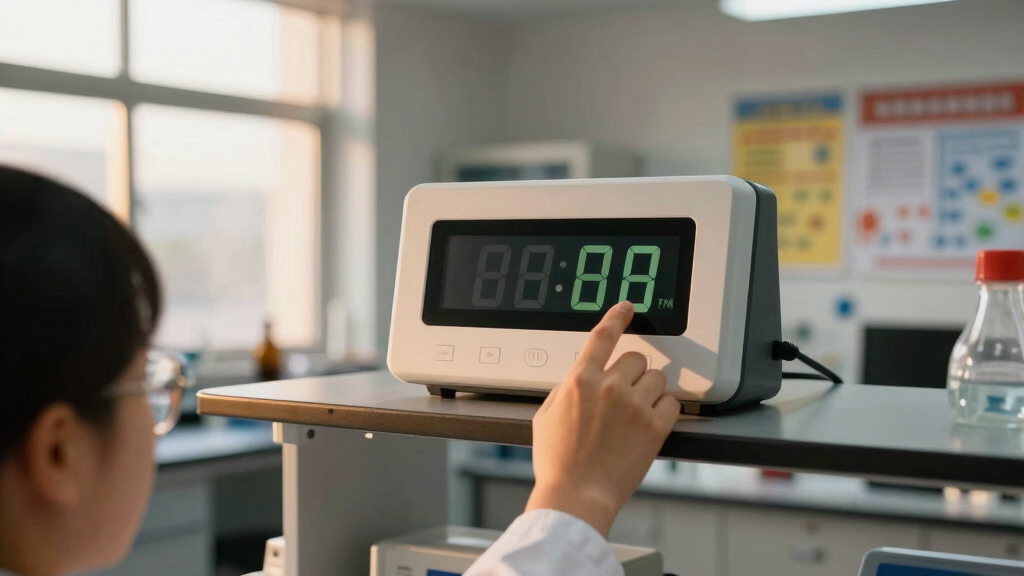
Global timekeeping organizations have announced that no leap second will be added at the end of December 2026. This decision affects how Coordinated Universal Time (UTC) is maintained and could impact various technological systems relying on precise time synchronization.
Global timekeeping agencies have officially confirmed that no leap second will be added at the end of December 2026. This marks a significant change in the practice of adjusting Coordinated Universal Time (UTC), which has included leap seconds since 1972. The decision, announced by the International Telecommunication Union (ITU) and the International Bureau of Weights and Measures (BIPM), aims to simplify timekeeping and reduce disruptions to technology systems worldwide.
The decision to omit the leap second in 2026 was made after a series of consultations among international standards organizations and scientific bodies. Traditionally, leap seconds are added to keep UTC aligned with Earth’s slowing rotation, which can vary due to natural factors. The last leap second was added in December 2016, and the upcoming one was scheduled for December 2026.
According to the BIPM, the decision reflects a shift in how timekeeping is managed, emphasizing continuous time scales over periodic adjustments. The move has been supported by major technology companies and scientific institutions that have expressed concern over the disruptions caused by leap seconds, especially for systems requiring precise synchronization, such as satellite navigation and financial trading platforms.
While the decision is confirmed, the organizations emphasized that this does not mean leap seconds will be permanently discontinued. Instead, they will reassess the need for future adjustments based on ongoing observations of Earth’s rotation and technological developments.
Implications for Global Timekeeping and Technology
The decision not to introduce a leap second in December 2026 is significant because it marks a shift toward a more continuous, less disruptive approach to maintaining UTC. This change could reduce the risk of errors and system failures in critical infrastructure that depend on precise time synchronization, such as telecommunications, navigation, and financial markets. However, it also raises questions about how Earth’s rotation will be monitored and managed in the future, and whether additional adjustments might be needed later.

WallarGe Atomic Digital Wall Clock Battery Operated, Self-Setting, Large Display with Temperature, Date, Day of The Week, Silent Wall Mount Digital Clock, 4 Time Zones, DST
Atomic Clock Digital – The clock has a built-in receiver that automatically synchronizes itself with WWVB radio broadcast,…
As an affiliate, we earn on qualifying purchases.
As an affiliate, we earn on qualifying purchases.
Historical and Future Timekeeping Adjustments
Since 1972, leap seconds have been added irregularly to keep UTC aligned with Earth’s rotation, which is gradually slowing due to natural processes. The practice has been controversial because it introduces irregularities in timekeeping systems, complicating the synchronization of global networks. The last leap second was added in December 2016, and the scheduled one for December 2026 has now been canceled.
The decision to skip the 2026 leap second follows years of debate within the scientific and technological communities, with some advocating for abolishing leap seconds altogether. The International Telecommunication Union and BIPM have now moved toward a model favoring continuous time scales, with periodic reassessment based on Earth’s rotational data.
“The decision to omit the leap second in 2026 reflects our commitment to simplifying global timekeeping and minimizing disruptions to critical systems.”
— Dr. Maria Lopez, BIPM spokesperson
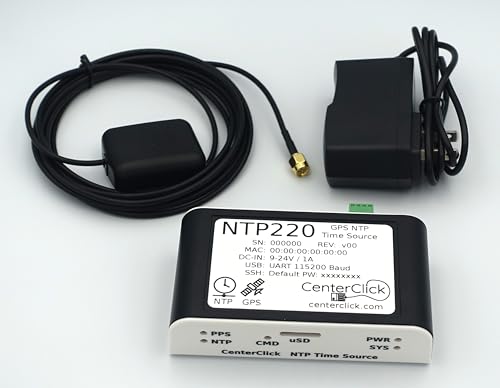
CenterClick NTP2xx Series GPS Based NTP Server Appliance (NTP220)
Stratum 1 NTP with GPS Source
As an affiliate, we earn on qualifying purchases.
As an affiliate, we earn on qualifying purchases.
Future of Leap Seconds and Earth’s Rotation Monitoring
It remains unclear how often future adjustments will be made or if the practice of adding leap seconds will be completely discontinued. The organizations have indicated ongoing monitoring of Earth’s rotation, but specific plans for subsequent adjustments have not been finalized.
Questions also remain about how this decision might influence international standards and whether other countries will adopt similar policies.

Dorhea 7PCS DS3231 Real Time Clock Module RTC Clock Memory Module 3.3V/5V for Raspberry Pi
The RTC clock module is of complete clock calendar functions include seconds, minutes, hours, day, date, month and…
As an affiliate, we earn on qualifying purchases.
As an affiliate, we earn on qualifying purchases.
Next Steps in Time Standard Reassessment
Organizations like the BIPM and ITU will continue to observe Earth’s rotational changes and reassess the need for future leap seconds. A formal review process is expected to occur before the next scheduled adjustment, possibly leading to a permanent change in how time is maintained.
Additionally, technology providers and infrastructure operators are advised to prepare for a future without leap second insertions and to adapt their systems accordingly.

CenterClick NTP2xx Series GPS Based NTP Server Appliance (NTP270)
Stratum 1 NTP with GPS Source
As an affiliate, we earn on qualifying purchases.
As an affiliate, we earn on qualifying purchases.
Key Questions
Why was the decision made to skip the 2026 leap second?
The decision was based on the desire to reduce disruptions to critical systems and the ongoing debate about the practicality of leap seconds, supported by scientific and technological communities.
Will leap seconds be permanently discontinued?
It is not yet confirmed if leap seconds will be permanently discontinued; the organizations will continue monitoring Earth’s rotation and reassess the need for future adjustments.
How will this affect systems that rely on precise time synchronization?
Systems like GPS, telecommunications, and financial networks may experience fewer disruptions, but they need to adapt to a continuous time scale without scheduled leap second insertions.
Could future changes reintroduce leap seconds?
Yes, future reassessments could lead to the reintroduction of leap seconds if Earth’s rotation changes significantly or if technological needs evolve.
What organizations are responsible for this decision?
The International Telecommunication Union (ITU) and the International Bureau of Weights and Measures (BIPM) are the primary organizations overseeing the decision and ongoing monitoring.
Source: hn