

This guide provides step-by-step instructions for selecting, preparing, and running science experiments with educational kits suitable for students. It is designed for teachers, parents, or guardians aiming to foster hands-on science learning safely and effectively. Expect to spend about 30 to 60 minutes completing the process, from setup to execution.

Prime made for students and young adults
- Fast, free delivery for dorm and study essentials
- Prime Video and Amazon Music included
- Member-only deals

STEM Electric Circuit Kits – 8 Experiments in 7 Sets for Students
- ✔ Number of Experiments: 8
- ✔ Number of Sets: 7
- ✔ Recommended Age: 8+
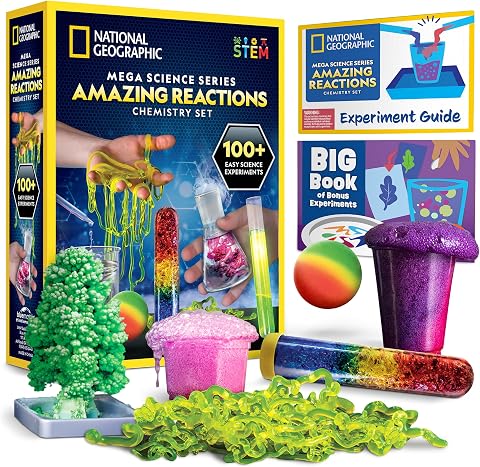
National Geographic Amazing Chemistry Set – Science Kit with 100+ Experiments for Kids
- ✔ Number of Experiments: 100+
- ✔ Includes: Test tubes, beakers, pipettes
- ✔ Bonus Experiments: 85
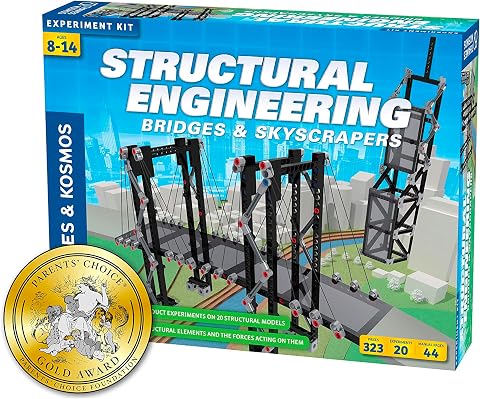
Thames & Kosmos Structural Engineering: Bridges & Skyscrapers Science & Engineering Kit
- ✔ Number of Models: 20
- ✔ Building Pieces: 285+
- ✔ Manual Pages: 36
Difficulty: Beginner | Time: 30-60 minutes
What You’ll Need
Tools & Materials:
- Basic safety gear (gloves, goggles)
- A clean workspace
- Access to water and electricity if needed
Knowledge:
- Basic understanding of scientific principles
- Ability to supervise children or students during experiments
Verify the age range and contents of the kit to match your students’ skill level. Read all safety instructions provided with the kit before starting.
STEM Electric Circuit Kits – 8 Experiments in 7 Sets for Students
<p>This kit stands out for providing a variety of electrical experiments, from simple series circuits to seawater power generation. Its detailed circuit diagram guide makes it accessible for children aged 8 and up, encouraging hands-on learning and critical thinking. Compared with more advanced kits, it focuses on fundamental electrical principles, making it ideal for beginners. However, it requires batteries purchased separately and may need adult supervision for some experiments. This pick makes the most sense for educators or parents seeking an engaging, beginner-friendly introduction to electrical science.</p>
Pros:
- Provides a variety of engaging electrical experiments
- Includes detailed, step-by-step circuit diagrams
- Encourages critical thinking and creativity
- Suitable for independent or guided learning
Cons:
- Batteries are not included, requiring additional purchase
- Some experiments may require adult supervision
- Limited to basic electrical concepts
Best for: Young students or beginners interested in electrical science
Not ideal for: Advanced learners or those seeking complex circuit design
Bottom line: A versatile, beginner-friendly kit that introduces electrical fundamentals with plenty of hands-on activities.
“A versatile, beginner-friendly kit that introduces electrical fundamentals with plenty of hands-on activities.”
National Geographic Amazing Chemistry Set – Science Kit with 100+ Experiments for Kids
<p>This chemistry set offers over 100 experiments, from bubbling solutions to glow-in-the-dark test tubes, making it ideal for young chemists eager to explore a broad range of scientific phenomena. The inclusion of real tools like test tubes, beakers, and pipettes enhances the hands-on experience. Its bonus guide with 85 additional household experiments expands learning beyond the kit. Compared to electrical kits, it provides more variety and sensory engagement, but some experiments may need adult supervision or extra household materials. It’s best suited for curious kids who want to experiment extensively and learn the scientific method.</p>
Pros:
- Over 100 engaging experiments for wide exploration
- Includes real scientific tools for authentic experiments
- Bonus guide with household experiments expands learning
- Award-winning product that fosters creativity
Cons:
- Requires adult supervision for some experiments
- Some experiments may need additional household materials
- Limited focus on electrical or engineering concepts
Best for: Kids with a strong interest in chemistry and hands-on experiments
Not ideal for: Children under 8 or those seeking a more structured or simplified experience
Bottom line: A comprehensive chemistry kit perfect for passionate young scientists wanting extensive, hands-on learning.
“A comprehensive chemistry kit perfect for passionate young scientists wanting extensive, hands-on learning.”
Thames & Kosmos Structural Engineering: Bridges & Skyscrapers Science & Engineering Kit
<p>This kit allows students to construct 20 models demonstrating core engineering concepts such as force, load, compression, and tension. With over 285 building pieces and a detailed 36-page manual, it caters to learners with some prior experience in building or engineering. Compared with electrical or chemistry kits, it offers a more complex, skill-based challenge that promotes critical thinking and problem-solving. However, it requires some prior building familiarity, and assembly can be time-consuming, making it less suitable for complete beginners or very young children. It’s the ideal choice for students interested in architecture and structural engineering at an intermediate level.</p>
Pros:
- Educational and engaging for intermediate learners
- Includes a large variety of building pieces
- Teaches fundamental engineering principles
- Awards and recognition for quality
Cons:
- Requires prior building experience
- Assembly may be time-consuming
- Less suitable for complete novices
Best for: Students with some building experience or engineering curiosity
Not ideal for: Complete beginners or younger children without prior building skills
Bottom line: A challenging, rewarding engineering kit perfect for students ready to deepen their understanding of structural concepts.
“A challenging, rewarding engineering kit perfect for students ready to deepen their understanding of structural concepts.”
As an Amazon Associate we earn from qualifying purchases.
Before You Start
Ensure the workspace is clean and well-ventilated. Gather all materials and tools listed in the kit. Review safety instructions. Make sure students understand safety protocols and the purpose of each experiment.
Step-by-Step Instructions
Step 1: Select appropriate science kits
Choose kits designed for the students’ age group and educational level, ensuring they align with your learning objectives. Check the kit contents for completeness and safety certifications.
Tip:Read reviews or educator recommendations to find kits with clear instructions and engaging experiments.
Check: You have a kit that is suitable for your students, complete, and safe to use.
Step 2: Review safety instructions and prepare workspace
Read all safety guidelines provided with the kit. Set up a clean, flat, and stable workspace. Lay out all materials and safety gear.
Tip:Ensure easy access to water, sinks, or fire extinguishers if required. Keep sharp or hazardous materials out of children’s reach.
Check: The workspace is prepared, and safety measures are in place, ready for experiment execution.
Step 3: Explain experiment goals and safety rules to students
Brief students on what the experiment aims to demonstrate. Review safety protocols, including handling chemicals or equipment properly.
Tip:Use simple language and demonstrations to ensure understanding. Emphasize the importance of following instructions precisely.
Check: Students understand the purpose and safety rules, ready to participate responsibly.
Step 4: Assemble and prepare experiment materials
Follow the kit instructions to gather and prepare all materials needed for the experiment. Measure or set up items as specified.
Tip:Double-check that all components are present and in working order before starting.
Check: All materials are prepared correctly, and the setup matches the experiment instructions.
Step 5: Conduct the experiment step-by-step
Guide students through each step of the experiment, ensuring they follow the instructions carefully. Supervise closely for safety and correctness.
Tip:Encourage students to observe and record their findings as the experiment progresses.
Check: The experiment is completed as per instructions, and observations are recorded accurately.
Step 6: Discuss results and clean up
Review the results with students, explaining scientific concepts demonstrated. Assist in cleaning up the workspace, disposing of materials safely.
Tip:Use this time to reinforce learning points and answer questions.
Check: Students understand the concepts demonstrated and cleanup is completed safely.
Common Mistakes to Avoid
- Using incomplete or damaged kits — Verify all contents before starting and inspect items for damage or missing parts.
- Not following safety protocols — Review safety instructions thoroughly and supervise students at all times during experiments.
- Skipping instructions or rushing — Follow the experiment steps carefully and allow sufficient time for each part of the activity.
- Poor cleanup or disposal practices — Follow disposal instructions and clean the workspace immediately after the experiment.
Troubleshooting
Problem: Experiment not producing expected results
Solution: Check each step for accuracy, verify all materials are correct and in proper condition, and review instructions.
Problem: Safety hazard or spill
Solution: Immediately contain and clean spills, remove students from danger, and review safety procedures before resuming.
Problem: Missing materials
Solution: Use alternative household items where possible or reschedule once the missing components are obtained.
What Success Looks Like
The experiment is completed correctly, with results matching expected outcomes, and students demonstrate understanding of the scientific principles involved. The workspace is cleaned, and safety protocols are followed.
Next Steps
Store any unused kit components properly for future use. Plan follow-up activities or experiments to reinforce learning. Review student observations and provide feedback.
Frequently Asked Questions
How do I choose the right science kit for my students?
Select kits based on age appropriateness, educational goals, safety certifications, and reviews from other educators or parents.
What safety precautions are essential during experiments?
Always supervise students, use safety gear, handle chemicals carefully, and ensure proper disposal of materials. Read all safety instructions thoroughly.
How can I modify experiments for different skill levels?
Adjust complexity by simplifying steps, providing additional guidance, or adding supplementary questions to deepen understanding.
Halloween Picks
halloween
As an affiliate, we earn on qualifying purchases.