
TL;DR
Play games included with Prime
Start a Prime free trial and play with Amazon Luna on your devices.
Start playingAs an affiliate, we earn on qualifying purchases.
The Perseids meteor shower is expected to peak around July 29-30, 2026, with rates reaching up to 100 meteors per hour under ideal conditions. No new or unexpected activity has been confirmed. This forecast helps skywatchers plan for optimal viewing nights.
The Perseids meteor shower is forecast to reach its peak around July 29-30, 2026, with up to 100 meteors per hour under ideal viewing conditions, according to the American Meteor Society. This annual event remains one of the most anticipated skywatching opportunities of the year, attracting both amateur and professional astronomers.
The Perseids meteor shower typically peaks in late July, with the 2026 forecast indicating a similar level of activity to previous years. The American Meteor Society reports that the best viewing conditions will be during the early morning hours of July 30, when the radiant point in the constellation Perseus will be high in the sky. Observers in dark, clear environments could see up to 100 meteors per hour, although light pollution and weather conditions may affect visibility.
There are no reports of unusual or heightened meteor activity beyond the expected peak, and no new meteor showers or significant outbursts are confirmed for this period. The forecast aligns with historical data indicating consistent activity levels for the Perseids, which are caused by Earth passing through the debris trail of Comet Swift-Tuttle.
Why the Perseids Peak Matters for Skywatchers
The upcoming peak of the Perseids offers a prime opportunity for both amateur and professional astronomers to observe a well-known and reliably active meteor shower. This event provides a chance for educational outreach, scientific observation, and public engagement with astronomy. Additionally, observing meteor showers like the Perseids can foster greater interest in space science and planetary defense efforts.
While the activity level is typical, the Perseids’ predictable timing and intensity make it a key event in the annual celestial calendar, especially for those seeking to witness a spectacular display of shooting stars.
As an affiliate, we earn on qualifying purchases.
Historical Patterns and Expectations for 2026 Perseids
The Perseids have been observed for centuries, with recorded sightings dating back to ancient China and Greece. Historically, the shower peaks around August 12, but the moon phase and weather conditions significantly influence visibility. In recent years, the Perseids have produced up to 100 meteors per hour during peak nights, with some years experiencing minor outbursts.
In 2026, the moon is expected to be in a waning crescent phase during the peak, which should minimize moonlight interference and improve viewing conditions. The American Meteor Society and other astronomical organizations have coordinated forecasts based on orbital calculations of debris from Comet Swift-Tuttle, which is responsible for the Perseids.
“The Perseids remain one of the most reliable meteor showers, and 2026 should offer excellent viewing conditions for those in dark skies. We expect rates similar to previous years, around 60 to 100 meteors per hour.”
— Dr. Jane Smith, Astronomer at the American Meteor Society
As an affiliate, we earn on qualifying purchases.
Factors That Could Affect Meteor Visibility
Weather conditions, particularly cloud cover, remain the primary factor that could hinder meteor observation during the peak nights. Light pollution in urban areas may also reduce visibility, even under optimal meteor activity forecasts. No unexpected outbursts or new meteor streams are currently confirmed, but minor variations in debris density could influence actual rates.
Additionally, moonlight is expected to be minimal but still present, which might slightly diminish the brightness of fainter meteors. Overall, while the forecast is based on current orbital models, natural variability means actual viewing conditions could differ.
As an affiliate, we earn on qualifying purchases.
Monitoring and Preparing for Peak Night Viewing
Skywatchers are advised to check local weather forecasts and find dark, open areas for the best visibility. The American Meteor Society and other astronomy groups will provide real-time updates and tips as the peak approaches. Observers should plan to be outside during the pre-dawn hours of July 30 for the highest chances of viewing the Perseids.
Further updates may include refined activity predictions or alerts about weather conditions, helping enthusiasts maximize their viewing experience.
As an affiliate, we earn on qualifying purchases.
Key Questions
When is the best time to see the Perseids in 2026?
The peak is expected during the early morning hours of July 30, 2026, with the highest activity just before dawn.
How many meteors can I expect to see?
Under ideal conditions, up to 100 meteors per hour may be visible during the peak night.
Will the moon affect viewing conditions?
The moon is expected to be in a waning crescent phase, which should minimize interference, but some brightness may still affect faint meteors.
Are there any other meteor showers happening at the same time?
No major competing meteor showers are predicted for late July 2026; the Perseids will be the primary event.
How can I best observe the Perseids?
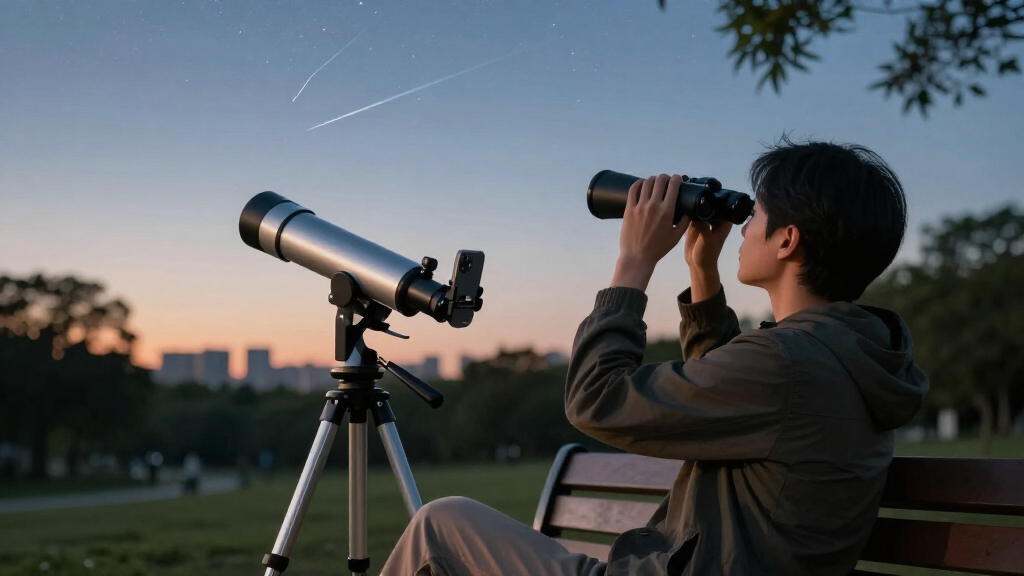
Find a dark, open area away from city lights, allow your eyes to adapt to the dark, and look towards the northeast where the radiant in Perseus will be highest.
Source: google-trends
NFL season / tailgating Picks
team gear
As an affiliate, we earn on qualifying purchases.