
TL;DR

Prime made for students and young adults
- Fast, free delivery for dorm and study essentials
- Prime Video and Amazon Music included
- Member-only deals
Educational science kits for kids turn learning into hands-on fun, fostering curiosity and STEM skills. Modern kits are safer, more interactive, and environmentally friendly, making them ideal for home and classroom use.
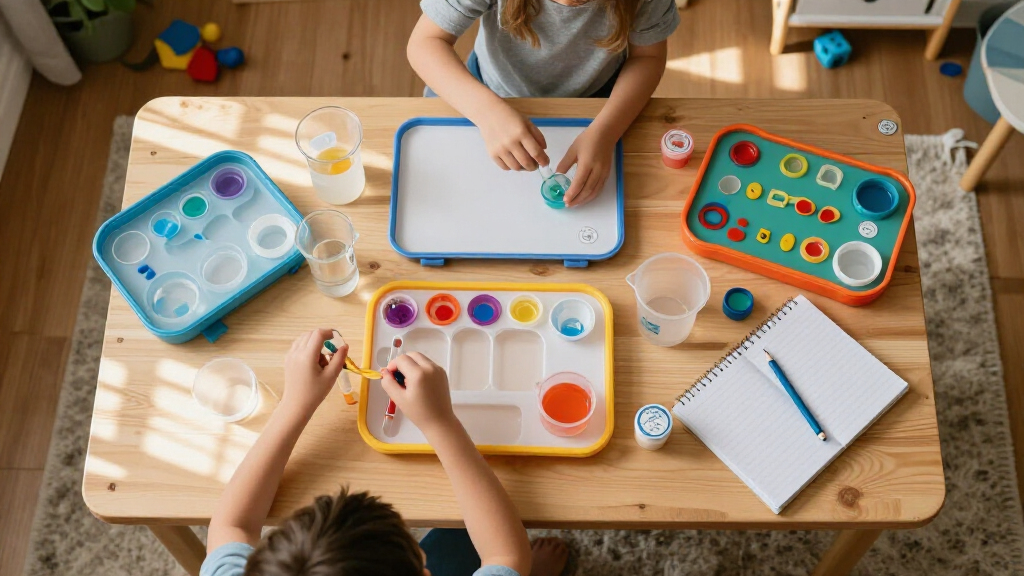
Imagine your child unboxing a colorful set of test tubes, tiny robots, or glowing crystals. That moment of wonder sparks a lifelong love for science. Educational science kits for kids aren’t just toys— they’re tools that turn abstract ideas into tangible, exciting experiences.
Whether you’re a parent seeking to supplement homework or a teacher wanting to boost engagement, these kits help children explore chemistry, biology, physics, and engineering through real experiments. But not all kits are created equal. Choosing one that’s safe, age-appropriate, and packed with meaningful learning is key. This guide will show you what to look for, recent trends, and how to pick the perfect set for your young scientist.
Choose kits with clear instructions, safety certifications, and age-appropriate activities to maximize learning and safety.
Stay updated on tech innovations like AR and app integration that make experiments more interactive and engaging.
Compare kits based on age, interests, and budget—use tables or checklists to simplify the decision process.
Pick a kit that can grow with your child—expandable, modular options keep curiosity alive over time.
Focus on kits that promote independent problem-solving and curiosity, fostering a lifelong love of science.
What Makes a Science Kit Really Good? The 7 Must-Have Features
When you’re shopping for a science kit, focus on these seven features to ensure it’s worth your investment.
- Age Compatibility: The right activities match your child’s age, safety, and skill level. A 4-year-old’s kit looks very different from a 12-year-old’s.
- Clear Instructions & Learning Goals: A good kit doesn’t just have parts; it guides your child through experiments with explanations that make sense.
- Safety Standards: Non-toxic, sturdy, and well-tested materials matter. Check for safety certifications.
- Diverse Topics: Chemistry, physics, biology, robotics—variety keeps curiosity alive.
- Engagement & Interactivity: Bright colors, hands-on activities, maybe even some sounds or lights—anything that makes experiments lively.
- Quality & Durability: Strong plastics, precise components, and reusable parts save money and frustration.
- Extra Resources: Videos, digital guides, or online communities help deepen understanding and keep kids excited.
For example, the National Geographic Kids Science Kit combines simple instructions with engaging visuals, making learning feel like an adventure.
As an affiliate, we earn on qualifying purchases.
How Modern Tech Is Making Science Kits More Exciting Than Ever
Today’s science kits aren’t just about mixing chemicals or assembling models—they’re about digital magic, too. Augmented reality (AR) apps overlay animations and explanations right onto the real-world experiments, turning a simple test tube into a portal to a virtual universe.
Many brands now include smart components that connect to apps, providing real-time feedback or guiding steps. For instance, a robotics kit might have sensors that respond to your child’s commands, making the experience interactive and dynamic.
Eco-friendly materials are also on the rise. Recyclable plastics, biodegradable components, and sustainable packaging reduce environmental impact. Subscription models keep kids engaged with new experiments monthly, keeping curiosity alive without needing to buy new kits constantly.
Plus, inclusive design ensures children with disabilities can enjoy science, whether through tactile components, visual aids, or adjustable difficulty levels. These innovations make science kits more accessible, engaging, and aligned with today’s tech-savvy world.
As an affiliate, we earn on qualifying purchases.
Compare Popular Science Kits — Which One Fits Your Kid Best?
| Kit Name | Age Range | Topics Covered | Price Range | Special Features |
|---|---|---|---|---|
| National Geographic Kids Science Kit | 5-10 years | Chemistry, biology, physics | $20-$30 | Bright visuals, simple experiments, durable parts |
| Thames & Kosmos Chemistry Set | 10-14 years | Chemistry, chemical reactions | $50-$80 | Real lab equipment, safety gear, detailed guides |
| littleBits Electronics Kit | 8-14 years | Electronics, engineering, robotics | $70-$100 | Modular, expandable, app-assisted |
| Learning Resources STEM Kit | 6-12 years | Engineering, physics, environmental science | $30-$60 | Project-based, inclusive design, eco-friendly materials |
Choosing the right kit depends on your child’s age, interests, and your budget. For younger kids, colorful, simple kits like National Geographic’s offer a gentle intro. For older kids craving real lab gear or electronics, Thames & Kosmos or littleBits deliver depth and challenge.
children's chemistry and biology kits
As an affiliate, we earn on qualifying purchases.
As an affiliate, we earn on qualifying purchases.
Simple Steps to Pick the Perfect Science Kit for Your Child
- Assess Age & Skills: Match the kit’s recommended age with your child’s current abilities and curiosity level.
- Identify Interests: Is your kid fascinated by chemistry, robotics, or the environment? Pick a topic that excites them.
- Check Safety & Quality: Verify safety standards, non-toxic materials, and durable construction.
- Review Extra Features: Does it include digital guides, videos, or community support? These can deepen engagement.
- Set a Budget & Expandability: Decide how much to spend and whether you want a kit that grows with your child or can be expanded later.
For example, if your 8-year-old loves building, a beginner robotics kit with app support might be perfect. Start small, then add modules or new experiments as they grow more confident.
interactive science kits with app integration
As an affiliate, we earn on qualifying purchases.
As an affiliate, we earn on qualifying purchases.
Why Your Kid Will Love a Science Kit (And What You’ll Love About It Too)
Hands-on experiments turn abstract ideas into exciting, tactile experiences. Imagine your child’s face lighting up when a chemical reaction causes a color change or when a tiny robot moves for the first time. These moments create lasting mental images that help children internalize scientific concepts more effectively. Unlike passive learning from books or videos, hands-on experiments require active engagement, which enhances understanding and retention. Moreover, the process of conducting experiments teaches patience, precision, and problem-solving—skills that are valuable beyond science. While some experiments might require supervision or safety precautions, these moments offer opportunities to teach responsibility and safety in a real-world context. Ultimately, the joy and curiosity sparked by these kits foster a mindset of exploration that can last a lifetime, encouraging children to ask questions and seek answers independently.
Beyond the immediate fun, science kits develop critical skills such as perseverance when troubleshooting, fine motor skills through precise measurements, and teamwork if shared with friends or family. These experiences help children see science as accessible and exciting rather than intimidating, which can influence their educational choices and career interests later on.
As a parent or teacher, you’ll find that these kits not only entertain but also empower children to become confident learners. When they understand how a circuit works or why a crystal forms, they gain a sense of mastery that fuels ongoing curiosity and academic confidence.
The One Big Tip for Choosing a Science Kit That Lasts
The secret to a great science kit isn’t just the experiments it offers. It’s how well it matches your child’s interests and how safe and durable it is. Investing in a kit with high-quality materials ensures that the components withstand repeated use, which is crucial for maintaining engagement over time. Reusable, sturdy parts prevent frustration and additional costs from replacements, making the experience more satisfying and economical. An ideal kit also aligns with your child’s evolving curiosity—offering expansion options or additional experiments that can be added later. This adaptability keeps the learning process fresh and challenging, preventing boredom and encouraging continued exploration. Balancing initial quality with future growth potential ensures that your investment remains valuable for years, fostering a sustained interest in science and discovery. Remember, a well-chosen kit that can grow with your child’s skills and curiosity will nurture their love for science far beyond the initial purchase.
Ask yourself: Will my child stay engaged over time? Does it challenge them without frustrating? If yes, you’ve found a winner. Consider kits that can be expanded or complemented with additional experiments or accessories for ongoing fun.
Frequently Asked Questions
Are science kits safe for young children?
Reputable science kits follow strict safety standards, use non-toxic materials, and are designed for specific age groups. Always supervise young children during experiments and read safety instructions carefully.
What topics do science kits usually cover?
They span a wide range—from chemistry and physics to biology, environmental science, and robotics. Many kits focus on hands-on projects that demonstrate core scientific principles in fun ways.
How can I tell if a kit will keep my child interested long-term?
Look for kits with expandable features, multiple experiments, or digital components. Kits that align with your child’s current interests and can grow with them tend to sustain curiosity longer.
Are eco-friendly options available?
Yes, more brands now offer environmentally conscious kits with recyclable, biodegradable, or sustainably sourced materials. Check product labels and brand commitments for eco-friendly choices.
Conclusion
Investing in a quality science kit means opening a door to wonder and discovery for your child. It’s not just about the experiments—it’s about nurturing curiosity, confidence, and critical thinking. A well-chosen kit transforms learning from a chore into an adventure.
Think of it as planting a seed—your child’s interest in science grows stronger with each hands-on experiment. So, pick carefully, and let their journey into the world of discovery begin with a single, exciting step.
Halloween Picks
halloween
As an affiliate, we earn on qualifying purchases.