

When you face fear, your brain activates the fight-or-flight response almost instantly, causing your thinking to shrink quickly. This response narrows your focus, clouds your judgment, and makes even simple decisions feel overwhelming. Fear also triggers brain fog, leading to hesitation and mental shutdown, which can cause decision paralysis. Your environment and physiological state can worsen this effect, making your thoughts feel hazy and disorganized. Keep exploring to discover how to regain clarity faster.

Get school and study supplies delivered free — and shop member deals
- Fast, free delivery on millions of items
- Access to Prime Big Deal Days deals on October 6–7
- Prime Video, Amazon Music and more included
Key Takeaways
- Fear activates the brain’s stress response, rapidly reducing cognitive resources and clouding judgment.
- It triggers mental fog, impairing clarity and making decision-making feel overwhelming and slow.
- The emotional intensity of fear causes hesitation, leading to decision paralysis and mental shutdown.
- Physiological responses like rapid breathing and poor air quality further decrease brain efficiency.
- Recognizing fear signals allows quick interventions, preventing rapid cognitive decline.
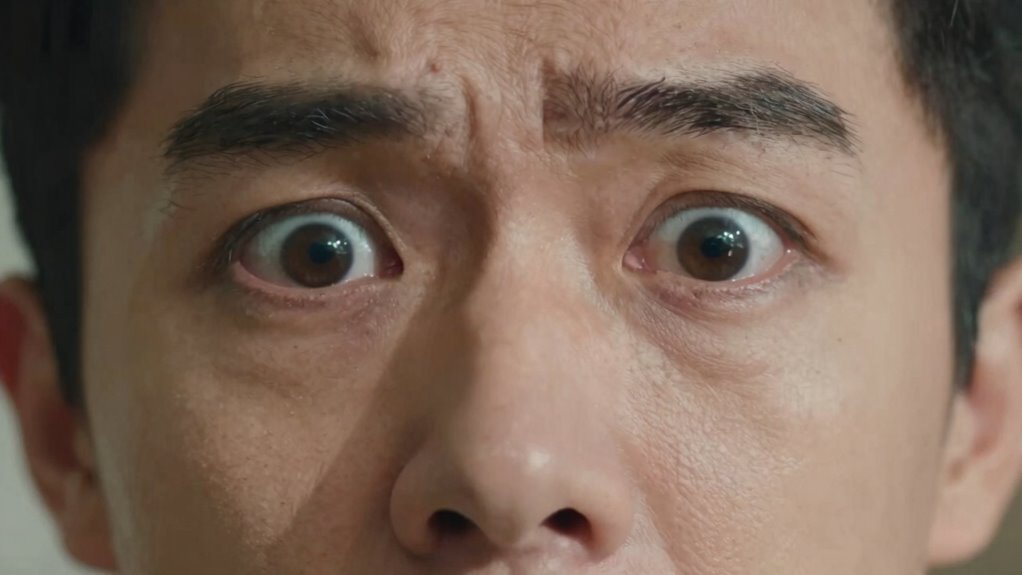
Fear can hit you so quickly that you might not notice how it starts shrinking your thinking. One moment, you’re confident, making decisions with clarity; the next, your mind feels clouded and overwhelmed. That’s because fear triggers a cascade of reactions in your brain, often leading to brain fog—a state where your thoughts become hazy and disorganized. When that fog settles in, your ability to process information diminishes, and simple choices suddenly feel monumental. You might find yourself second-guessing every decision, caught in a spiral of doubt and confusion. This mental haze isn’t just an inconvenience—it’s a sign that your brain is struggling to function at its best under the weight of fear.
As fear intensifies, it can cause decision paralysis, where you become unable to act or choose. Instead of weighing options calmly, you feel stuck, frozen by the overwhelming sense that whatever you decide might be wrong. This paralysis isn’t a sign of weakness; it’s your brain’s way of protecting you from perceived danger. But in reality, it often prevents you from taking the necessary steps to move forward. The more you hesitate, the more your mind tightens, making it even harder to break free from the cycle. The fear-driven inability to decide feeds into your sense of helplessness, creating a feedback loop that shrinks your confidence and clarity. Recognizing how brain chemistry influences this process can help you better manage your reactions.
Understanding that fear can cloud your mind and cause decision paralysis is the first step toward regaining control. Recognize the signs—brain fog, hesitation, mental shutdown—and remind yourself that these reactions are temporary. By consciously slowing down, taking deep breaths, and grounding yourself, you can help clear the fog and prevent your thinking from shrinking further. Additionally, indoor air quality influences your overall cognitive function, and ensuring good ventilation can help keep your mind clear and focused. When your environment supports mental clarity, it becomes easier to resist the fear response and maintain your composure. Moreover, maintaining good air quality can reduce stress levels, which directly impacts your brain’s ability to function optimally. Fear may come fast, but your response can be swift and deliberate, pulling your mind out of paralysis and back into clarity.
air purifier for indoor air quality
As an affiliate, we earn on qualifying purchases.
As an affiliate, we earn on qualifying purchases.
Frequently Asked Questions
Can Fear Be Completely Eliminated From the Brain?
Fear can’t be completely eliminated from your brain, but you can manage it through emotional resilience and cognitive flexibility. By practicing mindfulness and challenging fearful thoughts, you train your brain to respond differently. Over time, you’ll develop a stronger ability to handle fear without it overwhelming you. While some fear is natural, building these skills helps you keep a clear, flexible mind, even in stressful situations.
How Quickly Does Fear Impact Decision-Making?
Fear impacts your decision-making almost instantly, often within milliseconds. It triggers emotional regulation responses that flood your brain with stress hormones, which can impair your cognitive resilience. This quick reaction narrows your focus, limits your ability to think clearly, and can lead to impulsive choices. Recognizing this rapid influence helps you develop better emotional regulation strategies, so you can maintain clearer judgment even when fear tries to dominate your thinking.
Does Fear Affect Everyone’s Thinking Equally?
Fear doesn’t affect everyone equally; it’s like a dimmer switch, not an on/off button. Your emotional resilience and cognitive flexibility determine how you respond. For example, a person with strong resilience stays adaptable under pressure, while others freeze up. Studies show individual differences influence fear’s impact, meaning some can think clearly despite anxiety. You can strengthen these traits, helping you maintain sharper thinking even when fear tries to take control.
Can Fear-Induced Thinking Be Reversed?
Yes, fear-induced thinking can be reversed. You can regain clarity by building emotional resilience and practicing mindfulness techniques. When you recognize fear’s grip, pause and breathe deeply, grounding yourself in the present moment. Over time, these methods strengthen your ability to manage fear, allowing your thinking to expand rather than shrink. Consistent effort helps you regain control, promoting healthier, more rational responses even in stressful situations.
Are There Long-Term Effects of Chronic Fear on Cognition?
Chronic fear can leave lasting marks on your mind, like wear on a well-used path. It diminishes your emotional resilience and hampers cognitive flexibility, making it harder to adapt and think clearly over time. These long-term effects can trap you in a cycle of anxiety, reducing your ability to handle stress. To break free, you need to rebuild your mental strength and nurture emotional resilience through mindfulness and positive experiences.
stress relief breathing exercises
As an affiliate, we earn on qualifying purchases.
As an affiliate, we earn on qualifying purchases.
Conclusion
Think of your mind as a lush garden. When fear takes hold, it’s like a sudden frost—freezing your thoughts and choking out your creativity. Before you know it, the vibrant blooms of ideas wither away, leaving only dull, gray patches. But remember, you hold the watering can. By confronting fear, you thaw the frost, allowing your thoughts to flourish again. Don’t let fear turn your mind into a barren field—nurture it back to life.
As an affiliate, we earn on qualifying purchases.
As an affiliate, we earn on qualifying purchases.
Halloween Picks
halloween
As an affiliate, we earn on qualifying purchases.