

The “Enough Information” Rule helps you avoid analysis paralysis by encouraging you to gather just enough data to make confident decisions. Instead of endlessly collecting details, focus on practicality and set clear boundaries for what you need. Accept that some uncertainty is inevitable, and trust your judgment when key information is available. By prioritizing quality over quantity, you’ll make smarter choices faster. Keep exploring to discover how this rule can transform your decision-making process even further.
Key Takeaways
- Focus on gathering only the essential data needed to make a confident decision, rather than striving for perfection.
- Set clear boundaries for data collection to prevent endless analysis and overload.
- Accept inherent uncertainty and rely on sufficiency rather than complete information.
- Use judgment to identify critical data points that will influence the outcome.
- Recognize when additional data won’t change the decision, and move forward confidently.

Have you ever found yourself overwhelmed by too much information, unsure of what’s truly necessary? It’s a common feeling, especially when faced with complex decisions or an overload of data. The problem isn’t just the volume of information but the fear that you might be missing out on something vital. This is where the “enough information” rule comes in—it’s a simple yet powerful approach that helps you cut through the noise and move forward with confidence. Instead of endlessly searching for perfect data, you focus on achieving a level of data sufficiency that supports your decision-making without paralyzing you with doubt. This approach boosts your decision confidence because you trust that you have enough relevant information to make a sound choice, even if it’s not exhaustive.
The key is recognizing that no amount of data will ever be completely complete. There’s always a risk of missing some detail, but the goal isn’t perfection—it’s practicality. When you adopt the “enough information” rule, you set clear boundaries for yourself. You ask, “What data do I need to make this decision?” and then determine when you’ve gathered enough. This prevents the endless cycle of analysis, where you keep collecting data in hopes of uncovering everything. Instead, you focus on data sufficiency—enough to understand the main factors and make a confident choice. Recognizing the inherent uncertainty in data helps you accept that perfection isn’t always attainable. Additionally, understanding that information overload can hinder decision-making allows you to be more selective about what you consider essential. Being aware of digital tools and their role in managing data can further streamline your process, ensuring you gather just what’s necessary.
Informed decision-making involves understanding that decision-making often involves balancing multiple factors, which is why setting limits on data collection is crucial. You can also leverage automated grammar correction tools to help ensure your writing remains clear and concise, reducing the risk of miscommunication caused by overly complex or passive constructions. This practice not only improves your writing but also supports your overall decision process by making your thoughts more accessible. You’ll find that applying this rule helps you prioritize quality over quantity. Instead of feeling overwhelmed by countless sources or endless details, you filter out what’s irrelevant or redundant. You trust your judgment to identify the critical pieces of data that will influence your decision most. Once you’ve reached a point where additional information won’t substantially alter your understanding or outcome, you stop collecting data and move forward. This practice doesn’t mean ignoring important details; it simply means knowing when enough has been gathered to proceed with confidence. Over time, this builds your decision confidence because you learn to rely on your ability to determine data sufficiency, rather than getting stuck in perpetual analysis. Ultimately, the “enough information” rule helps you make smarter, quicker decisions, freeing you from the trap of overthinking and analysis paralysis.

The Five-Tool Team: Bringing Out the Best in People to Make Better Decisions
As an affiliate, we earn on qualifying purchases.
As an affiliate, we earn on qualifying purchases.
Frequently Asked Questions
How Do I Determine What Counts as “Enough” Information?
You determine what counts as “enough” information by setting clear decision thresholds to avoid information overload. Ask yourself if the additional data will considerably improve your decision or just delay it. If the info helps you confidently evaluate options without causing analysis paralysis, it’s enough. Trust your intuition and experience to recognize when you’ve reached that point, rather than obsessing over gathering every possible detail.
Can the Rule Be Applied to Urgent Decisions?
Ever notice how sometimes urgent decisions feel like a coin flip? That’s where the “Enough Information” rule can help. When facing urgency, you do a quick risk assessment—identify the potential consequences—and find a balance between acting fast and gathering enough info. It’s not about perfection but about making a timely decision with sufficient understanding to avoid paralysis and minimize risks effectively, even under pressure.
What Are Common Pitfalls When Using This Rule?
When using this rule, watch out for common pitfalls like relying too heavily on heuristic shortcuts, which can lead to oversimplified decisions. Cognitive biases, like confirmation bias or overconfidence, may also distort your judgment, making you overlook important details. You might prematurely stop gathering information, thinking you have enough, but actually miss essential nuances. Staying aware of these pitfalls helps guarantee your decisions remain balanced and well-informed, even with limited data.
How Does This Rule Compare to Traditional Decision-Making Methods?
You’ll find the “Enough Information” rule faster, fresher, and more flexible than traditional decision-making methods. It prioritizes heuristic efficiency, helping you avoid information overload while making swift, sound choices. Unlike exhaustive analysis, this rule trims tedious tangles of details, saving time and mental energy. It’s a practical, proactive approach that empowers you to decide confidently without drowning in data, making decisions more direct and less intimidating.
Is There a Risk of Missing Critical Details With This Approach?
Yes, there’s a risk of missing vital details with this approach, especially if you’re overconfident in your judgment. Overconfidence bias may cause you to overlook important information, while information overload can lead to missing key details amid too much data. To avoid this, stay cautious, verify essential points, and trust your intuition without becoming complacent. Balance is key to making sound decisions efficiently.
minimal data decision support tools
As an affiliate, we earn on qualifying purchases.
As an affiliate, we earn on qualifying purchases.
Conclusion
Remember, waiting for perfect information can stall your decisions—studies show that over 70% of professionals delay vital choices due to analysis paralysis. Instead, apply the “Enough Information” rule: gather enough facts to make confident decisions and then act. By doing so, you avoid endless overthinking and keep moving forward. Trust your judgment, embrace imperfection, and realize that often, “good enough” truly is enough to succeed.

Automated Data Analysis Tool Using Python: Streamlining Insights: An Automated Data Analysis Tool Using Python
As an affiliate, we earn on qualifying purchases.
As an affiliate, we earn on qualifying purchases.
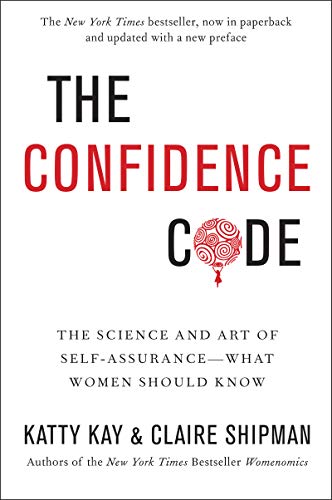
The Confidence Code: A Scientific Guide to finding Trust in Your Decision Making
As an affiliate, we earn on qualifying purchases.
As an affiliate, we earn on qualifying purchases.