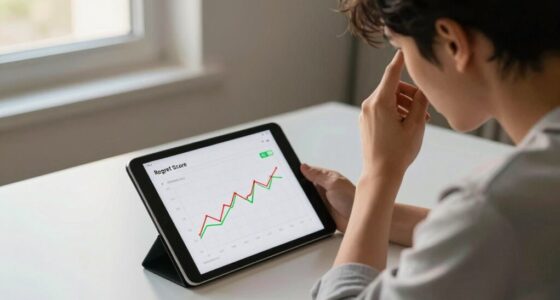

Deciding whether to buy now or wait depends on understanding market cycles. During economic downturns, prices often drop, and favorable financing options become available, making it a good time to purchase. However, if you’re financially ready, waiting for the right market conditions can save you money. Balancing market trends with your personal finances is key. To maximize value, it’s helpful to explore this strategic approach further, which you’ll discover if you keep exploring.
Key Takeaways
- Assess the current phase of the market cycle to determine if prices are likely to rise or fall soon.
- Ensure your personal financial stability and readiness align with market conditions before making a big purchase.
- Consider economic indicators and industry trends to identify optimal timing for better prices and financing options.
- Recognize that market dips often offer better deals, but only buy when financially prepared and comfortable.
- Balance market timing insights with personal goals to make strategic, confident decisions on big purchases.

Making big purchases can feel overwhelming, but having a clear timing framework can help you make smarter decisions. When you’re contemplating a significant expense, understanding the right moment to buy can save you money and stress. One of the most useful tools in your decision-making arsenal is understanding market cycles. Markets tend to move in predictable patterns—expansion, peak, recession, and recovery—which influence prices and financing options. Recognizing these cycles allows you to anticipate when prices might drop or rise, helping you decide whether to buy now or wait.
Understanding market cycles helps you time big purchases for better prices and financing options.
For instance, during an economic expansion, prices generally climb as demand increases. If you’re eyeing a major purchase during this time, you might face higher costs. Conversely, in a recession or downturn, prices often decrease, providing an opportunity to buy at a lower point. But market cycles aren’t always perfectly predictable, so it’s vital to combine this knowledge with other factors, like your personal financial situation. If you’re prepared to purchase during a downturn, you could benefit from lower prices and better financing options, such as lower interest rates or more flexible loan terms. Lenders tend to be more willing to offer favorable terms when the economy is struggling, which can make your big purchase more affordable.
However, timing the market isn’t just about waiting for the lowest prices; it’s about balancing market trends with your financial readiness. Sometimes, waiting for the right cycle can align with your ability to secure better financing options, such as reduced interest rates or longer repayment periods. It’s also wise to take into account how market cycles affect your confidence and patience. If waiting might mean missing out on a needed purchase, you should weigh the potential savings against your urgency and comfort level.
Additionally, keeping an eye on industry-specific market cycles can give you an edge. For example, in real estate, prices tend to fluctuate based on local economic conditions, interest rates, and seasonal factors. Recognizing these subtle shifts can help you time your purchase to coincide with a market dip, maximizing value and minimizing costs. Understanding market cycles and how they influence pricing can improve your overall purchasing strategy. The key is staying informed—monitor economic indicators, housing market trends, and lender offers—and being ready to act when conditions are most advantageous.
Ultimately, using a timing framework means being strategic rather than impulsive. By understanding market cycles and exploring your financing options, you position yourself to make big purchases at the right time. This approach doesn’t guarantee perfect timing every time, but it certainly improves your chances of getting the best deal while aligning your purchase with your financial goals.
Frequently Asked Questions
How Do Market Trends Influence Big Purchase Decisions?
Market trends greatly influence your big purchase decisions. When market volatility is high, prices can fluctuate unexpectedly, making you cautious about buying now. Conversely, strong consumer confidence signals stability, encouraging you to proceed with your purchase. By monitoring these trends, you can better time your big investments, avoiding potential losses during downturns and capitalizing on favorable conditions when confidence and stability are high.
What Emotional Factors Impact the Timing of Large Buys?
Your emotional triggers, like excitement or fear, heavily influence when you decide to make a big purchase. Decision anxiety can cause hesitation, making you delay or rush your buy. Feeling confident and excited boosts your likelihood to act promptly, while worry or insecurity may lead to second-guessing or postponing. Recognizing these emotional factors helps you better understand your timing, allowing you to make more balanced, confident decisions.
How Can I Evaluate My Financial Readiness for a Big Purchase?
You can evaluate your financial readiness by conducting a thorough financial assessment, reviewing your income, savings, and debt levels. Consider your risk tolerance—how comfortable are you with potential financial setbacks? Make certain you have an emergency fund covering three to six months of expenses and avoid compromising your financial stability. This approach helps you confidently determine if you’re prepared for a big purchase without risking your financial health.
Are There Specific Seasons Better for Certain Big Purchases?
Think of seasonal discounts and holiday sales as hidden treasure chests waiting to be opened; certain times of the year are better for big purchases. You’ll often find the best deals during end-of-season sales, Black Friday, or holiday seasons when retailers slash prices to clear stock. Planning your big buy around these periods can save you money, making your purchase feel like striking gold when the timing is just right.
How Does Economic Stability Affect Timing Decisions?
Economic stability influences your timing decisions by making interest rate fluctuations more predictable, so you can better gauge financing costs. When the economy is stable, government policies tend to remain steady, reducing uncertainty and making it easier to decide whether to buy now or wait. During unstable times, interest rates may rise or fall unexpectedly, so you might want to wait for a more favorable environment before making a big purchase.
Conclusion
So, when it comes to big purchases, you hold the power to turn the tide of your financial destiny! With this timing framework, you can dodge the worst price storms and land the deal of your dreams. Imagine saving enough to buy a small island or retire early—just by waiting for the perfect moment! Don’t rush blindly; master the timing, and transform your big purchase into your life’s greatest win. The power is in your hands!