
TL;DR

Prime made for students and young adults
- Fast, free delivery for dorm and study essentials
- Prime Video and Amazon Music included
- Member-only deals
Individuals can now sequence their own DNA at home using commercially available kits and portable sequencing devices. This development makes genetic analysis more accessible but raises questions about accuracy and regulation.
Individuals are now able to sequence their own DNA at home using commercially available kits and portable sequencing devices, according to recent reports. This shift toward DIY genomics makes personal genetic analysis more accessible but also raises questions about accuracy, regulation, and data privacy.
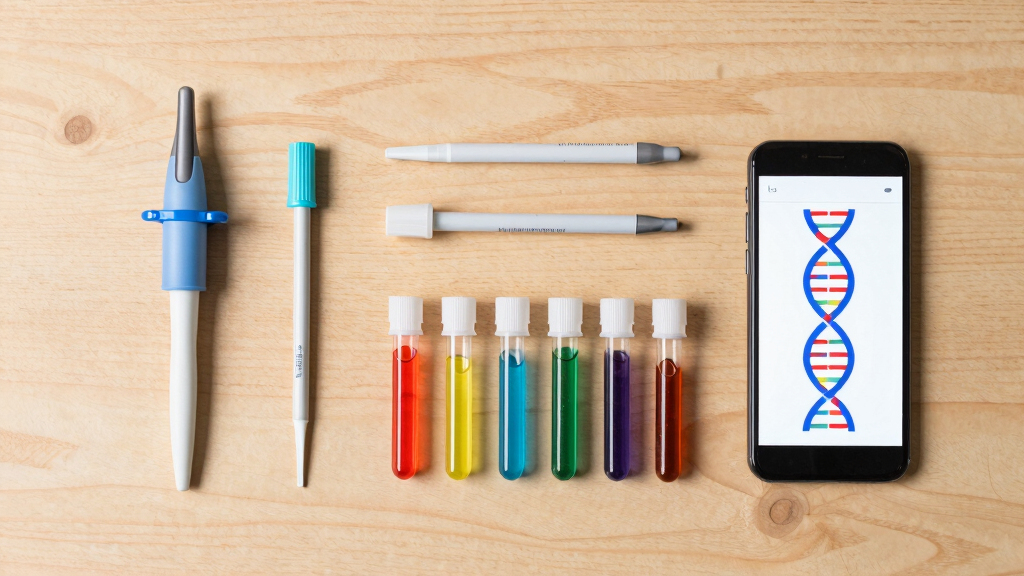
Recent advancements in biotechnology have led to the availability of affordable DNA sequencing kits designed for consumer use. Companies such as Oxford Nanopore and Illumina have introduced portable devices like the MinION and iSeq, which enable users to perform genetic analysis outside traditional labs. These devices connect to personal computers or smartphones and can generate sequence data from biological samples, such as saliva or cheek swabs.
Experts confirm that while these kits and devices are technically capable of sequencing DNA at home, the accuracy and reliability of the results can vary. The process typically involves collecting a biological sample, preparing it with specialized reagents, and running it through the device, which then produces raw genetic data. Users can analyze this data with software tools, some of which are open-source or commercially available.
However, the field is still evolving, and regulatory agencies like the FDA have not fully established guidelines for consumer-performed sequencing. There are also concerns about data privacy, interpretation of results, and potential misuse of genetic information. Despite these issues, the technology’s accessibility continues to grow, enabling enthusiasts and researchers to explore personal genomics without professional lab support.
Implications of DIY DNA Sequencing for Personal and Public Health
This development democratizes genetic information, allowing individuals to explore their ancestry, health risks, and genetic traits without visiting a laboratory. It could accelerate citizen science and personalized medicine but also introduces risks related to misinterpretation, data security, and unregulated testing. The ability to sequence DNA at home could influence future healthcare models, emphasizing the importance of regulation and education in this emerging space.
As an affiliate, we earn on qualifying purchases.
Evolution of Personal Genomics and Consumer DNA Testing
The concept of personal DNA sequencing has evolved over the past decade, with companies like 23andMe and Ancestry offering genetic testing kits for ancestry and health traits. These services initially relied on sending samples to centralized labs. Recently, technological advances have led to portable sequencing devices that individuals can operate themselves. This shift reflects a broader trend toward decentralizing genomics and increasing public engagement with personal health data.
While professional labs maintain high standards for accuracy, consumer-grade devices are still being refined. Regulatory oversight varies by country, and the scientific community continues to debate the implications of widespread, unsupervised genetic testing. Still, the trend toward DIY sequencing is gaining momentum, driven by technological affordability and user interest.
“Portable DNA sequencing devices are becoming more user-friendly and affordable, opening new possibilities for personal genomics.”
— Dr. Emily Carter, geneticist
As an affiliate, we earn on qualifying purchases.
Accuracy, Regulation, and Ethical Concerns in DIY Sequencing
It is still unclear how accurate consumer sequencing devices are compared to professional labs, and regulatory agencies have yet to establish comprehensive guidelines for home-based DNA analysis. Data privacy and ethical issues related to personal genetic information remain significant concerns, with ongoing debates about potential misuse or misinterpretation of results.
As an affiliate, we earn on qualifying purchases.
Emerging Standards and Public Education in Personal Genomics
Experts anticipate that regulatory frameworks will evolve to address consumer DNA sequencing, possibly leading to standardized quality controls. Increased public education about genetics and data privacy is expected to accompany wider adoption. Advances in technology may also improve accuracy and ease of use, making DIY sequencing more reliable and widespread in the coming years.
As an affiliate, we earn on qualifying purchases.
Key Questions
Can I sequence my own DNA at home today?
Yes, several commercial kits and portable sequencing devices are available for consumers, allowing you to perform DNA analysis outside traditional labs.
How accurate are DIY DNA sequencing devices?
While capable of generating genetic data, the accuracy of consumer devices varies and may not match professional laboratory standards. Interpretation of results should be approached cautiously.
Are there privacy risks with home DNA sequencing?
Yes, sharing genetic data with commercial providers or storing it on personal devices can pose privacy risks. Users should be aware of data security and consent issues.
Is DIY DNA sequencing regulated?
Regulation is still evolving; agencies like the FDA have not yet established comprehensive rules for consumer-performed sequencing, leading to ongoing discussions about oversight.
What are the ethical considerations of sequencing at home?
Concerns include data privacy, potential misinterpretation of results, and implications for family members. Ethical guidelines are still being developed for this emerging field.
Source: hn
Fall Picks
fall essentials
As an affiliate, we earn on qualifying purchases.